Use the cold tire pressure specified on the vehicle’s Tire and Loading Information label or in the owner’s manual. Do not substitute a general passenger-car PSI range or the maximum pressure printed on the tire sidewall. Front, rear and spare-tire requirements may differ.
Inflating tires to the correct PSI ensures optimal handling, fuel efficiency, and tire wear while minimizing the risk of blowouts or uneven wear. Understanding what psi should car tires be is essential for every vehicle owner to maintain safe driving conditions.
Key Takeaways
- Always check the manufacturer’s recommended PSI on the door sticker or manual for your specific vehicle.
- Proper tire pressure improves safety and extends tire life significantly.
- Check pressure when tires are cold for the most accurate reading.
- Consider temperature and load changes when adjusting tire pressure.
- Both underinflation and overinflation can create problems; use the specified pressure.
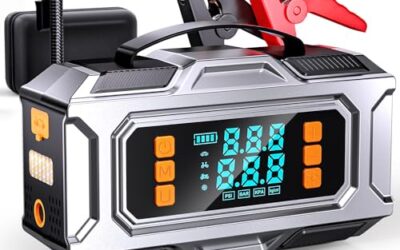
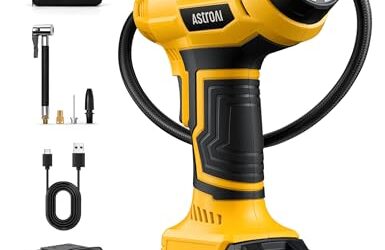
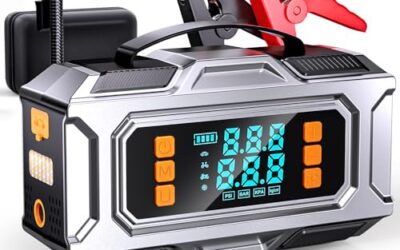
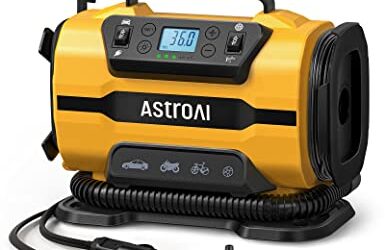
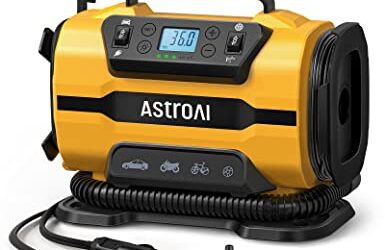
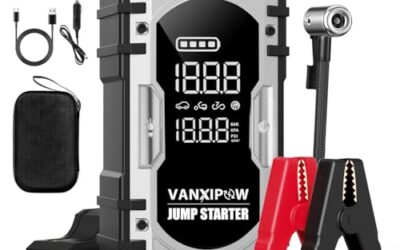
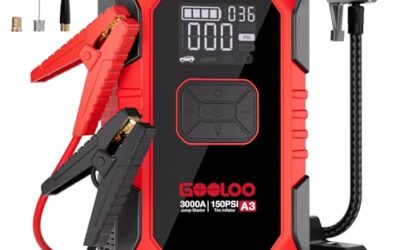
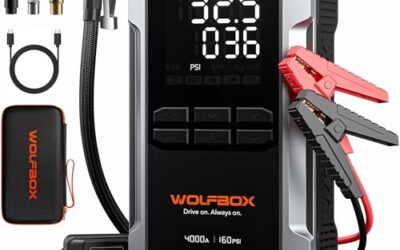
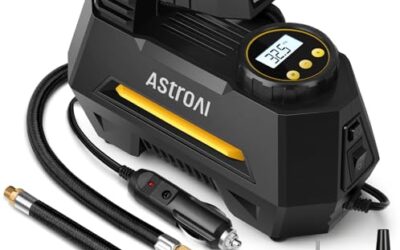
- Using a quality tire inflator can help maintain the correct PSI easily.
What Does PSI Mean for Car Tires?
PSI stands for pounds per square inch, a unit of measurement used to indicate the air pressure inside a tire. Each tire on your vehicle is designed to operate at a specific PSI range to balance safety, comfort, and efficiency. The correct PSI helps the tire maintain its shape, provides adequate cushioning, and ensures even wear across the tread.
Understanding this measurement is the first step in answering what psi should car tires be. Without proper inflation, tires can suffer from various issues including reduced fuel economy, increased stopping distances, and potential safety hazards.
How to Determine the Correct PSI for Your Vehicle
The most reliable way to find the recommended tire pressure is to consult the placard or sticker on the driver’s side door jamb. This sticker provides the exact PSI for each tire, often including adjustments for full load or spare tire. It is usually located on the door edge where it can be easily seen when the door is open.
Additionally, the owner’s manual will detail the specifications for your vehicle model and year. Some manufacturers place this information on the fuel filler door or inside the fuel cap. If you cannot find the sticker, refer to the manual or contact the manufacturer for assistance.
It’s important to note that the recommended PSI can change based on the vehicle’s model year and any modifications. For instance, vehicles equipped with heavy-duty suspensions or those used for towing may require higher pressures than standard models.
Factors Influencing Recommended Tire Pressure
Vehicle Type and Weight
The correct pressure depends on the specific vehicle, tire fitment and loading instructions. Vehicle class alone is not a reliable pressure-setting rule.
Tire Type and Size
If tire size or fitment has changed, obtain the appropriate pressure guidance from the vehicle or tire manufacturer. A larger tire does not automatically require a higher pressure.
Altitude and Climate
Falling temperature generally lowers tire pressure; rising temperature and driving generally raise it. Check pressure when the tires are cold and compare the reading with the vehicle’s specified cold pressure rather than adjusting to a universal seasonal target.
Load and Usage
For loads or towing, use the vehicle manufacturer’s applicable pressure and load instructions. Do not add an arbitrary amount of pressure or exceed the vehicle and tire load limits.
How to Check and Adjust Tire Pressure
- Check tires when cold. NHTSA describes cold tires as those on a vehicle that has not been driven for at least three hours.
- Use a reliable tire pressure gauge. Digital gauges can be convenient, but always verify with a manual one if possible.
- Remove the valve stem cap to access the valve.
- Press the gauge onto the valve stem to read the current pressure.
- Adjust using an air compressor or hand pump to the recommended PSI. Add air if below, release if above.
- Reinstall the valve stem cap to prevent dirt and moisture from entering.
Repeat the process for all four tires. It’s a good practice to check the spare tire as well if it’s mounted on the vehicle. This routine should take only a few minutes and can be done at home with basic tools.
Common Mistakes When Checking Tire Pressure
- Treating a hot pressure reading as the specified cold pressure. Recheck when cold rather than bleeding a warm tire down to a cold target.
- Using inaccurate or digital gauges that may be faulty or not calibrated properly.
- Ignoring the difference between front and rear or left and right tires, as some vehicles have different recommendations.
- Not accounting for seasonal temperature changes, which can affect pressure by several PSI.
- Overinflating to look good instead of following the manufacturer’s specs.
- Forgetting to check the pressure on the spare tire or in cold weather conditions.
Benefits of Proper Tire Pressure
Correct inflation helps tires carry the intended load and supports handling, wear and fuel economy. Use the vehicle’s specified pressure rather than relying on unsupported percentages for fuel savings or tire-life improvement.
Additionally, it helps prevent the tires from overheating, which can lead to blowouts or fires. Maintaining the right pressure also contributes to a smoother ride and better overall vehicle performance.
Common Misconceptions About Tire Pressure
One common misconception is that higher PSI is always better. In reality, overinflation can lead to a harsher ride, reduced traction, and faster wear in the center of the tread. Another myth is that all tires on a vehicle should have the same PSI, but many vehicles have different recommendations for front and rear tires.
Some owners also believe that checking tire pressure is only necessary when the tires are flat. However, regular checks help catch issues early and maintain optimal performance.
When to Seek Professional Help
If you notice signs of underinflation such as sidewall bulging, excessive wear on inner edges, or a hissing noise, have a professional inspect for leaks or damage. After hitting potholes or curbs, professional inspection is recommended to check for internal damage that may not be visible. For vehicles with complex tire pressure monitoring systems (TPMS), ensure the system is calibrated properly by a technician.
Professional help is also advised if you are unsure about the recommended PSI or if your vehicle has been modified. A mechanic can provide a thorough inspection and recommend the correct pressure for your specific setup.
FAQ
What is the best PSI for car tires?
The best PSI is the one recommended by the manufacturer for your specific vehicle model and conditions. This ensures the tires are safe and perform optimally.
How often should I check tire pressure?
Check tire pressure at least once a month and before long trips. Also check when the temperature changes significantly or after loading the vehicle.
Can tire pressure change with temperature?
Tire pressure changes with temperature, but the exact change depends on the conditions. Recheck cold pressure after weather changes and use the vehicle placard rather than a fixed temperature-to-PSI rule.
What happens if tires are underinflated?
Underinflation leads to increased rolling resistance, higher fuel consumption, faster tire wear, and reduced handling and braking performance. It can also cause overheating and blowouts, posing a significant safety risk.
Is it safe to drive with low tire pressure?
Do not assume that a low-pressure tire is safe to drive on. Stop in a safe place and check for substantial pressure loss or damage. Use the vehicle’s roadside procedure or assistance if a tire is flat, damaged or will not hold the specified pressure.
Can I use a tire inflator to adjust PSI?
Yes, a tire inflator or air compressor can be used to adjust tire pressure. However, use one with a gauge for accuracy and follow the manufacturer’s recommended PSI.
Sources and further reading
- Tire Safety (NHTSA): Federal guidance on tire pressure, tread, tire age and safety ratings.
- Keeping Your Vehicle in Shape (fueleconomy.gov): Why correct tire pressure and basic upkeep matter for fuel economy.