To check a tire valve for a slow leak, apply soapy water to the valve opening and base, then watch for bubbles that keep growing. Start with a tire pressure reading and a visual check; never remove the valve core or drive on a tire that has lost pressure below a safe level.
- Use a tire pressure gauge, soapy water, and a spray bottle or small brush.
- Check both valve opening and valve stem base; leaks can come from either area.
- Growing bubbles point to escaping air; foam that stays unchanged may be leftover suds.
- A leaking core may need replacement, while a leaking stem or wheel seal usually needs tire-shop service.
- Set pressure to vehicle placard value, not tire sidewall maximum.
What you need before testing
Gather a tire pressure gauge, clean water mixed with a little dish soap, and a spray bottle or brush. A digital or mechanical gauge can work if it fits the valve and gives a repeatable reading. For more on gauge features, see our guide to what a digital tire pressure gauge with memory stores.
Park on firm, level ground away from traffic. Set the parking brake and let the tires cool if you have just driven. Tire pressure rises as tires warm, so a recent reading may not match the cold-pressure target on the driver-door placard or in the owner’s manual. Do not use the pressure molded on the tire sidewall as the vehicle’s normal target; that figure is a tire limit, not the car’s recommended setting.
Do not test beside moving traffic, on a hot wheel, or while the vehicle rests on a jack. If the tire looks visibly flat, has a bulge, or is damaged, do not continue driving to perform a driveway test. Follow the vehicle manual and arrange safe assistance.
How to check a tire valve for a slow leak
- Check pressure first. Remove the valve cap and use a gauge. Compare the reading with the vehicle’s cold-pressure recommendation. Record the reading and tire location. A single reading cannot prove a leak, but it gives you a useful baseline.
- Inspect the valve and surrounding wheel. Look for a missing cap, dirt, corrosion, a bent stem, cracks, or visible damage. Check for a nail or other object in the tread, and look along the tire bead where tire meets rim. A valve test will not find every tire or wheel leak.
- Apply soapy water to the valve opening. Put a small amount over the center of the valve where the gauge connects. Watch for a bubble that forms and grows from the opening. Growing bubbles suggest air escaping through the valve core. Reapply once if the first layer runs off or leaves unclear foam.
- Test the stem base. Wet the area where the stem passes through the wheel. Watch the full circle around its base. Bubbles there can point to a damaged stem, a poor seal, or a problem with a tire-pressure monitoring system (TPMS) valve assembly.
- Check the rest of the tire if needed. If the valve stays dry but pressure keeps dropping, apply soapy water to tread and accessible sidewall areas, then inspect the bead. Do not crawl beneath a vehicle or put yourself in a position where a moving or falling vehicle could injure you.
- Rinse and recheck pressure. Wipe off the mixture after testing. Replace the valve cap, which helps keep dirt and moisture out, though the cap itself does not repair a leaking core. Check pressure again with the gauge.
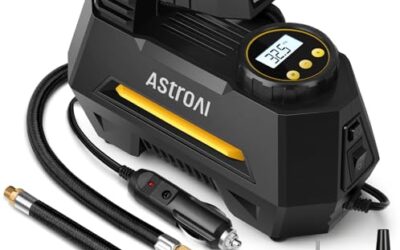
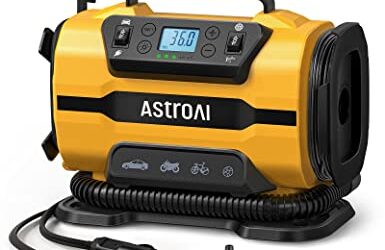
Keep the tire inflator ready only for restoring pressure to the vehicle’s recommended value, not as a fix for a leak. If you need help choosing an inflator for routine top-ups, see our guide to a 12V tire inflator with automatic shutoff. An inflator cannot make a damaged valve safe.
Read the bubbles: valve leak or another problem?
| What you see | Possible source | Next step |
|---|---|---|
| Bubbles grow at center opening | Valve core may be loose, dirty, or damaged | Have a tire shop inspect and replace the core if needed. |
| Bubbles grow around stem-to-wheel joint | Stem seal, stem, or TPMS valve assembly may leak | Arrange tire-shop service. TPMS parts may need careful handling. |
| Valve stays dry; bubbles appear on tread | Puncture or other tire damage | Have a tire professional assess repairability. |
| Bubbles appear along tire-to-wheel edge | Bead, rim, corrosion, or wheel damage may be involved | Get professional inspection. |
| No bubbles, but pressure drops over time | Leak may be intermittent, hard to see, or elsewhere | Repeat test carefully, then seek a shop diagnosis. |
Soap bubbles are a practical screening check, not a complete tire diagnosis. A very small leak may take time to show, and liquid may run away from the leak point. A valve that bubbles at its base should not be treated like a simple core issue: many newer vehicles use TPMS sensors attached to or integrated with the valve. Service procedures depend on the wheel and sensor type.
How to tell if leak is slow
Measure pressure with the same gauge under similar cold conditions, then compare readings over time. Record date, tire position, and pressure. Temperature changes can affect pressure, so compare readings taken when tires have cooled and outdoor conditions are reasonably similar. A pressure change between a warm tire reading and a cold tire reading does not, by itself, identify a leak.
Use the vehicle’s placard or manual as pressure reference. Do not inflate to a generic PSI value or sidewall maximum. If readings fall repeatedly in one tire while the other tires remain similar, a leak becomes more plausible, but gauge fit, temperature, puncture, wheel seal, and valve condition still matter. A pressure gauge with a suitable range and access can help on vehicles with unusual wheels; see our guide to pressure gauges for dually trucks.
TPMS warning lights can alert you to a pressure issue, but they do not identify whether air escapes through the valve, tread, sidewall, or bead. Use a gauge to check pressure and inspect the tire. The warning light does not replace the valve test or a shop inspection.
What to do if valve leaks
If bubbles grow only at the valve opening, a tire professional can check whether the core needs service. Valve-core tools and replacement cores exist, but the wrong part or poor handling can create a larger leak. Do not loosen or remove a core while the tire is inflated unless you have the correct tools, suitable replacement parts, and experience with that valve. A shop can identify the valve type and check for TPMS components.
If bubbles form at the stem base, the stem or its seal may need replacement. TPMS valve assemblies may require sensor-specific parts and service. The correct process can vary by vehicle model year, wheel, and sensor design. Do not force, bend, or twist a stem to see whether the leak changes.
If you find a tread puncture, sidewall damage, or bead leak, have a tire shop assess it. Repair options depend on puncture location, tire condition, and applicable repair standards. A plug or sealant may not be suitable, and tire sealant can affect later tire or TPMS service. Check your vehicle and sealant instructions before using it.
Common mistakes
- Testing only the valve opening. A leak at the stem base can be missed unless you wet and inspect the wheel joint.
- Calling every bubble a leak. Soap foam can sit on the surface. Look for bubbles that repeatedly form or grow from one spot.
- Using a warm reading as a cold baseline. Heat changes pressure readings. Record conditions and compare like with like.
- Inflating to sidewall maximum. Follow vehicle placard pressure for normal use, unless applicable vehicle instructions say otherwise.
- Assuming TPMS names the failed part. A warning reports a pressure issue, not its cause.
- Removing the cap and stopping there. A missing cap can let dirt enter, but replacing a cap does not repair a valve that leaks.
- Using sealant as a permanent repair. Sealant suitability varies and may complicate tire or sensor service.
When to get professional help
Get help if bubbles grow at the stem base, pressure keeps dropping, the tire has visible damage, or you cannot locate the leak. Seek prompt assistance if tire pressure is very low, the tire looks distorted, or the vehicle’s handling changes. Do not keep driving on a tire that may be underinflated; follow the vehicle manual and use roadside assistance when needed.
A tire shop can inspect the valve, TPMS assembly, bead, wheel, and tire together. That matters when soap testing gives no clear result, because a slow leak can come from more than one location. If the leak is at a TPMS valve, ask the shop to check sensor condition and use parts that match the vehicle system.
Gear that can help
If you need tire inflators or tire pressure gauges for this job, these picks already appear in our tire inflators guides. Check the full guide for fit and who should skip each one.

Specifications
| Color | Light Yellow |
|---|---|
| Size | Standard |
| Dimensions | 11.8 x 10.2 x 6.3 inches |
| Product Group | Automotive Parts and Accessories |
| Binding | Tools & Home Improvement |

Specifications
| Color | 1-gray |
|---|---|
| Size | 6000 (Large Capacity) |
| Dimensions | 6.5 x 2.76 x 2.17 inches |
| Weight | 1.8629061139 Pounds |
| Product Group | Automotive Parts and Accessories |
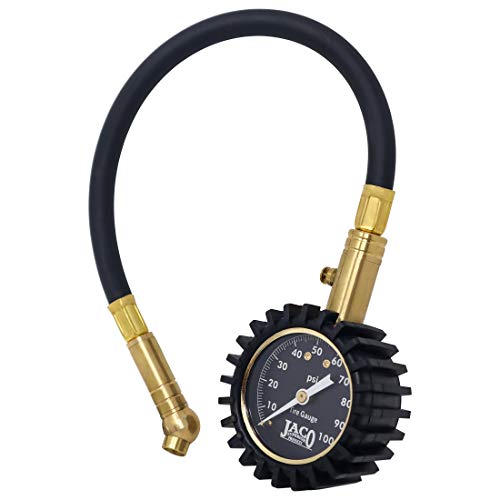
Pros
- No batteries required for pressure readings
- Solid brass construction includes a shock-resistant protective guard
- Lifetime warranty provided by JACO
- Glow dial supports reading visibility in dark conditions
Cons
- 100 PSI maximum scale limits readings above that pressure
- Source data provides no vehicle compatibility details
Specifications
| Weight | 0.35 Pounds |
|---|---|
| Product Group | Automotive Parts and Accessories |
| Binding | Misc. |
Best For / Avoid If
Best for buyers prioritizing
- No batteries required for pressure readings
- Solid brass construction includes a shock-resistant protective guard
- Lifetime warranty provided by JACO
Consider another option if
- 100 PSI maximum scale limits readings above that pressure
- Source data provides no vehicle compatibility details
FAQ
Can a valve cap stop a slow leak?
No. A cap protects the valve from dirt and moisture, but it does not seal a faulty core or damaged stem. Replace a missing cap, then test the valve itself.
Can I use dish soap to find a tire leak?
A mild dish-soap mixture can help reveal escaping air when bubbles grow from a specific spot. Rinse or wipe it away after testing, and do not treat a negative result as proof that tire has no leak.
How long should I watch for bubbles?
Watch long enough to see whether bubbles keep forming or growing. A quick burst of foam that stays the same is less useful than a bubble repeatedly appearing from one point. Small leaks may need repeated application or professional testing.
Can I drive with a slow valve leak?
Do not assume it is safe. Driving risk depends on current pressure, tire condition, load, speed, and distance. Follow vehicle instructions, check pressure, and arrange service rather than relying on repeated inflation.
Sources and further reading
- Tire Safety (NHTSA): Guidance on tire pressure, inspection, and tire safety.
- Keeping Your Vehicle in Shape (fueleconomy.gov): Vehicle maintenance information, including tire pressure checks.