How to Set Automatic Shutoff on a Tire Inflator
Automatic shutoff on a tire inflator is a feature that automatically stops the inflation process once the tire reaches the preset air pressure. This is particularly beneficial for maintaining correct tire pressure without constant monitoring. It enhances safety by reducing the risk of overinflation, which can cause tire failure.
This guide provides clear instructions on setting automatic shutoff, including how to identify compatible inflators, step-by-step procedures, and important factors to consider such as voltage compatibility and vehicle-specific recommendations. Whether you have a digital tire inflator or are considering one, understanding this feature is key to effective tire maintenance.
Key Takeaways
- Automatic shutoff stops the inflator at your chosen PSI value.
- Confirm your model supports this feature via the manual.
- Set PSI based on your vehicle’s door sticker.
- Use appropriate power source for your inflator.
- Double-check connections for best results.
What is Automatic Shutoff on a Tire Inflator?
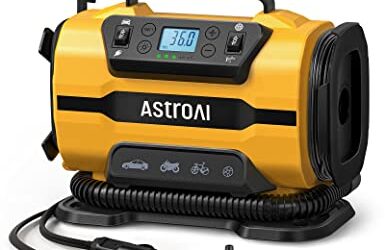
Automatic shutoff is a technology integrated into many tire inflators that detects when the air pressure inside the tire hits the set value and then deactivates the pump. This process relies on pressure sensors or electronic controls in digital models.
It differs from older analog inflators that require manual intervention. The feature applies to inflators used for car tires, motorcycle, and even larger vehicle applications, but settings must align with the specific tire type and vehicle requirements.
How Does Automatic Shutoff Work?
In operation, you set a target PSI on the device’s digital screen. When you activate the inflation, the pump begins filling the tire. As the pressure rises, the sensor monitors the current PSI. Once it matches the preset, the system cuts power to the motor or pump, halting further air entry. This ensures precise control and safety.
Some advanced models may have multiple memory slots for different PSI values, allowing quick switching between car and truck settings. Limitations include the need for a functioning pressure sensor, which can fail over time, and slight variations in accuracy between different brands.
Compatibility Considerations
Automatic shutoff is available on a wide range of tire inflators, particularly those designed for automotive use with digital interfaces. Ensure your inflator matches the vehicle’s power requirements, which are usually 12 volts DC for plug-in models or 110 volts AC for household use. Connector types vary, from standard cigarette lighter adapters to specialized hardwire kits for permanent installation.
Vehicle model year affects recommended pressures, so always refer to the specific information in your owner’s manual or on the driver’s door jamb sticker. For example, passenger cars often use 30 to 45 PSI, depending on the specific car. For crossovers or SUVs, higher pressures like 35 to 45 PSI may be advised. Always double-check against your vehicle’s specifications to ensure compatibility.
Step-by-Step Instructions to Set Automatic Shutoff
- Review your inflator’s user manual to verify that it includes a preset or auto shutoff function. This step is crucial because not all inflators offer this capability.
- Plug in the inflator to a compatible power source and turn it on using the main power switch or button.
- Use the control buttons to set your desired tire pressure. Navigate to the preset menu and input the target PSI value suitable for your tires.
- Some models require selecting a specific mode like “Auto” or “Preset” after setting the pressure.
- Securely attach the inflation hose to the tire’s valve stem, ensuring a tight seal to prevent air leaks.
- Activate the inflation process by pressing the start button. The device will begin pumping air, and upon reaching the set pressure, the automatic shutoff will engage to stop the process.
- Once complete, disconnect the hose and use a reliable external gauge to verify the final pressure in the tire.
Model-Specific Variations
Different manufacturers implement the setting process slightly differently. For instance, some require holding a button combination to access the memory function, while others have intuitive touchscreens for easier navigation. Always consult the specific instructions provided with your device to avoid confusion.
Safety Warnings
When using any tire inflator, prioritize safety by ensuring the power source matches the device requirements and that all connections are secure. Overinflation can lead to tire damage, so setting the correct pressure is essential. If your inflator shows signs of damage, discontinue use immediately.
Common Mistakes When Setting Automatic Shutoff
- Setting a pressure higher than recommended, risking tire blowout.
- Assuming all inflators have auto shutoff when they may not.
- Ignoring the vehicle’s recommended PSI and using a one-size-fits-all setting.
- Neglecting to turn off the inflator properly after use, leading to battery drain or safety issues.
- Using the device on an underinflated or damaged tire without checking first.
When to Seek Professional Help
If your tire inflator fails to activate, does not shut off at the set pressure, or shows unusual behavior, it may indicate a malfunction. In such cases, contact the manufacturer or a professional technician rather than attempting repairs. For persistent issues with tire pressure, consult a certified mechanic.
Additional Tips for Tire Inflation
Always inflate tires when they are cool to get accurate readings, as heat can increase pressure. Combine the use of automatic shutoff with regular maintenance checks to ensure long-term tire health. Understanding these practices helps maximize the benefits of your tire inflator.
Understanding Recommended Tire Pressures
Tire pressure recommendations vary by vehicle make, model, and model year. They are usually found on a sticker on the driver’s side door jamb or in the glove compartment. These values are crucial for proper handling, fuel efficiency, and safety. When setting automatic shutoff, input this exact value to achieve optimal results.
For passenger vehicles, pressures commonly range from 30 to 42 PSI, depending on the specific car. For crossovers or SUVs, higher pressures like 35 to 45 PSI may be advised. Always double-check against your vehicle’s specifications to ensure compatibility.
Choosing Between Digital and Analog Inflators
Digital inflators with automatic shutoff offer greater precision and ease of use. They provide real-time pressure readings and preset options. Analog models, while simpler, require manual adjustment and constant attention to the gauge, making automatic shutoff less relevant or absent.
Manual vs Automatic Shutoff Comparison
| Aspect | Manual Shutoff | Automatic Shutoff |
|---|---|---|
| Operation | Watch gauge and stop manually | Set PSI and let device handle |
| Convenience | Lower | Higher |
| Safety | May overinflate if not watched | Reduces risk of overinflation |
| Best For | Simple setups | Regular use |
This comparison helps users decide on the best approach for their needs.
FAQ
What tire inflators support automatic shutoff?
Most digital tire inflators with preset functions support it.
How does automatic shutoff differ from manual shutoff?
Manual requires constant monitoring, while auto shuts off automatically at set pressure.
Can I set different pressures for different tires?
Yes, many allow storing multiple presets.
What if my inflator doesn’t have auto shutoff?
Use a separate pressure gauge and stop manually.
Is automatic shutoff safe?
Yes, when set correctly, it prevents overinflation.
For safe results, follow the inflator manual and verify the final pressure with a separate gauge before driving.