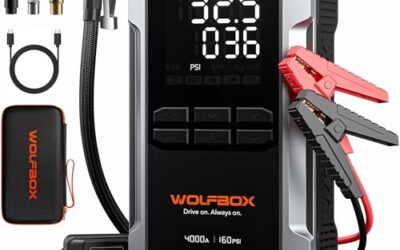
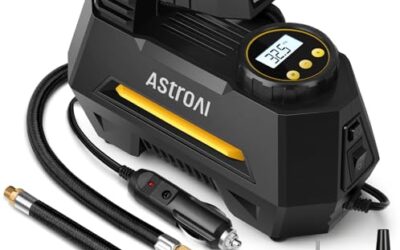
Maintaining a portable tire inflator is essential for ensuring it remains reliable and safe for use. This device is a valuable tool for quick tire inflation, but like any equipment, it requires regular care to function properly. In this guide, we will cover the step-by-step process to maintain your portable tire inflator, including cleaning, inspection, and storage tips. By following these guidelines, you can extend the life of your device and avoid unexpected failures on the road.
Whether you are dealing with a low tire pressure warning or preparing for a long trip, a well-maintained inflator will perform consistently. Let’s dive into the details of how to keep your portable tire inflator in top condition.
Key Takeaways
- Regular cleaning prevents dirt and debris from affecting performance.
- Inspect hoses and nozzles for signs of wear and tear.
- Maintain battery health to ensure consistent power delivery.
- Store the inflator in a dry, cool place to prolong battery life.
- Check compatibility with your vehicle’s electrical system.
Understanding Portable Tire Inflators
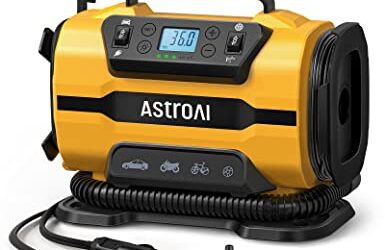
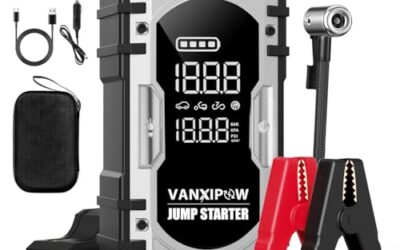
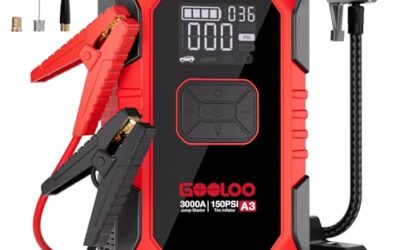
A portable tire inflator is a compact air pump designed for inflating tires on the go. It typically operates on battery power, either rechargeable or from a 12-volt vehicle outlet. These devices are popular for their convenience in filling tires for cars, motorcycles, bicycles, and even larger vehicles like RVs or trucks.
They come in various types: electric models with built-in batteries, 12V models that plug into your car’s cigarette lighter, and manual versions that use a foot pump or hand lever. Understanding the basics helps in proper maintenance.
Compatibility is key: Most portable inflators are designed for 12V DC systems, but some are universal. Always verify the voltage rating to avoid damage. For example, using a 12V inflator on a 24V system could cause issues. Additionally, some models may have specific connector types like USB or specific cigarette lighter plugs, so ensure your vehicle matches.
Why Maintenance Matters
Regular maintenance of your portable tire inflator ensures safety, reliability, and longevity. A neglected inflator can lead to inaccurate readings, slow inflation, or complete failure. Moreover, safety is paramount; an unreliable device might not inflate tires properly, leading to blowouts or accidents.
By maintaining it, you also save money on replacements. Over time, wear and tear can make it less effective, but with proper care, it can last years. This is especially important in regions with varying road conditions or extreme weather, where equipment reliability can make a difference.
Essential Tools for Maintenance
To perform maintenance, you will need a few basic items:
- A soft, lint-free cloth for wiping surfaces
- Mild soap and water for cleaning
- Compressed air for blowing out debris
- A multimeter for checking battery voltage
- Isopropyl alcohol for disinfecting
Note that these are general suggestions; always refer to your specific model’s manual for tailored advice. The exact tools may vary based on the type of inflator you have, whether it is a 12V model or a battery-powered one.
Step-by-Step Maintenance Guide
Cleaning the Exterior
Start by wiping down the exterior of the inflator with a damp cloth. Use mild soap if necessary to remove dirt, oil, or grime. Avoid submerging the device in water, as it can damage internal components. Dry it thoroughly with a clean towel.
Focus on the handle, body, and any display screens. Clean the screen if it is a digital model to ensure accurate readings. This step is crucial because dirt can interfere with buttons and controls.
Cleaning the Interior and Hoses
Remove the hose if possible and clean it separately. Use compressed air to blow out any dust or particles from the nozzle and hose. For stubborn dirt, use a soft brush. Be gentle to avoid damaging the internal tubing.
If your model has a filter, clean or replace it as per instructions. Filters trap particles that can damage the pump over time. This is particularly important if the inflator is used in dusty environments like construction sites or rural areas.
Inspecting for Damage and Wear
Examine the hose for cracks, leaks, or bulges. Check the nozzles for bends or damage. Inspect the battery compartment for corrosion. Look for loose connections or frayed wires.
If you notice any issues, discontinue use until repaired or replaced. This inspection should be done regularly to catch problems early and prevent safety hazards.
Maintaining the Battery
Battery care is critical for portable inflators. Recharge it fully after each use. Store it at 50 percent charge if not using for long periods to prevent deep discharge. Avoid leaving it in extreme heat or cold.
Check the battery voltage periodically. A healthy battery should read around 12V when fully charged. If it drops below 10V quickly, it may need replacement. Some models have removable batteries; ensure proper charging without overcharging.
Calibrating and Testing
After cleaning, test the inflator by inflating a tire to the recommended PSI. Compare the gauge reading with a known accurate gauge if possible. Adjust if necessary, though most have fixed calibration.
Run a test cycle to ensure the pump works smoothly without overheating. This testing phase helps verify that all components are functioning correctly.
Maintenance Schedule
Here is a simple schedule to follow:
| Task | Frequency | Details |
|---|---|---|
| Clean exterior | After each use | Wipe with damp cloth |
| Inspect hoses | Monthly | Check for cracks and leaks |
| Check battery | Weekly | Monitor charge level |
| Deep clean | Quarterly | Remove and clean internal parts |
| Store properly | After use | Dry and charge to 50 percent |
This schedule helps maintain optimal performance and prevents common issues from developing.
Battery Care and Replacement
The battery is a key component of any portable tire inflator. Rechargeable batteries should be charged using the provided charger. Avoid using fast chargers unless specified by the manufacturer. Over time, repeated charging and discharging can reduce battery life.
If the battery no longer holds charge, it may be time to replace it. Look for compatible replacement batteries that match the voltage and capacity. Always follow safety guidelines when handling batteries to prevent fire hazards.
Hose and Nozzle Replacement
If hoses crack, replace them with OEM parts. Nozzles can wear out and affect inflation accuracy. Using aftermarket parts may not fit properly or perform as expected.
Always use high-quality replacements to maintain performance. Consider the type of tire you inflate, as some nozzles are specific to certain valve types like Schrader or Presta.
Storage Tips
Store in a dry place away from direct sunlight. Keep away from moisture and extreme temperatures. This helps preserve the battery and prevents corrosion.
Keep it in its original case if provided for protection. Avoid stacking heavy items on top of it to prevent damage to the pump.
Troubleshooting Common Issues
Problem: Device won’t turn on.
Cause: Dead battery or faulty switch.
Solution: Recharge the battery or check the power switch. If it persists, the device may need repair.
Problem: Slow inflation or inaccurate pressure reading.
Cause: Clogged filter or dirty pump.
Solution: Clean the interior as per the guide. Replace the filter if necessary.
Problem: Leaking air from the hose.
Cause: Damaged hose or loose connection.
Solution: Inspect and replace the hose. Do not use tape or makeshift fixes.
Common Mistakes to Avoid
One common mistake is ignoring the need for regular cleaning, leading to clogged filters or dirty pumps. Another is neglecting battery maintenance, resulting in sudden failures.
Using the inflator without checking compatibility can cause electrical issues. Also, overinflating tires without monitoring pressure is dangerous.
Storing the device in a hot environment can degrade the battery. Always store in a cool, dry place. Another mistake is not replacing worn parts promptly, which can lead to further damage.
When to Get Professional Help
If your inflator is not inflating properly, leaking air, or the battery will not charge, it may need professional repair. Look for signs like unusual noises, excessive heat, or inaccurate gauge readings.
Replace the device if it is old, damaged beyond repair, or no longer meets safety standards. Consider the age and usage history. Professional help can ensure the repair is done correctly and safely.
FAQ
How often should I maintain my portable tire inflator?
Perform basic cleaning after each use and inspect monthly. Deep cleaning every three months is recommended. This frequency can vary based on usage and environment.
Can I use a portable tire inflator with different vehicle voltages?
Most are designed for 12V systems. Using on other voltages can damage the device. Always check the specifications and consult the manual for compatibility.
What should I do if the inflator leaks?
Stop using it immediately. Check the hose and connections for damage. Repair or replace as needed. Continuing to use a leaking inflator can be unsafe.
How do I clean the air filter?
Remove the filter and rinse with water or use compressed air. Ensure it is dry before reinstalling. This prevents buildup that can reduce efficiency.
Is it safe to use in extreme temperatures?
Yes, but ensure the battery is rated for the temperature. Avoid using in very cold conditions if the device is not designed for it. Extreme temperatures can affect battery performance and device functionality.
Additional tips: Always follow the manufacturer’s instructions for your specific model. If in doubt, consult the manual or a professional mechanic. Proper maintenance not only extends the life of the inflator but also ensures your safety on every trip.