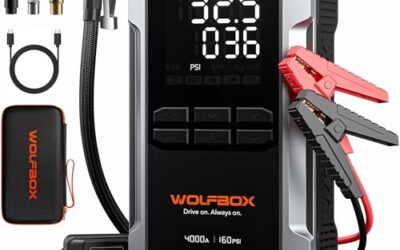
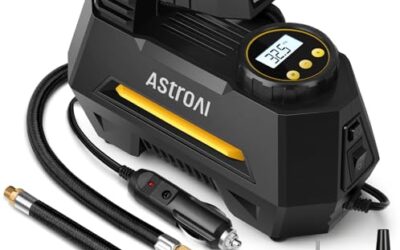
Yes, you can inflate a run flat tire with a portable inflator if tire and wheel are intact and inflator can reach vehicle’s specified pressure. Adding air does not repair puncture or prove tire is safe; if tire has been driven while deflated, follow vehicle and tire maker instructions before driving again.
- Run-flat construction may let a tire support vehicle for a limited distance after pressure loss, but limits vary by tire and vehicle.
- A portable inflator can restore pressure in some cases. It cannot seal a puncture or reverse damage from driving on a flat.
- Use pressure on driver-door placard or vehicle manual, not tire sidewall maximum.
- Stop if tire looks damaged, will not hold air, or vehicle manual says not to reinflate or continue driving.
Can you inflate a run flat tire with a portable inflator?
Usually, yes. A run-flat tire uses a construction that can support the vehicle for a limited period after pressure drops. Many use reinforced sidewalls, while some systems use a support ring inside the tire. That construction does not prevent inflation. A suitable portable inflator can add air through the tire’s valve in the usual way.
Whether adding air makes the car safe to drive is a separate question. An inflator can put air into a tire with a small puncture, but the leak may continue. It cannot show whether the tire’s internal structure has been damaged or whether a puncture is repairable.
Run-flat distance and speed limits vary. They depend on the tire, vehicle, load, road conditions, and how far the tire traveled without pressure. Check the owner’s manual and tire maker instructions for your specific setup. Do not treat a run-flat rating as permission to drive indefinitely with low or zero pressure.
When should you inflate a run-flat tire?
Inflation may be reasonable when tire appears intact and you need to correct low pressure, such as after a small pressure loss. It may also help you assess whether a tire holds air while the vehicle is parked in a safe location. But pressure recovery alone does not confirm the tire is safe for normal driving.
If TPMS warning appeared while driving, pull over somewhere safe and check the tire and vehicle instructions. A tire that looks normal may still have low pressure. Run-flat sidewalls can make pressure loss less obvious than it is on a conventional tire.
If tire was driven while flat or severely underinflated, contact roadside assistance, tire shop, or vehicle dealer before continuing. Internal damage may not be visible from outside. Some vehicle makers require inspection or replacement after run-flat operation, even if tire accepts air again.
Will any portable inflator work?
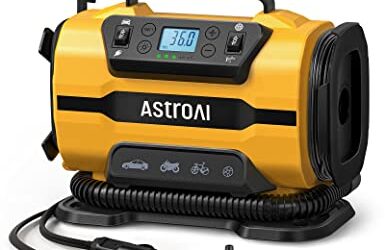
Not necessarily. Inflator must connect to tire valve and have a pressure range that reaches vehicle’s specified cold inflation pressure. Check its power source too: a 12-volt plug-in inflator needs a compatible vehicle outlet, while a battery-powered unit needs a charged battery. Outlet location, fuse rating, connector type, and vehicle model year can affect use.
Inflators also differ in run time and cooling needs. A small unit may need a break between tires or after extended use. Follow inflator manual, especially if tire is very low or larger than a typical passenger-car tire. Do not assume every portable pump can fill a deflated tire quickly or operate continuously.
For a step-by-step look at common 12-volt pump features, see our guide to 12V tire inflators with automatic shutoff. Automatic shutoff helps stop inflation near a selected setting, but gauge accuracy and setup still matter.
How to use a portable inflator on a run-flat tire
- Park safely. Move away from traffic if possible, set the parking brake, and follow the owner’s manual. Do not work beside moving traffic if a safer option is available.
- Check the tire. Look for a cut, bulge, exposed cord, separated tread, damaged wheel, or object lodged in the tread. Do not pull out an embedded object. If damage is visible or tire has come off the wheel bead, stop and get help.
- Find the target pressure. Use the vehicle’s door placard or owner’s manual. The number on tire sidewall is generally a maximum pressure marking, not the vehicle’s recommended operating pressure.
- Check inflator fit and power. Attach its hose to the valve and connect the power source as its manual directs. Keep cable and hose clear of hot parts and moving components.
- Inflate in short checks. Add air while watching the pressure gauge. Stop at vehicle-specified pressure. If pressure does not rise, drops quickly, or inflator overheats, stop and seek assistance.
- Recheck pressure. Use a reliable gauge if available. Tire pressure changes with temperature, so follow vehicle guidance for checking cold pressure when practical. A gauge with memory can help track readings; see our explanation of what digital tire gauges with memory store.
- Decide whether to move the vehicle. If tire had significant pressure loss, was driven while flat, or continues losing air, do not resume a normal trip. Use the vehicle maker’s run-flat guidance and arrange professional inspection or roadside help.
What pressure should you use?
Use the cold tire pressure listed on the vehicle placard or in its manual. The correct number can differ by vehicle, tire size, front versus rear axle, load, and model year. Some vehicles specify different pressures for different operating conditions.
Do not inflate to the sidewall maximum just because it is printed on the tire. That marking does not replace the vehicle’s recommended pressure. If tire is hot from driving, readings may be higher than cold readings; follow the vehicle manual rather than bleeding air to chase a cold-pressure number immediately.
Portable inflator gauges may not match a separate pressure gauge exactly. If readings disagree, stop and use a dependable gauge, then follow the vehicle specification. Our guide to tire pressure checks in cold weather explains why temperature affects readings.
What a portable inflator cannot do
- It cannot repair a puncture. Air may escape again as soon as the pump stops. A puncture’s size and location affect repair options, and tire maker guidance applies.
- It cannot inspect internal damage. Running underinflated can damage tire structure, even when the outside looks acceptable.
- It cannot reset every warning automatically. TPMS behavior varies by vehicle. The warning may take time to update, or it may point to another tire or system issue. Follow the manual’s reset and relearn instructions.
- It cannot replace vehicle-specific run-flat limits. Tire pressure, permitted speed, remaining distance, and load guidance are not universal.
Some tire mobility kits combine a compressor with sealant. These differ from a plain inflator: sealant can affect later tire inspection and repair, and some tire makers or vehicles restrict its use. Use only the kit and procedure approved for the vehicle and tire.
Common mistakes
- Assuming run-flat means damage-proof. Reinforced construction can support limited operation after pressure loss, but it does not prevent punctures or structural damage.
- Driving because tire looks normal. Run-flat sidewalls may hide how low pressure has become. Check pressure and heed TPMS warnings.
- Using sidewall maximum as target. Set pressure from vehicle placard or manual.
- Trusting a brief pressure increase. A leaking tire may accept air and then lose it again. Recheck pressure and do not use inflation as a repair.
- Overworking a small pump. Follow its duty-cycle and cooling directions. Stop if it becomes unusually hot or will not maintain pressure.
- Ignoring run-flat operation history. A tire driven while deflated may need inspection even after pressure returns.
When to get professional help
Call roadside assistance or a tire professional if tire has a bulge, sidewall cut, exposed cords, damaged wheel, bead separation, rapid air loss, or pressure that will not rise. Get help if vehicle manual’s run-flat distance or speed limit has been reached, or if you do not know how far the tire traveled underinflated.
Professional inspection is also the safer choice after a run-flat tire has carried the vehicle with little or no pressure. Internal damage can be hidden. Do not crawl beneath a vehicle or attempt roadside wheel work unless you have the right equipment and can follow the vehicle’s approved procedure.
Gear that can help
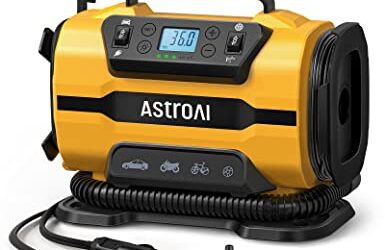
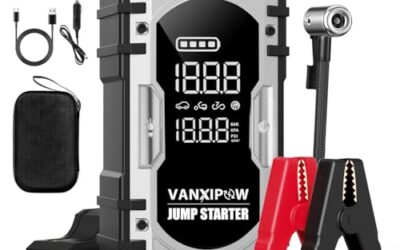
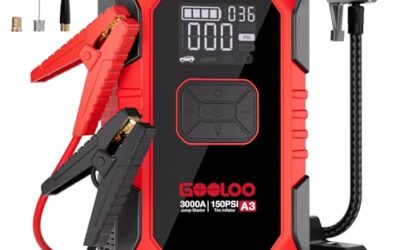
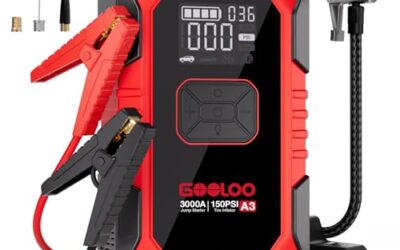
If you need tire inflators or tire pressure gauges for this job, these picks already appear in our tire inflators guides. Check the full guide for fit and who should skip each one.
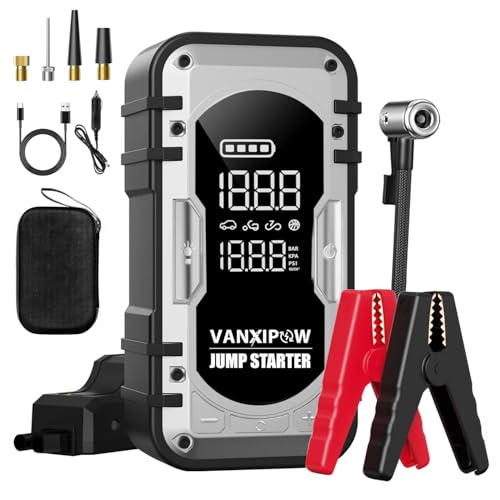
Pros
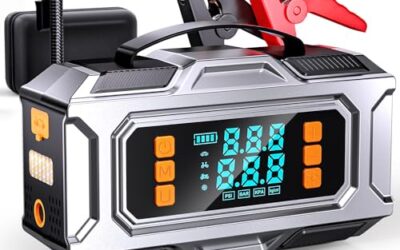
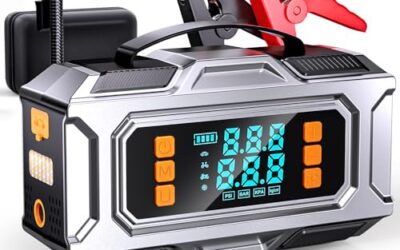
- Combines jump-starting, tire inflation, emergency lighting, and USB charging in one device
- Listed compatibility covers a broad range of 12V vehicles and engines up to 9.0L gas or 8.0L diesel
- Stated weight of 615 grams supports portable use
- LCD screen displays battery level, inflation mode, and real-time tire pressure
Cons
- The air pump should not be used continuously and requires cooling when it becomes seriously hot
- The product has one USB output port
Specifications
| Color | black silver |
|---|---|
| Dimensions | 6.9 x 2.3 x 3.5 Inches |
| Weight | 1.873929227 pounds |
| Product Group | Automotive Parts and Accessories |
Best For / Avoid If
Best for buyers prioritizing
- Combines jump-starting, tire inflation, emergency lighting, and USB charging in one device
- Listed compatibility covers a broad range of 12V vehicles and engines up to 9.0L gas or 8.0L diesel
- Stated weight of 615 grams supports portable use
Consider another option if
- The air pump should not be used continuously and requires cooling when it becomes seriously hot
- The product has one USB output port

Specifications
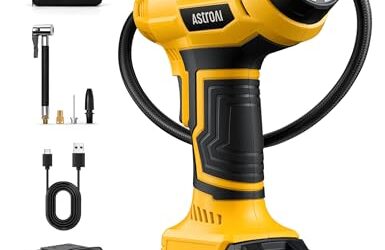
| Color | Yellow |
|---|---|
| Size | Large |
| Dimensions | 8.27 x 3.74 x 6.69 Inches |
| Weight | 650 Grams |
| Product Group | Automotive Parts and Accessories |
| Binding | Tools & Home Improvement |

Pros
- 0-75 PSI measurement range
- ANSI B40.1 Grade A calibration specification
- Glow dial and 360-degree swivel chuck support low-light and angled use
- Listed for multiple vehicle and bike types
Cons
- Measurement range ends at 75 PSI
- Product binding is listed as Unknown Binding
Specifications
| Color | Black |
|---|---|
| Dimensions | 4.7637795227 x 2.8346456664 x 1.3779527545 inches |
| Weight | 0.6283174467 pounds |
| Product Group | Automotive Parts and Accessories |
| Binding | Unknown Binding |
Best For / Avoid If
Best for buyers prioritizing
- 0-75 PSI measurement range
- ANSI B40.1 Grade A calibration specification
- Glow dial and 360-degree swivel chuck support low-light and angled use
Consider another option if
- Measurement range ends at 75 PSI
- Product binding is listed as Unknown Binding
FAQ
Can I drive after inflating a run-flat tire?
Only if tire and vehicle instructions permit it and tire is not damaged or continuing to lose air. A tire driven while flat may need inspection before further use. Inflation alone does not establish safety.
Can a portable inflator fix a punctured run-flat tire?
No. It adds air but does not repair puncture. A leak may quickly lower pressure again, and repair eligibility depends on damage location and tire maker rules.
Can I use a regular tire gauge on a run-flat?
Yes, a compatible tire pressure gauge can measure pressure at the valve. Use vehicle-specified pressure and check the tire in the conditions described by the vehicle manual.
Does TPMS tell me whether a run-flat tire is safe?
No. TPMS can warn of pressure loss, but it does not inspect internal tire damage. The warning’s behavior and reset procedure vary by vehicle model and year.
Sources and further reading
- Tire Safety (NHTSA): Guidance on tire condition, pressure, and safe tire care.
- Keeping Your Vehicle in Shape (fueleconomy.gov): Maintenance information, including tire pressure checks.