Tire Inflator vs Air Compressor
Tire inflators and air compressors are both tools used to add air to vehicle tires, but they serve different purposes and have distinct characteristics. A tire inflator is a portable device designed for inflating tires while traveling or in emergencies, whereas an air compressor is typically a larger unit meant for more frequent or higher-volume inflation tasks. Understanding the differences helps you choose the appropriate tool based on your needs, vehicle type, and usage frequency.
Key Takeaways
- Tire inflators are ideal for portability and on-the-go use.
- Air compressors offer greater power and volume for home or garage use.
- Consider your vehicle’s tire size, voltage requirements, and how often you’ll use the tool.
- Both can be used for various vehicles, but compatibility with 12V systems is common for inflators.
What is a Tire Inflator?
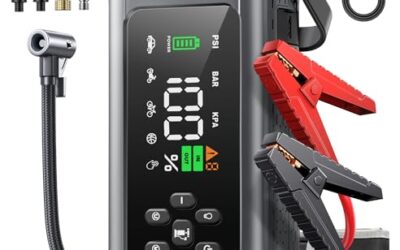
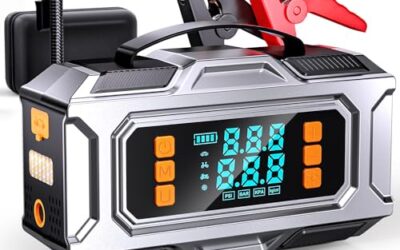
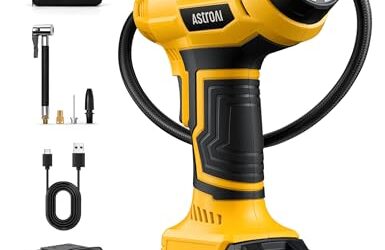
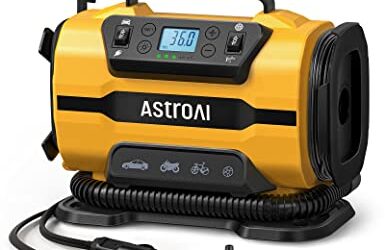
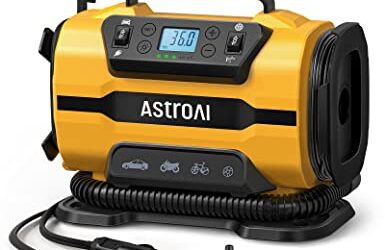
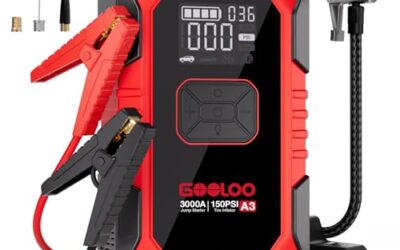
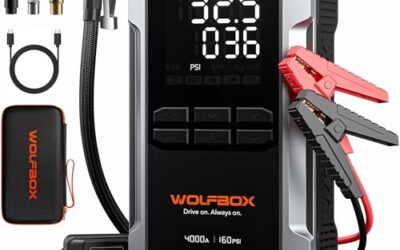
A tire inflator is a compact, handheld or small device that uses a small electric pump to inflate tires. It typically includes a digital gauge for precise pressure readings, a hose or nozzle for attaching to the tire valve stem, and often runs on batteries or connects to a vehicle’s 12-volt outlet. These devices are popular for their ease of use and lack of need for external power sources like electricity or air lines.
They are particularly useful for drivers who travel frequently, live in areas with limited access to air pumps, or need to quickly adjust tire pressure after a flat or for seasonal changes. Tire inflators can handle most passenger car tires, but for larger vehicles like trucks or RVs, you may need a model with higher capacity.
How Does a Tire Inflator Work?
Tire inflators work by drawing air from the atmosphere through a filter and compressing it using a piston or diaphragm pump powered by a battery or 12V DC. The compressed air is then directed through a hose to the tire valve. Many models have auto shut-off features to prevent overinflation and built-in pressure settings for common tire pressures, such as 35 PSI for cars.
They are generally limited to inflating a few tires at a time due to their small size and lower output volume, typically around 1-2 CFM (cubic feet per minute). This makes them suitable for quick jobs but not for filling large volumes of air. Tire inflators are designed for occasional use and do not require a permanent installation, making them versatile for different scenarios.
What is an Air Compressor?
An air compressor is a more powerful device that can inflate multiple tires or larger ones efficiently. It can be a standalone unit with a hose and tank, or integrated into a vehicle’s air system. These are often used in auto shops, garages, or by enthusiasts who maintain multiple vehicles.
Air compressors can provide higher pressure and volume, making them better for inflating large tires on trucks, trailers, or even for powering air tools like nail guns. They usually require a 120-volt outlet or connection to a vehicle’s air system via a 1/4-inch or 3/8-inch quick connect fitting. Air compressors are built for durability and continuous operation, often with built-in tanks to maintain steady pressure during use.
How Does an Air Compressor Work?
Air compressors use an electric motor to drive a piston or rotary screw mechanism that compresses air. The air is stored in a tank for steady pressure and released through a regulator and gauge to the tire. Some models are designed for tire inflation specifically, while others are general-purpose compressors. The process involves intake of ambient air, compression through mechanical action, cooling via fins or oil, and delivery to the output port.
They can achieve pressures up to 200 PSI or more and have much higher CFM ratings, allowing them to fill a tire in minutes rather than the 5-10 minutes typical for inflators. Air compressors are essential for applications requiring high volume, such as filling multiple tires quickly or maintaining large equipment.
Tire Inflator vs Air Compressor: Practical Differences
The main practical difference lies in their design and intended use. Tire inflators prioritize portability and simplicity for occasional use, while air compressors focus on power and capacity for regular or heavy-duty applications. Tire inflators are smaller and lighter, fitting easily in a trunk or glovebox, whereas air compressors take up more space and may need to be stored in a workshop.
Power sources also differ significantly. Tire inflators typically draw from a vehicle’s 12V system or rechargeable batteries, making them suitable for mobile use without needing household electricity. Air compressors often plug into standard 120V outlets but can sometimes connect to vehicle air systems. This affects their convenience in different environments.
Inflation volume is another key distinction. Tire inflators have lower output, suitable for a handful of tires, while air compressors can handle dozens of tires or larger volumes in less time. Pressure capabilities vary too, with inflators usually capped at 150 PSI and compressors reaching higher levels for demanding tasks.
| Feature | Tire Inflator | Air Compressor |
|---|---|---|
| Portability | High – compact and lightweight | Low – larger and heavier |
| Power Source | Battery or 12V vehicle outlet | 120V household or vehicle air system |
| Inflation Volume | Low – 1-2 tires at a time | High – multiple tires or large volumes |
| Pressure Capability | Up to 150 PSI | Up to 200+ PSI |
| Cost | $20 – $100 | $50 – $300 |
| Best For | Road trips, emergencies, occasional use | Home garage, frequent maintenance, larger vehicles |
How to Choose Between a Tire Inflator and Air Compressor
When deciding between the two, consider your specific needs. If you frequently travel or live in remote areas, a tire inflator is more practical due to its portability. For someone who inflates tires regularly at home, an air compressor might be more efficient and cost-effective in the long run. Evaluate your storage space and whether you need to move the tool frequently.
Vehicle compatibility is important: Most tire inflators work with 12V systems common in cars, trucks, and SUVs. Ensure the inflator’s voltage matches your vehicle’s electrical system to avoid damage. For air compressors, check if your vehicle has an air system or if you need a dedicated unit. Also, consider the tire size – larger tires require more air volume, so a compressor may be better. Regional factors like local air quality or regulations may influence your choice as well.
Decision Tree for Selection
- Determine usage frequency: Occasional? Go portable.
- Check vehicle type: Passenger car? Inflator sufficient.
- Evaluate space: Limited storage? Choose inflator.
- Budget: Consider long-term use and potential savings.
- Consider vehicle specifics: Larger tires or frequent use? Opt for compressor.
Safety Considerations
Always follow the manufacturer’s instructions for both devices. Never exceed the recommended tire pressure, as overinflation can lead to tire failure. Use caution when connecting to the valve stem to avoid damaging the stem or causing air leaks. For tire inflators, ensure the battery is fully charged or the 12V connection is secure. Air compressors should be used on a stable surface and away from flammable materials. Proper ventilation is key when using any compressor to disperse heat and fumes.
Common Mistakes
One common mistake is assuming a tire inflator can replace a full air compressor for all tasks. While convenient, it may not handle the volume needed for large trucks. Another is ignoring the need for regular maintenance, such as cleaning filters on inflators or checking air lines on compressors. Users may also forget to account for temperature effects on tire pressure, leading to under or overinflation. Failing to calibrate the gauge before use can result in inaccurate readings and improper tire maintenance.
When to Get Professional Help
If you are unsure about the correct tire pressure for your vehicle or experience issues with your air system, consult a professional mechanic. For complex problems like diagnosing why a tire won’t hold air, a shop can provide expert diagnosis. Additionally, if your vehicle is under warranty or has safety-related issues, professional service is recommended over DIY tools. When dealing with high-pressure systems or unfamiliar equipment, seeking expert advice prevents potential damage or accidents.
FAQ
What is the difference between a tire inflator and an air compressor?
Tire inflators are portable and battery-powered for quick, on-the-go use, while air compressors are more powerful and typically used in fixed locations for higher volume inflation.
Can I use a tire inflator for car tires?
Yes, most tire inflators are designed for passenger car tires, but verify the maximum PSI and volume for your specific model and vehicle.
How do I maintain my tire inflator?
Regularly clean the filter, check battery life, and store in a dry place to ensure longevity.
Is an air compressor necessary for home use?
Not always, but it is useful for frequent tire maintenance and larger vehicles.
What voltage should I look for?
Look for 12V DC for inflators compatible with vehicles, or 120V for household compressors.
Are there compatibility limits with different vehicle models?
Yes, tire inflators may have limits based on vehicle electrical systems and tire sizes, while air compressors depend on available air outlets or power sources. Always check manufacturer specs for your specific year and model.