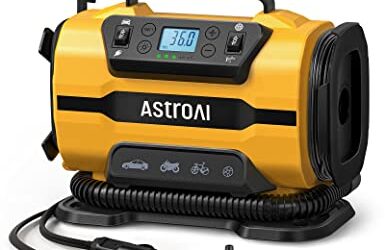
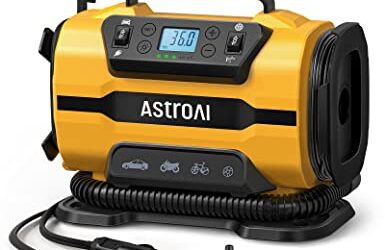
Yes, you can use a tire inflator while the car is running. The vehicle’s alternator generates electricity to power the 12-volt outlet, allowing the inflator to operate without solely relying on the battery. This is particularly handy for addressing low tire pressure during travel or when you notice a slow leak. However, it’s crucial to verify that your inflator is compatible with the vehicle’s power system and to adhere to safety protocols to prevent any electrical complications.
Key takeaways
- The car’s running alternator supplies power to the inflator through the 12-volt outlet.
- Compatibility with 12-volt systems is standard in most US vehicles.
- Monitor battery voltage to maintain stability.
- Some inflators have features like auto shut-off for safety.
- Always check your vehicle’s manual for specific guidelines.
Understanding the Power Dynamics in Vehicles
When the car is off, the battery is the sole source of power for electrical components, including a tire inflator. However, once the engine starts and the car is running, the alternator steps in to charge the battery and provide additional power. This means that using a tire inflator while the car is running is generally safe because the alternator can handle the load without draining the battery significantly.
The alternator is a key component in the vehicle’s electrical system. It is belt-driven by the engine and converts mechanical energy into electrical energy. Typical output is around 13.5 to 14.5 volts, which is regulated to keep the battery charged. When an inflator is plugged into the 12-volt socket, it receives this power, allowing it to function efficiently. This setup is why many drivers use portable inflators during road trips without worrying about starting the car separately just for inflation.
Furthermore, the interaction between the battery and alternator is managed by the vehicle’s voltage regulator. This component ensures that the voltage remains constant, protecting sensitive electronics from fluctuations. When using an inflator, the additional load is absorbed by the alternator, which increases its output as needed. This is why it’s safe to use such devices while the engine is running.
It’s worth noting that the power draw of the inflator is usually low, typically between 5 to 10 amps for most models. This is well within the capacity of the alternator, which can output hundreds of amps if needed. However, in vehicles with sensitive electronics, such as those with advanced driver assistance systems, there might be slight voltage fluctuations, but these are usually minimal. Prolonged use while the car is running does not significantly impact fuel efficiency for short periods, as the engine is already operating.
Compatibility Considerations Across Vehicle Models
Compatibility is vital when considering whether to use a tire inflator while the car is running. In the United States, the vast majority of vehicles from the late 20th century onward utilize a 12-volt electrical system. This includes a wide range of models such as sedans, SUVs, pickup trucks, and even many crossovers. The 12-volt outlet, often located near the driver’s seat or in the center console, is designed to provide power for accessories.
However, there are some limitations to consider. Older vehicles might have cigarette lighter sockets that are not always fused or have lower amperage ratings, potentially leading to overheating if the inflator draws too much power. Newer vehicles often have hardwired outlets with higher capacity and better protection. Always refer to your vehicle’s owner’s manual to understand the specifications of the 12-volt outlet, including maximum current draw and whether it’s ignition-switched or always-on.
Additionally, some vehicles, particularly those equipped with start-stop technology, may have specific power management systems that prioritize battery conservation. In these cases, using an inflator while the car is running is still possible, but it might be advisable to keep the engine at a higher RPM to ensure the alternator is actively charging. For hybrid and electric vehicles, the situation is similar but with an auxiliary 12-volt battery, so compatibility should be confirmed with the manufacturer.
Regional factors also come into play. While this article focuses on US vehicles, it’s important to note that voltage standards can vary globally. In some countries, vehicles may use 24-volt systems, which would require different equipment. Stick to 12-volt inflators designed for North American vehicles to avoid compatibility issues. For vehicles manufactured before 1990, the 12-volt system was less standardized, so compatibility should be verified carefully.
Safety Precautions and Best Practices
Safety is paramount when using a tire inflator while the car is running. First and foremost, ensure that the inflator is compatible with 12 volts and has the correct plug type to fit your vehicle’s outlet. Using an incompatible device can lead to electrical shorts, overheating, or even fire hazards. Always inspect the inflator for any signs of damage before use.
Another important precaution is to never leave the vehicle unattended while the inflator is connected. The car could move, or other hazards might arise. Also, monitor the battery voltage regularly. If it drops below a safe level, such as 12.6 volts, it could indicate a problem with the alternator or charging system, though the running engine should prevent this in normal conditions.
Consider the environment: Inflate tires in a well-ventilated area to avoid any potential fumes. Keep the area clear of flammable materials, especially near the engine bay if the car is running. Some inflators produce a slight hum or vibration, so ensure they are placed securely to avoid interference with driving controls.
Finally, if your inflator has a digital display or pressure sensor, use it to avoid over-inflating tires, which can lead to blowouts or reduced tire life. Always inflate to the manufacturer’s recommended PSI, which is usually found on the driver’s door jamb sticker. It is also wise to have a spare fuse on hand in case the outlet trips due to overload.
Step-by-Step Instructions for Safe Use
Using a tire inflator while the car is running is straightforward with the right precautions. Follow these steps to ensure a safe and effective process:
- Park your vehicle in a safe, level area away from traffic and obstacles. Engage the parking brake and place the vehicle in park.
- Turn off any unnecessary accessories like headlights, radio, or climate control to reduce overall power demand on the electrical system.
- Locate the 12-volt power outlet. It is typically a round or rectangular socket labeled as “12V”, “cigarette lighter”, or “power outlet”.
- Plug the inflator’s 12-volt cord into the outlet firmly. Ensure the connection is secure to prevent loose contacts.
- Turn on the inflator and select the appropriate mode or pressure setting based on your tire size and type.
- Inflate each tire gradually, checking the pressure frequently. Use the inflator’s gauge or display to monitor progress.
- Once all tires are at the correct pressure, unplug the inflator and turn off the device.
- Start the car if it was off, let it run for a few minutes to allow the alternator to recharge the battery, and then turn it off again.
This process usually takes 5 to 15 minutes depending on the inflator’s speed and the number of tires. It’s important to note that while the car is running, the engine’s noise might make it difficult to hear the pressure changes, so rely on the digital display or a separate gauge if possible. Also, be aware that the car might run a bit louder or hotter due to the additional load, but this is normal. It is also important to understand that the process can be repeated as needed. If you are driving long distances and notice pressure loss, you can stop and top up the tires without needing to find a gas station or service center. This flexibility is one of the main reasons portable inflators are popular among drivers. Remember that while the car is running, the system is designed to handle the load, but if you have multiple inflators or high-draw devices, it could affect other systems slightly, so use sparingly.
Benefits of Using a Tire Inflator While the Car is Running
Using a tire inflator while the car is running offers several advantages. First, it eliminates the need to start the engine just to inflate a tire, which can be time-consuming and inconvenient, especially in remote areas. Second, it allows for immediate action when you notice a flat or low tire, preventing further damage or safety issues. Third, it is more environmentally friendly as it doesn’t require additional fuel for starting the engine separately.
Additionally, it can be done without disturbing other passengers or cargo. This is particularly useful for solo drivers or in situations where quick fixes are necessary. Prolonged use while the car is running does not significantly impact fuel efficiency for short periods, as the engine is already operating. This method is especially beneficial in emergency situations where time is critical, such as on highways or in isolated locations.
Common Mistakes to Avoid
Despite the simplicity, there are several common mistakes that can occur when using a tire inflator while the car is running. One frequent error is assuming that any 12-volt device will work without issues. Some inflators are designed for home AC power and may not perform optimally on 12V DC, resulting in slow inflation times or overheating. Always ensure the inflator is rated for vehicle use.
Another mistake is neglecting to check the vehicle’s manual. Many owners overlook the specifications of the 12-volt outlet, such as maximum amperage, which can lead to unexpected behavior if exceeded. For example, if the outlet is not fused properly, it might trip, cutting power to the inflator.
Users also sometimes forget about temperature effects on tire pressure. Tires expand and contract with temperature changes, so cold weather can make tires appear underinflated even if they are at the correct PSI. Ignoring this can lead to improper inflation and safety issues. Additionally, some drivers try to use the inflator while the car is off, which is not advisable as it will quickly drain the battery and leave you stranded. Always use the inflator with the car running to leverage the alternator’s power.
When to Seek Professional Assistance
If you encounter persistent issues with using a tire inflator while the car is running, such as the 12-volt outlet not providing power, frequent battery drain, or the inflator not inflating properly, it may be time to consult a professional mechanic. These symptoms could indicate a failing alternator, loose wiring, or other electrical problems that require diagnosis and repair.
Additionally, if your vehicle is a hybrid or fully electric model, the power management system is different, and using an inflator might not be as straightforward. In these cases, it’s best to refer to the manufacturer’s specific guidelines or seek expert advice from a certified technician familiar with your vehicle’s make and model. Regular maintenance of the electrical system, including checking battery connections and alternator output, can prevent such issues. If you notice any unusual smells, unusual noises, or warning lights on the dashboard, address them promptly to avoid larger problems.
Frequently Asked Questions
Can you use a tire inflator while the car is running?
Yes, you can. The alternator provides the necessary power through the 12-volt outlet, making it safe and effective for maintaining tire pressure.
Is it safe to use a tire inflator while the car is running?
Yes, with proper compatibility and safety precautions. The running alternator prevents significant battery drain.
What are the compatibility limits for tire inflators?
Inflators must be 12-volt and fit the vehicle’s outlet. Check the manual for maximum power draw, typically 10 amps or less.
Does using an inflator while the car is running drain the battery?
No, the alternator compensates for the power draw, keeping the battery charged.
How do I know if my vehicle’s 12-volt outlet is working?
Plug in a known working device like a phone charger. If it works, the outlet is fine. If not, there may be an issue with the system.