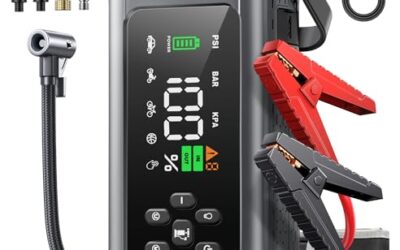
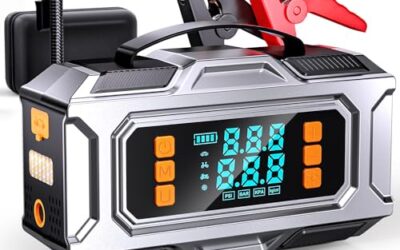
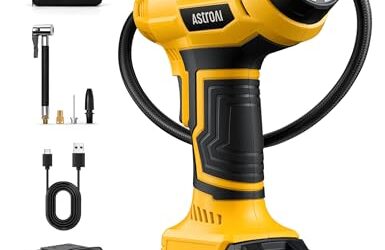
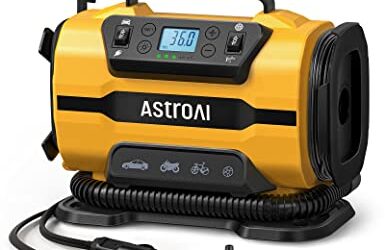
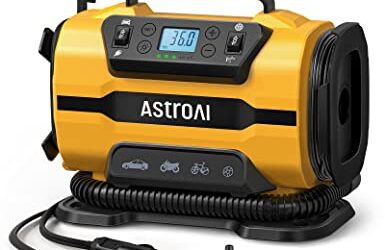
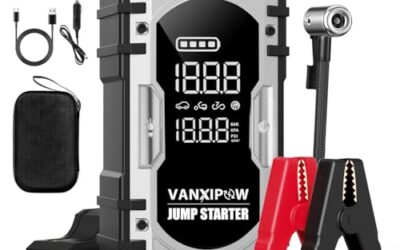
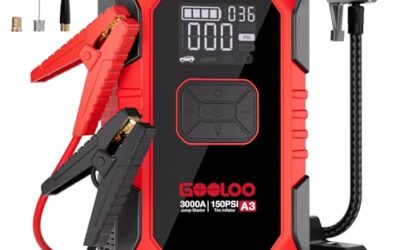
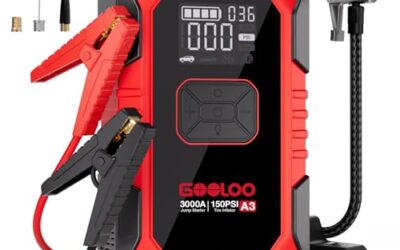
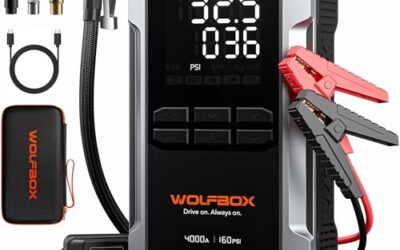
A tire inflator, also known as a portable air compressor, can typically run continuously for 10 to 30 minutes before it requires a cooling period or shut-off. This duration varies based on the device’s power output, the vehicle’s battery capacity, and external conditions such as temperature. Understanding these limits is essential for safely inflating tires on the road without draining your vehicle’s battery excessively or risking equipment failure.
Knowing the expected run time helps you plan your tire maintenance tasks, especially when dealing with low tire pressure warnings or flat spots. This guide explores the factors that influence how long a tire inflator can run, provides practical tips, and addresses common concerns to help you make informed decisions.
Key Takeaways
- Tire inflators generally offer 10-30 minutes of continuous runtime.
- Duty cycles of 50% allow for intermittent operation to prevent overheating.
- Battery voltage and health significantly impact available run time.
- Higher-powered compressors can handle larger volumes but may have shorter continuous limits.
- Always ensure your vehicle’s battery is in good condition before use.
What Is a Tire Inflator and How Does It Work?
A tire inflator is a handheld or portable device designed to quickly add air to vehicle tires. It consists of an electric motor, a pump mechanism, a pressure gauge, and an inflation hose. These devices are powered by the vehicle’s 12-volt electrical system and are commonly used for quick top-offs or emergency repairs.
The working principle involves the motor driving a compressor that draws in ambient air and compresses it to the desired pressure. The compressed air is then directed through the hose into the tire valve stem. Modern inflators often include digital gauges for precise readings and may have auto-shutoff features when the target pressure is reached.
They are particularly useful for vehicles with spare tires, motorcycles, bicycles, or in situations where accessing a full-service station is inconvenient. However, their runtime is limited compared to larger workshop compressors that can run indefinitely when connected to a power outlet.
Factors That Determine How Long A Tire Inflator Can Run
Compressor Power and Specifications
The power of the compressor directly affects its ability to run continuously. Most portable tire inflators are rated between 100 and 300 watts. Higher wattage models can maintain pressure against the tire’s resistance for longer periods. For example, a compressor with a flow rate of 1.5 CFM can fill a standard passenger tire faster than one with 1.0 CFM, but the continuous run time might be similar if thermal limits are reached sooner.
Many manufacturers specify a duty cycle, which is the percentage of time the compressor can operate without overheating. A 50% duty cycle means the unit can run for 30 seconds on and 30 seconds off within a one-minute cycle. This design prevents the motor from burning out due to sustained high load.
Additional specifications like maximum PSI output and noise level also influence usability, but the core runtime is tied to thermal and electrical limits.
Vehicle Battery Capacity and Voltage
Your vehicle’s battery plays a crucial role in how long the inflator can run. A healthy 12-volt battery with at least 50 amp-hours capacity can support the inflator for the full rated time. However, if the battery is older or discharged, the voltage drops, reducing the inflator’s performance and shortening its runtime.
Some inflators are compatible with 10.8-volt systems found in certain European vehicles. These lower voltage options may have slightly reduced runtime due to less power available. Always check the voltage requirements listed in the product manual or on the device itself.
In colder temperatures, battery performance decreases, which can cut runtime by up to 20-30%. This is why it is recommended to inflate tires on warmer days when possible. Drivers in regions with harsh winters should plan accordingly or use a battery maintainer.
Ambient Temperature and Environmental Conditions
Temperature affects both the battery and the inflator’s internal components. Hot weather can cause the compressor to overheat faster, triggering the thermal protection switch sooner. Conversely, extreme cold can slow the motor’s efficiency and increase the risk of condensation inside the unit.
Humidity and altitude can also play minor roles, but the primary influences are temperature and battery state. For instance, at high altitudes, the air density is lower, which might slightly affect the compressor’s performance.
Tire Size, Pressure, and Volume to Be Inflated
Larger tires or those requiring higher pressures (like trucks or off-road vehicles) take more air to fill, thus consuming more runtime. A small car tire might take 2-3 minutes to reach 35 PSI, while a larger SUV tire could require 5-7 minutes. This directly impacts how long the inflator needs to run for that task, but the continuous limit remains the same regardless of the job size.
It’s important to note that the runtime limit is for continuous operation, not the total time needed to complete a full inflation. Once the tire reaches the target pressure, the inflator typically stops automatically.
Impact of Factors on Runtime
| Factor | Effect on Runtime | Explanation |
|---|---|---|
| Compressor Power | Positive | Higher wattage or CFM allows longer continuous operation |
| Battery Voltage | Positive | 12V systems provide more runtime than 10.8V |
| Ambient Temperature | Negative | Colder temps reduce runtime by 20-30% |
| Duty Cycle | Intermittent | 50% duty cycle requires cooling breaks |
| Tire Volume | Negative | Larger tires require more air, but limit is for continuous run |
Typical Runtime Ranges and Duty Cycles
Portable tire inflators usually advertise run times between 10 and 30 minutes continuous. For instance:
- Basic models: 10-15 minutes
- Mid-range: 20-25 minutes
- Heavy-duty: up to 30 minutes with robust cooling systems
These times assume a full battery and normal conditions. In practice, expect to see the inflator shut off automatically if it exceeds its duty cycle or temperature threshold. Always refer to the manufacturer’s specifications for the most accurate information.
Practical Tips for Maximizing Tire Inflator Runtime
To extend the effective use of your tire inflator:
- Ensure your vehicle’s battery is fully charged and in good condition. A weak battery will limit runtime significantly.
- Use the inflator during warmer weather to maintain optimal battery performance.
- Allow the device to cool between sessions if running longer than the duty cycle permits.
- Inflate tires to the recommended pressure rather than over-inflating, as this reduces the work the compressor must do.
- Consider using a larger or more powerful inflator for bigger jobs.
- Keep the hose connections clean to avoid air leaks that waste runtime.
- Store the inflator in a cool, dry place when not in use.
Common Mistakes When Using A Tire Inflator
One common mistake is assuming the inflator can run indefinitely. Many users run it until it shuts off, but ignoring the duty cycle can lead to overheating and damage.
Another error is using it on a low battery without checking the voltage. This can cause the device to underperform or shut down prematurely.
Some forget to account for the time needed to reach the target pressure, leading to frustration when the job isn’t complete.
Additionally, not reading the manual can result in misunderstanding compatibility with vehicle voltage systems. Always verify that the inflator’s voltage matches your vehicle’s electrical system to avoid damage or safety issues.
Furthermore, running the inflator in an enclosed space without ventilation can lead to overheating due to trapped heat.
When To Get Professional Help
If your tire inflator shuts off unexpectedly after only a few minutes, experiences unusual noises, or fails to maintain pressure, it may indicate a problem with the compressor, motor, or internal components. In such cases, it is best to have the device inspected by a professional rather than attempting repairs, which could void warranties or create safety hazards.
Regular maintenance, such as cleaning filters and checking hose connections, can prevent many issues. If the inflator is new, contact the manufacturer for troubleshooting steps. For vehicle-specific concerns, consult a certified technician if the battery or electrical system is involved.
Safety Considerations When Using A Tire Inflator
While using a tire inflator, it is important to follow safety guidelines. Never operate the device in an enclosed space as it can generate heat and potentially produce fumes if there’s an issue. Ensure the vehicle is parked safely and the engine is off to avoid electrical hazards.
Keep children and pets away from the equipment. If the inflator gets hot to the touch, immediately turn it off and allow it to cool. Always use the device on a stable surface to prevent tipping.
FAQ
How long can a tire inflator run continuously?
Typically, 10 to 30 minutes, depending on the model and conditions.
What is the duty cycle of a tire inflator?
The duty cycle is the percentage of time the compressor can operate continuously without overheating. Most are 50%, meaning 30 seconds on, 30 seconds off.
Does battery voltage affect tire inflator runtime?
Yes, lower voltage reduces available power and can shorten runtime.
Can a tire inflator run longer with a larger battery?
A larger or healthier battery can provide more runtime by maintaining voltage better.
Is it safe to run a tire inflator for the full rated time?
Yes, if you follow the duty cycle and allow cooling periods.
What should I do if the inflator shuts off too soon?
Check your battery voltage, ensure proper ventilation, and allow it to cool. If the issue persists, seek professional service.