Inflating car tires at home is a straightforward process that can save you time and money compared to visiting a gas station. By using a portable air compressor or tire inflator, you can maintain proper tire pressure, which improves fuel efficiency, handling, and safety. This guide covers everything you need to know, from prerequisites to troubleshooting common issues.
Key takeaways
- Check the recommended tire pressure on the vehicle door sticker before inflating.
- Use a 12-volt DC power supply compatible with your vehicle’s outlet.
- Inflate tires when they are cold for the most accurate reading.
- Monitor pressure to prevent over or under inflation.
- Replace valve stem caps after inflating to prevent debris entry.
Understanding Tire Pressure and Its Importance
Tire pressure refers to the amount of air inside the tires, measured in pounds per square inch (PSI). Proper tire pressure is crucial for vehicle performance, safety, and efficiency. Underinflated tires can lead to increased rolling resistance, higher fuel consumption, and a higher risk of blowouts. Overinflated tires may cause a harsher ride and reduced traction.
The recommended tire pressure is typically found on a sticker located on the driver’s side door jamb or in the fuel door area. This value is usually for cold tires, meaning the vehicle has not been driven for at least three hours or driven less than one mile. Always use this value as a starting point and adjust based on your driving conditions and load. The process applies to most passenger vehicles, including sedans, SUVs, and light trucks, but compatibility limits exist for heavier duty models where PSI requirements can exceed 50.
Tools and Equipment Required
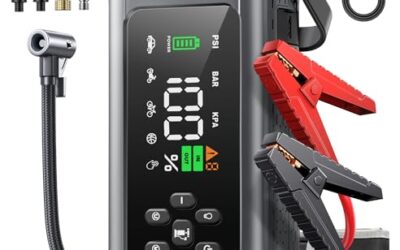
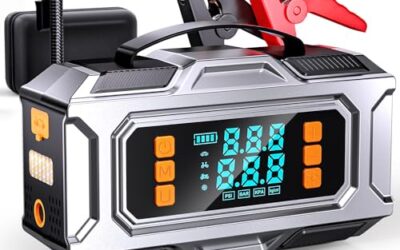
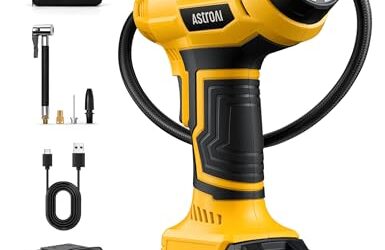
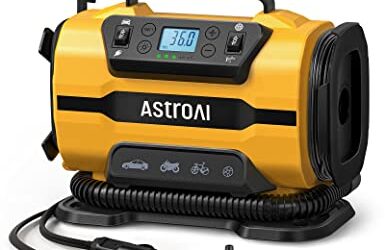
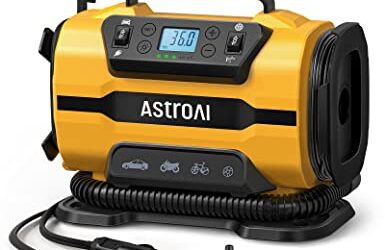
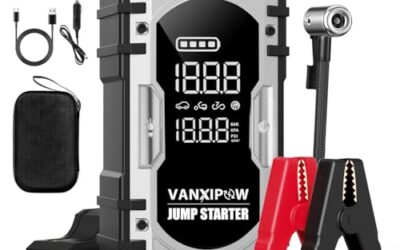
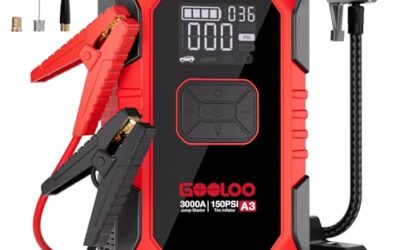
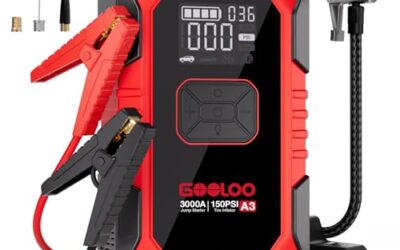
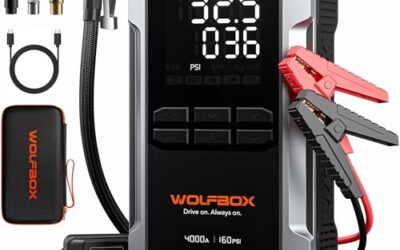
To inflate car tires at home, you will need a few essential items. The most common tool is a portable air compressor or a dedicated tire inflator. These devices connect to the vehicle’s 12-volt cigarette lighter outlet or a dedicated power supply. Consider the following types: analog gauges for basic monitoring, digital models with auto shut-off to prevent overinflation, and hose adapters for standard Schrader valve stems found on most cars.
Note that a standard bike pump is generally not suitable for car tires due to insufficient pressure output and power. Gas station air is free but not recommended for home use because it may introduce moisture or contaminants that can damage your tires over time. Limitations include the need for a 12V DC source, which may drain the battery if the engine is not running, and potential noise or heat from the compressor during operation. Always ensure the equipment is rated for automotive use and check for compatibility with your vehicle’s electrical system and any tire pressure monitoring sensors.
Step-by-Step Guide to Inflating Car Tires at Home
- Prepare your vehicle: Park the car on a flat, level surface. Engage the parking brake and turn off the engine. This ensures safety and accurate pressure readings. Note that this step applies to all vehicles but may vary slightly for those with automatic transmissions or specific safety features.
- Locate the tire pressure information: Open the driver’s door and check the sticker on the jamb or the fuel filler door for the recommended PSI for each tire, including any spare. This placard provides model-year specific guidance and should be followed for optimal performance.
- Remove the valve stem cap: Twist off the cap from the valve stem to allow air in. Keep it clean to avoid debris. For vehicles equipped with TPMS, be cautious to prevent damage to the sensor inside the stem.
- Connect the inflator: Attach the hose to the valve stem. Ensure a tight seal to prevent air leaks. Adapters may be needed for certain valve types, though Schrader is standard on passenger cars.
- Set the pressure: Most inflators have a preset or you can adjust the dial or use the digital display to set the desired PSI. Start with the recommended pressure and inflate slowly to avoid sudden pressure changes that could affect the tire structure.
- Inflate the tire: Run the compressor until the pressure reaches the target. For digital models, it will stop automatically. For analog, watch the gauge closely. The compressor works by mechanically compressing air from the atmosphere into the tire.
- Check and adjust: Remove the hose, replace the cap, and recheck the pressure after a few minutes as it may settle. Add or release air as needed. This step helps account for any minor variations.
- Repeat for all tires: Perform the same steps for each tire on the vehicle. Do not forget the spare tire if applicable. Consider the total number of tires and the time required, which can vary based on vehicle size and compressor power.
- Verify all pressures: After inflating all tires, drive the vehicle a short distance to equalize pressure, then recheck all four tires and the spare. This final verification ensures all are correct before regular use.
This process typically takes 10-15 minutes per tire and can be done in under an hour for a full set. The compressor works by using either a piston or diaphragm mechanism to compress atmospheric air into the tire, increasing the PSI. The entire procedure is suitable for most model years but verify compatibility with your specific vehicle to avoid issues with older designs or specialized components.
Safety Precautions
While inflating tires at home is generally safe, there are important precautions to follow. Always wear safety glasses or goggles to protect your eyes from flying debris or high-pressure bursts. Ensure the area is well-ventilated to avoid inhaling any tire dust or moisture. Do not overinflate tires beyond the maximum PSI listed on the sidewall of the tire. This can cause the tire to burst. If using a compressor, do not leave it unattended while running, and ensure it is not placed near flammable materials. For vehicles with TPMS, use an inflator that is compatible to avoid damaging the sensors. Uncertainty in compatibility: Exact sensor handling can vary by brand and year, so refer to your manual if available. Additional tips include keeping a fire extinguisher nearby and never using the process near an open flame.
Common Mistakes to Avoid
Many people make errors when inflating tires at home, which can lead to safety issues or wasted time. Inflating tires when they are warm from driving, leading to inaccurate pressure readings. Always wait until the tires are cold. Using the wrong PSI value, such as confusing it with the sidewall max or confusing front and rear recommendations. Forgetting to check the spare tire or assuming all tires have the same pressure. Running the engine while using the 12V outlet, which can drain the battery if the compressor is high-draw. Ignoring low pressure warning lights on the dashboard, which may indicate a slow leak rather than improper inflation. Other mistakes include using household compressors not rated for tires, neglecting to replace valve caps, and failing to recheck after driving. These errors can compromise vehicle safety and efficiency, so double-check each step to minimize risks.
When to Seek Professional Help
If you notice a persistent low tire pressure after multiple attempts to inflate, or if you hear a hissing sound indicating a leak, it may be time to have the tire professionally inspected. Additionally, if your vehicle is under warranty or you are unsure about the process, consulting a professional service can provide peace of mind. For large vehicles like trucks or SUVs with higher PSI requirements, professional equipment is often recommended due to the increased risk of injury. Professional help is also advised if you suspect a puncture or if the issue persists despite correct inflation methods. In such cases, a technician can use specialized tools and diagnose underlying problems like valve stem damage or rim issues.
Troubleshooting Low Tire Pressure
If your tires lose pressure after inflating, it could be due to a leak at the valve stem or a faulty inflator. To test for leaks, apply a soapy water solution to the valve stem and look for bubbles. If bubbles appear, there is a leak that may require professional repair. For the inflator, check for loose connections or damaged hoses. Other causes include temperature fluctuations or improper initial inflation. Always start with basic checks before escalating to more involved diagnostics.
FAQ
How often should I check my tire pressure?
It is recommended to check tire pressure at least once a month and before long trips. Seasonal changes and temperature fluctuations can affect pressure, so regular checks are essential. Additionally, if you frequently drive on highways or carry heavy loads, more frequent checks may be necessary to maintain optimal performance and safety.
Can I use a regular air compressor for car tires?
Yes, but ensure it is a portable 12V model designed for tires. Household air compressors are usually not suitable due to different power requirements and lack of precise control. Always match the voltage and connector type to your vehicle to ensure compatibility and avoid electrical issues.
What should I do if my tire pressure light comes on?
First, check the pressure on all tires using your inflator. If it is low, inflate accordingly. If it remains low, there may be a leak that requires professional diagnosis. This light indicates a potential issue that should not be ignored to prevent tire failure.
Is it safe to inflate tires with the engine running?
It is not necessary and can lead to battery drain. Always turn off the engine before inflating to ensure safe operation and prevent any electrical complications.
How do I know if my inflator is working properly?
Check the device for leaks by connecting it to a known pressure source or test it on a small object first. Digital models often have self-diagnostics. If it does not hold pressure or show accurate readings, it may need repair or replacement for reliable home use.