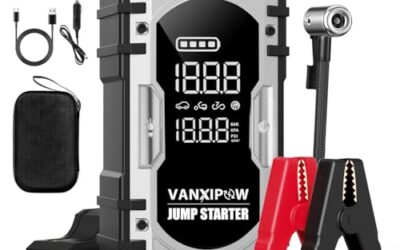
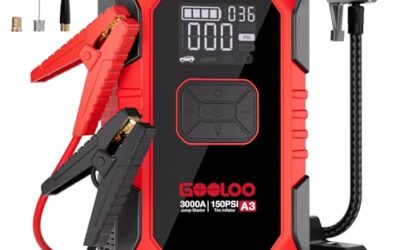
A tire inflator is a portable device that pumps air into your vehicle’s tires. It helps maintain proper pressure for safety and efficiency. This guide will provide you with everything you need to know about how to use a tire inflator, including detailed steps, safety warnings, and tips to ensure your tires are always correctly inflated.
Whether you are a new driver or an experienced mechanic, understanding the process of using a tire inflator can prevent accidents and save you money on tire replacements. We’ll cover what a tire inflator is, how it works, the step-by-step process, and more. Remember, proper inflation is not just about filling the tire; it’s about ensuring the tire performs as designed by the manufacturer.
Key Takeaways
- Check tire pressure when tires are cold for accuracy.
- Use the recommended PSI for your specific vehicle model and load.
- Inflate slowly to prevent overpressurizing the tire.
- Always wear safety glasses when using an inflator.
- Inspect the valve stem for damage before inflating.
- Repeat the process for all four tires.
- Store your inflator properly after use.
What is a Tire Inflator?
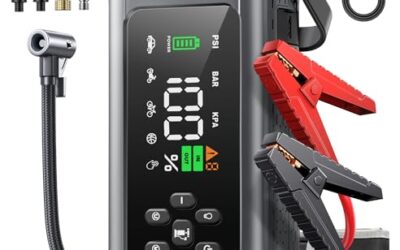
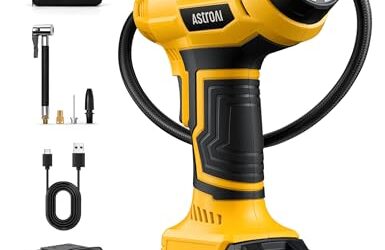
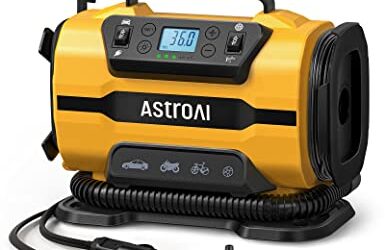
A tire inflator, also known as an air compressor for tires, is a compact tool that delivers air to your tires to maintain optimal pressure levels. These devices are powered by either a 12-volt outlet in your car, a standard household electrical outlet, or a rechargeable battery. They are particularly useful for quick top-offs, emergency situations, or when you don’t have access to a full-service station.
Tire inflators come in various forms, including plug-in models for home use, cordless portable units, and those integrated into tire repair kits. The primary function is to increase the air pressure inside the tire by forcing air through the valve stem. This process is essential because underinflated tires can lead to reduced fuel efficiency, increased rolling resistance, and a higher risk of blowouts. Over time, this can also lead to uneven tire wear and potential safety hazards.
How Does a Tire Inflator Work?
Most tire inflators operate on the principle of positive displacement. They draw in ambient air and then compress it using a piston or diaphragm mechanism driven by an electric motor. The compressed air is then directed through a hose to the tire’s valve stem. Some models have digital gauges to display the current pressure and the target PSI, making it easy to set the desired inflation level.
Compatibility is important to consider. For most cars, a 12-volt model is sufficient and can be powered by the cigarette lighter socket. However, heavier-duty trucks or RVs may require a higher voltage or a dedicated power source. Always check your vehicle’s manual for the recommended power requirements. Additionally, some inflators are designed for specific applications like inflating basketballs or pool toys, but for automotive use, look for ones rated for high PSI and continuous duty cycles. Note that using an incompatible inflator can lead to damage or ineffective performance.
Safety Precautions When Using a Tire Inflator
Safety should always be your top priority when using a tire inflator. First, ensure the area around your tires is well-lit and free of obstacles. Never use an inflator near an open flame or in a confined space where sparks could ignite fuel vapors. This is especially important in areas with dry grass or leaves that could catch fire.
Wear protective gear such as safety glasses to shield your eyes from flying debris or pressurized air. Do not overinflate the tire beyond the maximum PSI listed on the sidewall of the tire. Overinflation can cause the tire to burst, leading to serious injury or property damage. If you notice any unusual sounds or the tire feels unusually hot, stop immediately and let it cool down. Hot tires can be more prone to failure.
Another important tip is to never leave the inflator connected while the vehicle is moving. Always disconnect it after use and store it in a safe place, perhaps in the trunk or a dedicated compartment in your glove box. For vehicles with run-flat tires or specific electronic systems, ensure the inflator is compatible to avoid any issues with sensors or other components. Additionally, if your vehicle has a spare tire that is not rated for the same pressure, be cautious when using the inflator on it.
Step-by-Step Guide to Using a Tire Inflator
Step 1: Prepare Your Equipment
Before starting, gather all necessary items. This includes your tire inflator, a tire pressure gauge if your inflator doesn’t have one, a flashlight for visibility, and gloves for handling. Make sure the inflator is fully charged or plugged in, depending on the type you’re using. Having everything ready will save you time and prevent interruptions during the process.
Step 2: Locate the Tire Valve Stem
Park your vehicle in a safe, level area. Open the driver’s door and use the door handle to access the valve stem on each tire. It’s located on the outer sidewall of the tire, usually near the center. Clean any dirt or debris from the valve stem to prevent contaminants from entering the tire. This step is crucial to avoid introducing dirt that could cause a leak later on.
Step 3: Remove the Valve Cap
Twist the valve cap counterclockwise to remove it. Store the cap in a safe place where it won’t get lost. Leaving the cap off can allow dirt and moisture to enter the tire, which can damage the valve and reduce tire life. Always replace the cap after use to maintain the seal.
Step 4: Connect the Inflator
Attach the inflator’s hose to the valve stem. Some models have quick-connect fittings, while others require screwing the connector onto the stem. Ensure a tight seal to prevent air leaks. If your inflator has a pressure release button, keep it accessible for adjustments. This connection is key to getting an accurate reading and proper inflation.
Step 5: Set the Desired PSI
Most modern tire inflators have digital displays. Use the up and down buttons to set the target pressure, which is usually found on the driver’s door jamb sticker or in your vehicle’s manual. Common recommendations are 30-35 PSI for passenger cars, but always verify for your specific model. Note that this is the pressure when the tires are cold. Setting it correctly is vital for the vehicle’s performance and safety.
Step 6: Inflate the Tire
Turn on the inflator and watch the gauge or digital display. Inflate slowly, checking the pressure every 10-15 seconds to avoid overinflating. The process typically takes a few minutes depending on the tire size and current pressure. Stop when you reach the target PSI. Rapid inflation can cause the tire to heat up unevenly or the bead to seat improperly if it’s a new tire. Slow and steady is the best approach.
Step 7: Disconnect and Check the Pressure
Once inflated, disconnect the hose from the valve stem. Reattach the valve cap tightly. Use a separate tire pressure gauge to double-check the pressure. If it’s slightly off, you can make a small adjustment, but never exceed the maximum PSI. This verification step ensures you have the correct pressure before driving.
Step 8: Repeat for All Tires
Follow the same steps for each tire on your vehicle. It’s a good idea to check all four tires at the same time to ensure even pressure distribution, which improves handling and safety. Don’t forget the spare tire if you have one, as it should also be checked regularly.
Choosing the Right Tire Inflator for Your Needs
When selecting a tire inflator, consider your vehicle’s power requirements. For most cars, a 12-volt model is sufficient and can be powered by the cigarette lighter. However, if you frequently inflate larger tires or need higher volumes, a 110-volt home unit might be more practical. Portable battery-powered inflators are great for on-the-go use but may have limited runtime. Consider the features like digital pressure gauges, multiple inflation modes, and auto shut-off to prevent overinflation.
Compatibility limits: Not all inflators work with all vehicles. For example, electric vehicles with low ground clearance might require careful handling to avoid damaging the inflator. Always read the manufacturer’s specifications for voltage, amperage, and maximum PSI output. Some inflators may not be suitable for high-volume tires like those on trucks or trailers.
Common Mistakes When Using a Tire Inflator
One common error is checking tire pressure when the tires are warm from driving. This can lead to underinflation because warm tires expand and hold more pressure. Always wait at least three hours after driving or check when tires are cold. This mistake can lead to improper handling and increased tire wear.
Another mistake is using the inflator without setting the correct PSI. Many people guess the pressure, but incorrect settings can cause handling issues or tire damage. Refer to your vehicle’s placard for the exact PSI. Ignoring this can compromise safety.
Overinflating is a frequent problem. Some users think more air is better, but exceeding the maximum PSI can lead to blowouts. Listen for the hiss of air and stop when the gauge reaches the target. This can be dangerous if not done correctly.
Neglecting to clean the valve stem before inflating can introduce dirt, leading to leaks. Always wipe the area around the valve stem with a clean cloth. Dirt in the valve can cause the tire to lose pressure over time.
Using the wrong type of inflator for your vehicle, such as one not rated for continuous use, can cause it to overheat and fail prematurely. Always choose an inflator suitable for automotive applications.
When to Get Professional Help
If you’re unsure about the correct PSI for your vehicle or if your inflator isn’t performing as expected, consult your owner’s manual or a professional mechanic. Additionally, if you notice signs of tire damage like bulging, cracks, or if the tire feels unusually hot after inflation, have it inspected by a professional. Professional help is also recommended if you’re dealing with a severe flat tire that requires more than just air inflation, such as a puncture repair. Don’t attempt to inflate a tire if you suspect a mechanical issue like a stuck valve or a leak that won’t hold air. In such cases, it’s safer to tow the vehicle to a service center.
FAQ
How Often Should I Check My Tire Pressure?
You should check your tire pressure at least once a month and before long trips. It’s also a good idea to check it weekly if you drive a lot or if you’ve recently changed the tires. Regular checks help catch issues early and maintain optimal performance.
Can I Use a Tire Inflator on All Types of Tires?
Most standard passenger car and light truck tires can be inflated with a tire inflator. However, some specialty tires like run-flat or foam-filled tires may not be suitable or could require different equipment. Always check the tire manufacturer’s recommendations to ensure compatibility and safety.
What Should I Do If My Tire Inflator Malfunctions?
If your inflator stops working or loses pressure, check the power source, hose connections, and filters. Clean any debris from the air intake. If it persists, replace the unit as it may be defective. Regular maintenance of your inflator can prevent such issues.
Is It Safe to Inflate Tires While They’re Still On the Vehicle?
Yes, as long as the vehicle is parked safely and the area is clear. However, it’s best to remove the wheel if there’s any risk of damage or if you’re using a jack. Always follow proper safety procedures to avoid accidents.
How Long Does It Take to Inflate a Tire?
The time varies depending on the tire size, current pressure, and inflator power. A typical passenger car tire might take 5-10 minutes to reach the correct PSI from a low level. Factors like the initial pressure and the inflator’s flow rate affect the duration.