12V vs Cordless Tire Inflator
A 12V tire inflator plugs directly into your vehicle’s 12-volt outlet for immediate use, while a cordless tire inflator relies on a rechargeable battery for standalone operation. The primary difference lies in power source and portability: 12V models are convenient for vehicle-integrated use but limited by the car’s electrical system, whereas cordless ones offer flexibility but require periodic charging. Choosing between them depends on your lifestyle, vehicle type, and inflation frequency. This guide breaks down the practical differences, compatibility factors, and decision criteria to help you select the right tool.
Key Takeaways
- 12V inflators provide unlimited runtime as long as the vehicle has power but tie you to the car.
- Cordless inflators are portable and usable anywhere but have finite battery life and require charging.
- Consider your vehicle’s voltage and connector type when deciding.
- 12V is often more cost-effective and lighter, while cordless excels in off-vehicle scenarios.
What Is a 12V Tire Inflator?
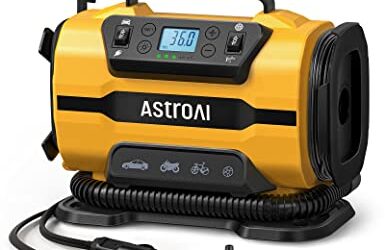
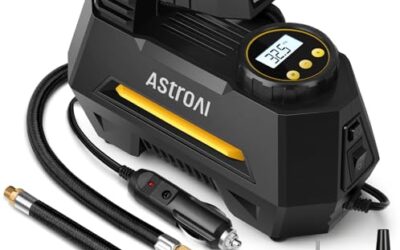
A 12V tire inflator is a compact air compressor designed to connect to the standard 12-volt cigarette lighter socket found in most passenger vehicles and light trucks. It draws power directly from the vehicle’s electrical system, eliminating the need for a separate battery or external charger. These inflators typically include a pressure gauge, an air hose, and an inflation nozzle. They operate by using a small electric motor to compress air into the tires. Common features include preset PSI buttons for standard tire pressures, digital displays for precision, and some models with multiple nozzles for different valve types. They are ideal for quick top-offs after long drives or for maintaining proper tire pressure in daily driving. Because they plug into the car, they are always ready to use without waiting for a charge. The process involves inserting the plug into the vehicle’s outlet, turning on the device, and monitoring the gauge as air is pumped in. It typically has a safety feature to prevent overinflation, making it straightforward for everyday use.
What Is a Cordless Tire Inflator?
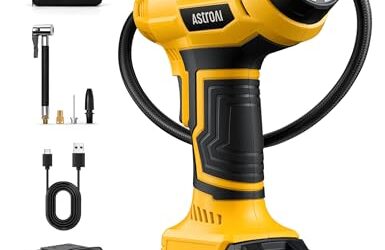
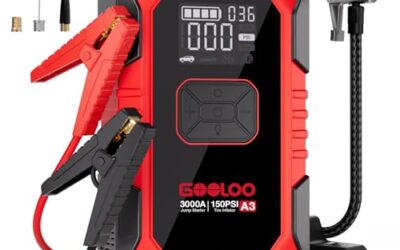
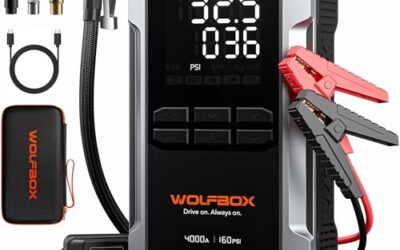
A cordless tire inflator is a battery-powered air compressor that functions independently of any vehicle. It comes with its own rechargeable battery, usually lithium-ion, and includes a digital gauge, hose, and inflation tip. Some advanced models even feature Bluetooth connectivity for smartphone apps that allow monitoring and control from a phone. These devices are designed for maximum portability, making them suitable for use at home, in the garage, at the campsite, or roadside. They can inflate tires without needing to be near a vehicle, which is particularly useful for RVs, motorcycles, bicycles, or emergency situations where there’s no access to a 12V outlet. Runtime varies by model, typically ranging from 20 to 60 minutes of continuous use per charge, depending on the inflation volume and battery capacity. Many cordless models include auto shut-off functions and low battery indicators to ensure safe and efficient operation, along with USB ports for charging the device or other gadgets.
Key Differences Between 12V and Cordless Tire Inflators
The core distinction is the power source. A 12V tire inflator is tethered to the vehicle’s battery, while a cordless one operates on its own power. This affects portability, convenience, and potential drawbacks. Here is a comparison table:
| Aspect | 12V Tire Inflator | Cordless Tire Inflator |
|---|---|---|
| Power Source | Vehicle 12V outlet | Rechargeable battery |
| Portability | Low (requires vehicle) | High (standalone) |
| Runtime | Unlimited (vehicle dependent) | 20-60 minutes per charge |
| Weight | Lightweight | Moderately heavy |
| Cost | Generally lower | Higher due to battery |
| Charging | None needed | Required after use |
| Vehicle Compatibility | Standard 12V outlets | Any location |
| Digital Features | Basic to advanced | More common with apps |
These differences make 12V inflators suitable for frequent users who stay with their vehicle, while cordless ones appeal to those who need flexibility. The comparison table serves as a quick reference for understanding the trade-offs. Portability is a major factor for many consumers who value the ability to inflate tires without being tied to their vehicle. For instance, during a road trip or when dealing with a flat tire in a remote location, the cordless option provides peace of mind. On the other hand, for daily drivers who rarely need to inflate tires outside the car, the 12V inflator’s simplicity and lower price point make it an attractive choice. Furthermore, the runtime aspect is crucial. With a 12V inflator, you can top off tires multiple times during a long journey without worrying about power depletion. In contrast, cordless inflators require you to plan around charging breaks, which might be inconvenient for extended use.
Pros and Cons of 12V Tire Inflators
Advantages
- Always ready to use without charging time.
- Lower cost and simpler design.
- Less weight, easier to store in the vehicle.
- No risk of battery degradation or failure.
- Can provide higher continuous power output since it draws from the vehicle’s larger supply.
Disadvantages
- Requires proximity to the vehicle.
- May drain the vehicle’s battery during extended use, especially in older vehicles or those with weak batteries.
- Not suitable for use away from the car, such as at a gas station without access to the outlet or in remote areas.
- Some vehicles have limited 12V outlets or shared circuits that could affect other accessories.
Pros and Cons of Cordless Tire Inflators
Advantages
- High portability for use in various locations.
- Independent operation, useful for motorcycles, scooters, or vehicles without 12V access.
- Digital features like app integration for precise PSI control.
- Can be used for multiple tire types including bikes and balls.
- Reduces reliance on the vehicle’s electrical system.
Disadvantages
- Requires charging time, which can interrupt use.
- Finite battery life, necessitating recharges after several uses.
- Heavier and bulkier than 12V models.
- Potential for battery wear over time, though modern lithium batteries are durable.
- Higher initial cost.
Vehicle Compatibility and Installation Factors
Vehicle model-year plays a role in 12V inflator compatibility. Most cars from the 2000s onward have standard 12V outlets, but older vehicles or those with aftermarket modifications may vary. Always check the owner’s manual for outlet locations and voltage ratings. For trucks or SUVs, some have 24V systems, requiring a step-down converter or specific 12V adapter for standard inflators. Regional differences include US vehicles typically using 12V, while some international models might differ, though 12V is standard in North America. Cordless inflators have no such limitations, making them versatile across all vehicles and applications. However, ensure the battery is compatible with your phone OS if it has app features, though most are standalone. For larger vehicles or those with dual batteries, the decision may lean towards cordless to avoid any potential issues with the main battery. Cars and sedans generally have standard 12V systems, making 12V inflators perfect. For larger vehicles or those with dual batteries, the decision may lean towards cordless to avoid any potential issues with the main battery.
How to Choose the Right Tire Inflator for Your Needs
Consider your typical usage scenarios. If you primarily inflate tires while in your car or truck, a 12V model is often sufficient and more practical. For frequent travel, camping, or needing to inflate tires away from your vehicle, a cordless inflator provides better convenience. Also evaluate your vehicle’s electrical system health. If the battery is weak, avoid long sessions with a 12V inflator to prevent further drain. For cordless, check the warranty on the battery and the inflation speed required for your tires. Other factors include the desired PSI range (most cover 5-150 PSI or more), noise level, and ease of use for quick top-offs. If your vehicle is your primary transportation and you have reliable access to 12V outlets, a 12V tire inflator is likely the better option due to its simplicity and cost-effectiveness. For those who travel frequently or live in areas with limited vehicle access, a cordless tire inflator offers greater versatility and independence. To help you decide, consider this simple decision tree: Start with: Do you need to use the inflator away from your vehicle? Yes -> Choose cordless No -> Choose 12V Then branch on: Is the vehicle battery reliable? Yes -> 12V No -> Cordless
Safety Considerations When Using Tire Inflators
Always follow manufacturer guidelines for safe operation. Never leave the inflator unattended while in use. Ensure the tire is not overinflated beyond the sidewall maximum PSI. Keep the device away from heat sources and flammable materials. For 12V models, avoid using if the vehicle’s battery is low to prevent starting issues. For cordless, store batteries properly to avoid overcharging or extreme temperatures. These warnings help prevent accidents and extend equipment life. Regular cleaning of the hose and nozzle prevents debris buildup. For 12V, inspect the plug for wear. For cordless, calibrate the gauge periodically if it has one.
Common Mistakes to Avoid
- Assuming a cordless inflator is unnecessary because you have a 12V outlet – portability is key for many scenarios.
- Ignoring vehicle voltage compatibility, leading to damaged equipment.
- Not checking battery life estimates before long trips.
- Using the wrong nozzle for valve stems, causing leaks.
- Overlooking storage space for heavier cordless units.
When to Seek Professional Help
If your vehicle shows signs of electrical issues or frequent 12V outlet problems, consult a mechanic. For cordless inflators, if the battery doesn’t hold a charge after several cycles, it may need replacement. Professional service is also advisable for complex setups involving multiple accessories or custom installations. If your vehicle shows signs of electrical issues or frequent 12V outlet problems, consult a mechanic.
FAQ
What is the main difference between 12V and cordless tire inflators?
The main difference is that 12V inflators connect to the car’s outlet for unlimited power, while cordless ones use a battery for independent, portable use.
How long does the battery last on a cordless tire inflator?
Battery life typically ranges from 20 to 60 minutes of continuous inflation, varying by model and tire size.
Can I use a 12V inflator on a motorcycle?
Yes, but ensure the motorcycle has a compatible 12V outlet. Some models may require adapters.
Are cordless inflators better for off-road use?
Yes, due to their portability, they are excellent for remote locations without vehicle access.
What should I consider for vehicle compatibility?
Check your vehicle’s year, voltage (12V standard), and outlet type to ensure compatibility with 12V models.
Do cordless tire inflators have app control?
Many do, allowing you to set pressures and receive notifications via your smartphone, which is convenient for precise adjustments.
What is the best way to store a tire inflator?
Store 12V inflators in the glove compartment or trunk for easy access. For cordless, keep them in a cool, dry place and charge before storage to maintain battery health.