Can OBD2 Scanners Test Batteries?
An OBD2 scanner can test a battery by reading its voltage and sometimes running a load test. This article explains the process, limitations, and when to use one for your vehicle.

We independently review automotive electronics and diagnostic tools. When you buy through links on our site, we may earn a commission at no extra cost to you. Learn more ›
Learn what a diagnostic scanner can read, how to interpret vehicle data and where a code reader reaches its limits. Use the explainers and diagnostic guides before comparing tools for a specific vehicle.
An OBD2 scanner can test a battery by reading its voltage and sometimes running a load test. This article explains the process, limitations, and when to use one for your vehicle.
OBD2 codes can reappear after clearing because the underlying issue hasn't been fixed. The code is stored in the vehicle's memory and will return if the fault persists.
An OBD2 scanner that powers on but will not communicate with your vehicle can be frustrating. This guide covers common causes and step-by-step fixes to get your diagnostic tool working again.
A permanent OBD2 code is a diagnostic trouble code that remains stored in a vehicle's ECU memory even after the fault is repaired. These codes provide diagnostic history but must be cleared manually. They are essential for understanding past vehicle issues without implying current problems.
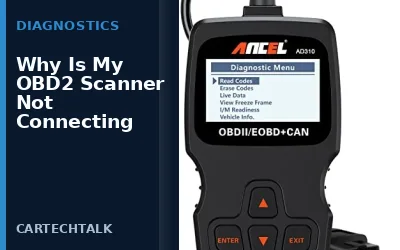
Your OBD2 scanner might not be connecting due to power supply problems, damaged cables, software incompatibilities, or issues with your vehicle's electrical system. This article provides a comprehensive guide to diagnosing and fixing connection issues with your OBD2 scanner, helping you get accurate diagnostic data from your vehicle.
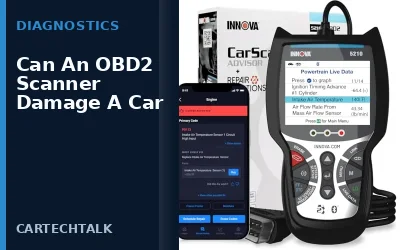
No, an OBD2 scanner cannot damage a car when used properly on compatible vehicles. These tools read data safely without altering systems, but compatibility and correct usage are important to avoid issues.
CAN bus is a vehicle bus standard designed to allow microcontrollers and devices to communicate with each other within a vehicle without a host computer. This technology is fundamental to the operation of modern automobiles, enabling efficient data exchange between various control units. Understanding what CAN bus is in a car helps you appreciate how your car's electronics work together seamlessly.
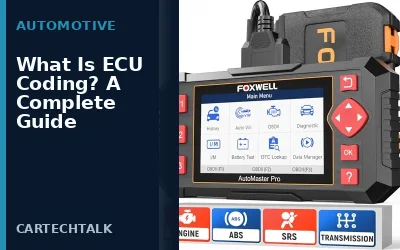
ECU coding is the reprogramming of a vehicle's engine control unit to improve performance or add features. This article explains the process, tools required, and important safety considerations.
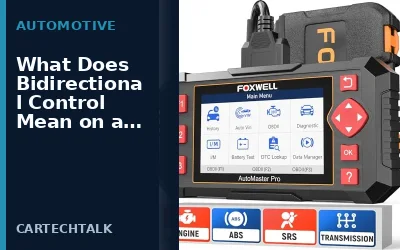
Bidirectional control on a scan tool enables sending commands to vehicle components for testing. It provides two-way communication beyond standard data reading.
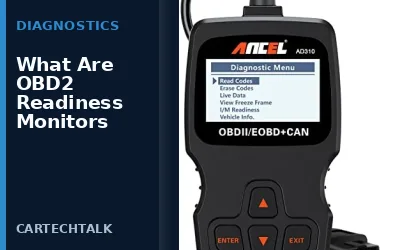
OBD2 readiness monitors are diagnostic tests that verify your vehicle's systems are functioning correctly. Understanding these monitors helps you pass emissions tests and maintain your car's performance effectively.