A permanent OBD2 code, also known as a frozen or permanent diagnostic trouble code (DTC), is a code that remains stored in a vehicle’s electronic control unit (ECU) even after the underlying fault has been repaired. Unlike temporary codes that may clear automatically, permanent codes stay until manually erased using an OBD2 scanner or diagnostic tool. This feature allows mechanics to review the vehicle’s diagnostic history to identify recurring issues or previous faults that may have been overlooked.
These codes are particularly useful in modern vehicles equipped with advanced onboard diagnostics, where the ECU has limited memory capacity and may freeze codes after a certain number of drive cycles or when the fault condition no longer exists. Understanding permanent OBD2 codes is essential for effective vehicle maintenance and troubleshooting.
- Permanent codes indicate past issues that have been addressed.
- They do not necessarily mean the fault is still present.
- Manual clearing is required to remove them from the memory.
- They are useful for tracking diagnostic history over time.
- Always address the root cause before clearing codes to prevent recurrence.
Understanding OBD2 Codes
OBD2, or On-Board Diagnostics version 2, is a standardized system that allows vehicles to self-diagnose and report malfunctions through standardized diagnostic trouble codes. Introduced in the United States in 1996 for most passenger vehicles, OBD2 has become a universal language for automotive diagnostics. It covers emissions, engine performance, and other systems.
OBD2 codes are read using a standardized connector under the dashboard, known as the OBD2 port. The codes are stored in the vehicle’s ECU and can be retrieved with compatible scanners. There are different types of codes, including generic codes that apply to all vehicles and manufacturer-specific codes that are unique to certain brands.
How Permanent Codes Differ from Temporary Codes
Permanent codes are distinct from temporary codes in their behavior and purpose. Temporary codes, also known as pending codes, are those that the vehicle has detected but not yet confirmed as a fault. They may clear on their own or after a few drive cycles without intervention.
In contrast, permanent codes are confirmed faults that the ECU has stored in its memory. Once stored, they stay there until manually cleared. This is important because it allows for the recording of historical data, such as the number of times the code was set, the freeze-frame data at the time of the fault, and other parameters.
| Feature | Temporary Code | Permanent Code |
|---|---|---|
| Behavior | Clear automatically after repair or drive cycles | Stay until manually cleared |
| Purpose | Current or immediate issue | Diagnostic history |
| Clearing | Automatic | Manual with scanner |
| Memory | Volatile | Non-volatile |
This table highlights the key differences that are crucial for understanding how to interpret diagnostic results.
Why Permanent Codes Exist
The existence of permanent codes is rooted in the design of vehicle ECUs. These computers have finite memory, and storing every possible code would be inefficient. When a fault is detected, the ECU sets the code and stores it along with freeze-frame data, which captures the vehicle’s state at the time of the fault, such as engine RPM, coolant temperature, and fuel trims.
Once the fault is repaired, the code does not automatically clear because the ECU may not know if the repair was successful or if the fault could recur. Instead, it may freeze the code to preserve the diagnostic information. This is particularly true in vehicles with OBD2 compliance, where manufacturers implement strategies to retain code history for warranty and maintenance purposes.
How to Read and Interpret Permanent Codes
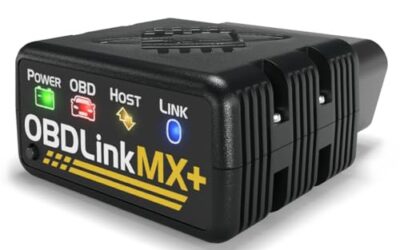
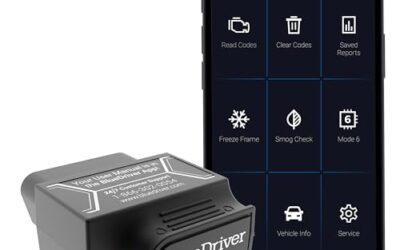
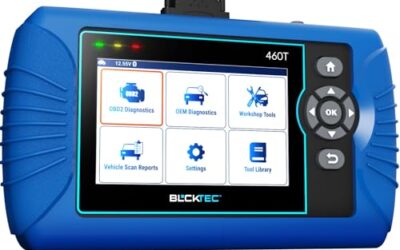
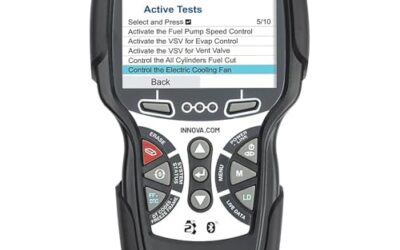
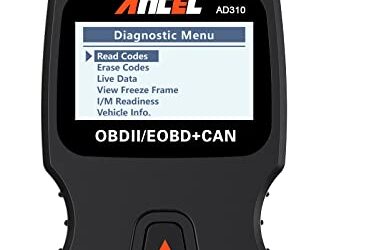
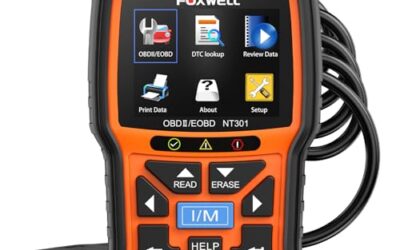
Reading permanent codes requires an OBD2 scanner that supports the specific vehicle. The process involves connecting the scanner to the OBD2 port, turning on the ignition, and selecting the read codes function. The scanner will display the codes, their definitions, and any associated freeze-frame data.
Interpreting the codes involves understanding what each code means. Generic codes follow standard definitions, while manufacturer-specific codes require a lookup in the vehicle’s service manual or a database. It is important to note that clearing the code does not fix the underlying issue; it only removes it from the memory.
Limitations and Compatibility Considerations
Not all OBD2 scanners can read permanent codes, especially in vehicles from certain manufacturers or years. Compatibility depends on the vehicle model year, as OBD2 standards evolved over time. For example, vehicles from 1996 to 2000 may use OBD2 but with different protocols, while later models use enhanced OBD2 with more capabilities.
Additionally, the voltage system is typically 12V, but some heavy-duty vehicles may have different systems. The connector is the standard 16-pin OBD2 port, but access may be restricted in some vehicles. Phone-based scanners may have limitations in reading certain codes or freeze-frame data.
Regional differences also play a role, as some countries have stricter emissions regulations that affect code availability. Always check the scanner’s compatibility list for the specific vehicle to avoid frustration.
The Importance of Freeze-Frame Data with Permanent Codes
Freeze-frame data is a critical component of permanent codes. It captures the vehicle’s operating conditions at the moment the fault was detected. This data can include engine speed, load, coolant temperature, fuel system status, and more. By reviewing this data, technicians can determine the conditions that led to the code being set, which is invaluable for pinpointing the root cause.
Without freeze-frame data, interpreting a permanent code would be much more difficult. It provides context that generic definitions alone cannot offer.
History of OBD2 and Permanent Codes
The OBD2 standard was mandated by the Clean Air Act Amendments of 1990 in the United States. It required vehicles to have onboard diagnostics to monitor emissions and other systems. The term permanent in the context of codes was introduced as manufacturers developed strategies to retain code history due to the evolving nature of vehicle electronics and the need for warranty claims and recalls.
Over the years, as vehicles became more complex with electronic fuel injection, anti-lock brakes, and later with OBD2 enhancements like CAN bus, the importance of permanent codes has grown. They are now a standard feature in most modern diagnostic tools.
Advanced Diagnostics with Permanent Codes
In some vehicles, permanent codes can be linked to other data like live data streams or test results. This allows for more thorough analysis. For example, if a code for the oxygen sensor is permanent, the freeze-frame might show rich or lean conditions, pointing to a catalytic converter issue or fuel trim problems.
Some scanners offer permanent code specific functions that highlight codes that have not cleared after a certain period, helping to identify intermittent faults.
Best Practices for Using OBD2 Scanners with Permanent Codes
When using an OBD2 scanner, always ensure it is compatible with the vehicle’s year, make, and model. Check for updates to the scanner’s firmware to support the latest OBD2 protocols.
Always read the codes before clearing them to note any associated data. Clear codes only after verifying the repair is complete and the fault is gone.
Keep a record of the codes and data for future reference, especially if the vehicle is under warranty or being sold.
Potential Risks of Ignoring Permanent Codes
Ignoring permanent codes can lead to missed opportunities for preventive maintenance. A recurring code might indicate a developing issue that could lead to more serious problems, such as engine damage or emissions failures.
Additionally, in some cases, permanent codes can affect the vehicle’s ability to pass emissions tests, even if the fault is not active.
By regularly checking for permanent codes, drivers can stay on top of vehicle health and avoid costly repairs down the line.
Common Mistakes When Dealing with Permanent Codes
One common mistake is assuming that a permanent code indicates a current fault. Many drivers or even some technicians clear codes without addressing the root cause, leading to the code returning after a short time.
Another mistake is using a generic scanner that cannot read manufacturer-specific codes or permanent status. This can lead to incomplete diagnostics.
Some may think that clearing a permanent code repairs the vehicle, but it only erases the code from memory. The underlying problem must be fixed first.
Finally, ignoring the freeze-frame data associated with permanent codes can prevent identifying the exact conditions that caused the fault.
When to Get Professional Help
Professional help is recommended when permanent codes keep reappearing, indicating a recurring issue that may require deeper diagnosis. This could be related to wiring issues, sensor failures, or software glitches that are not immediately apparent.
If the vehicle has multiple permanent codes or if the check engine light illuminates intermittently, it may be best to consult a certified technician. They have access to advanced tools and can perform tests that a basic scanner cannot.
Also, for vehicles with complex systems like hybrid or electric vehicles, where OBD2 may have limitations, professional diagnosis is essential.
FAQ
What is the difference between a permanent OBD2 code and a pending code?
Permanent codes are confirmed and stored until cleared, while pending codes are not yet confirmed as faults and may clear automatically.
How do I clear a permanent OBD2 code?
Use an OBD2 scanner to read the codes and then clear them from the memory. This action removes the code but does not repair the underlying issue.
Do permanent codes affect vehicle performance?
No, permanent codes do not affect performance as long as the fault is not present. They are stored for diagnostic purposes only.
Can I clear permanent codes myself?
Yes, with a compatible OBD2 scanner, but for complex vehicles, professional assistance may be necessary.
Are permanent codes the same across all vehicles?
No, they can vary by manufacturer and model year, with some having specific ways to access or clear them.
Sources and further reading
- J1962 Diagnostic Connector standard (SAE International): The industry standard that defines the 16-pin OBD2 diagnostic connector.
- J1979 E/E Diagnostic Test Modes standard (SAE International): The standard behind the diagnostic modes and data a generic OBD2 scan tool can request.