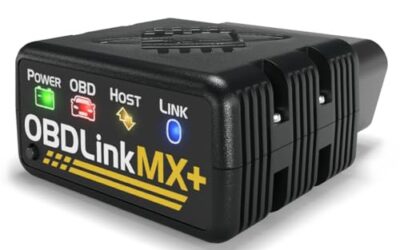
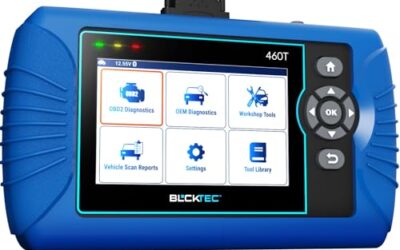
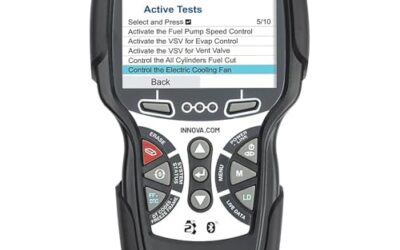
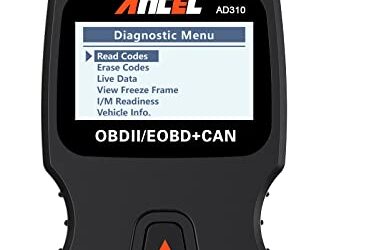
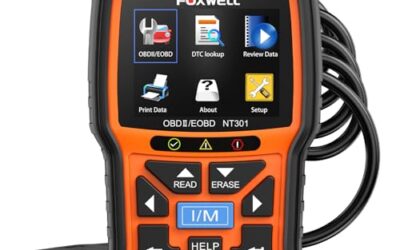
Bidirectional control on a scan tool refers to the capability of the diagnostic device to send commands to a vehicle’s electronic control unit (ECU) to operate or test components. This feature enables direct interaction with the vehicle’s systems, allowing users to activate parts like valves, relays, and solenoids to check their functionality. In contrast to standard diagnostic modes that only retrieve information, bidirectional control provides two-way communication, making it a powerful tool for in-depth vehicle diagnostics.
This article explains the concept, its applications, limitations, and best practices for using bidirectional control on scan tools.
Key takeaways
- Bidirectional control allows sending commands to test vehicle components.
- Applies to many modern vehicles but requires compatible equipment.
- Enhances diagnostic accuracy without unnecessary part replacements.
- Always follow safety protocols and vehicle-specific guidelines.
Understanding Bidirectional Control in Detail
Bidirectional control is a feature found in advanced OBD2 scanners and scan tools. It stands in opposition to unidirectional or read-only modes. When activated, the scan tool can issue specific commands to the ECU, which then responds by energizing or de-energizing components as per the command.
The process involves selecting a test from the scan tool’s menu, such as “Fuel Injector Test” or “ABS Solenoid Test.” The tool then sends a signal through the OBD2 port to the appropriate module. The ECU interprets this and sends power to the component for a set duration or until the test is complete.
This technology has evolved since the introduction of OBD2 in the late 1990s. Early bidirectional systems were basic, but modern ones offer more sophisticated tests, including multiple output channels and feedback loops for verification.
The Science Behind It
At its core, bidirectional control relies on the vehicle’s CAN bus or other communication protocols. The scan tool acts as a master device, sending data packets that the ECU decodes. For safety, many systems have timeouts to prevent prolonged activation that could overheat components.
Users should note that not all components are suitable for bidirectional testing. For instance, testing a catalytic converter is not feasible, but testing the oxygen sensor heater might be.
Applications of Bidirectional Control
Bidirectional control is widely used in various vehicle systems. In the engine compartment, it can test the throttle position actuator, idle speed control, or variable camshaft timing solenoids. For the fuel system, it can command the fuel pump relay or injectors to run, helping diagnose issues like no-start conditions or poor performance.
In the transmission, bidirectional control can activate shift solenoids to check for proper engagement. Safety systems like ABS and stability control use it to test wheel speed sensors interfaces or solenoid valves. Even comfort systems such as power windows or HVAC can have their actuators tested.
It’s especially valuable for hybrid and electric vehicles, where bidirectional control might test battery management systems or inverter components, though with different protocols. The feature helps verify repairs, diagnose intermittent faults, and confirm component operation without replacing good parts unnecessarily.
Preparing for a Bidirectional Test
Before using bidirectional control, several preparations are necessary. Ensure the vehicle’s battery is fully charged to at least 12.6 volts to avoid false readings or tool malfunctions. Park the vehicle in a safe location with the parking brake engaged. For tests involving fuel systems, have the area well-ventilated and no open flames nearby.
Some scan tools may require the vehicle to be in a specific state, such as all doors closed or windows up. Always consult the tool’s user manual for vehicle-specific setup instructions. Additionally, some tests may need the engine off while others require it running, so plan accordingly based on the selected test.
Interpreting Test Results
Understanding what the test results mean is crucial. If the component activates as expected, it is likely good. If it does not, check for wiring issues, blown fuses, or faulty relays. Some tools provide visual indicators or audio feedback to assist in interpretation.
Remember that bidirectional tests are not substitutes for professional diagnosis but can be very helpful in narrowing down problems. Results should be compared against expected behavior for the specific component and vehicle system.
Troubleshooting Tips
- Verify vehicle compatibility before starting any test.
- Check battery voltage to ensure it meets minimum requirements.
- Ensure the scan tool is updated with the latest firmware.
- Follow all safety steps and vehicle-specific guidelines provided by the tool.
- Try a different test or tool if issues persist to isolate the problem.
Limitations and Compatibility
Compatibility is key. Bidirectional control is not universal. Vehicles manufactured before approximately 2004 may lack the necessary ECU capabilities. Even newer vehicles have varying support levels; for example, some base models might not have full bidirectional for all modules.
The scan tool itself must support bidirectional functions, which is indicated by features like “Actuator Tests” or “Output Control” in the menu. Not all OBD2 scanners offer this; entry-level ones are often limited to reading PIDs and freeze frame data.
Other factors include vehicle model year, engine type, and regional variations in diagnostic standards. For instance, in the US, OBD2 is standard, but in some countries, additional protocols apply. Always check the scan tool’s compatibility list for your specific vehicle make, model, and year.
Additionally, environmental factors like low battery voltage can affect test results, so ensure the vehicle’s battery is fully charged before proceeding. Some advanced systems may also have limits on test duration to protect components.
Safety Warnings
Safety is paramount when using bidirectional control. Always work in a well-ventilated area, especially when testing fuel-related components, as vapors can be hazardous. Disconnect the negative battery terminal if instructed by the tool or manual to prevent accidental activation.
Never test components that are moving or could cause injury, such as during engine running tests. For ABS tests, ensure the vehicle is on stands if required. Be aware that prolonged activation can lead to component failure or ECU damage if the test is not properly terminated.
Some tests may require the engine to be off, while others might need it running. Follow the scan tool’s specific instructions carefully to avoid unintended consequences. Always wear appropriate protective gear and keep fire extinguishers nearby when handling fuel systems.
Comparison Table
| Feature | Read-Only Scan Tool | Bidirectional Control |
|---|---|---|
| Data Retrieval | Yes | Yes |
| Component Activation | No | Yes |
| Actuator Testing | No | Yes |
| Live Data Monitoring | Yes | Yes |
| Vehicle Compatibility | Most | Selective |
This table highlights the key differences, showing why bidirectional control is a step up for serious diagnostics.
Common Mistakes
One common mistake is assuming bidirectional control can diagnose or repair all issues. It can only test components; if the test passes, the component is likely good, but it does not address wiring or software problems.
Another error is using the feature on unsupported vehicles, which can throw codes or stress the ECU. Always verify compatibility first by checking the scan tool manual and vehicle specifications.
Users might also misinterpret results, thinking a failed test means the part is bad when it could be a wiring issue or sensor problem. Proper interpretation requires knowledge of the vehicle’s systems and expected test outcomes.
Finally, failing to clear codes after successful tests or not resetting adaptations can lead to confusion. Another frequent oversight is not documenting test steps and results for future reference.
When to Seek Professional Help
If the vehicle is under warranty, complex, or you are not experienced with diagnostics, it is best to consult a professional. Professional scan tools and technicians have access to more advanced bidirectional capabilities and can interpret results in context.
For vehicles with advanced features like start-stop systems or dual-clutch transmissions, professional help ensures accurate diagnosis and prevents damage to sensitive electronics. If tests repeatedly fail or the vehicle has multiple warning lights, professional assistance is recommended to avoid further complications.
FAQ
What exactly is bidirectional control on a scan tool?
Bidirectional control allows the scan tool to send commands to the vehicle’s ECU to test components, providing a two-way communication channel.
How does bidirectional control differ from reading live data?
Live data shows current sensor readings, while bidirectional control actively commands the component to operate for testing purposes.
Which vehicles support bidirectional control?
Primarily vehicles from 2008 onwards with OBD2 typically support it, but check specific models and systems as not all do.
Is it safe for DIY use?
Yes, when used correctly with the right tools and following safety protocols, but always be cautious and verify compatibility.
Can bidirectional control fix diagnostic trouble codes?
No, it can only test components. Clearing codes after testing does not repair the root cause.