To prepare a car for a long winter drive, check tires, battery, fluids, lights, visibility, emergency gear, and route conditions before departure. Cold weather exposes weak batteries, low tire pressure, worn wipers, poor lighting, and low traction quickly. The vehicle owner’s manual remains the final authority for pressures, fluids, tire chains, towing, and cold-weather limits.
Key takeaways
- Set tire pressure cold, using the door-jamb label rather than the tire sidewall maximum.
- Test battery condition before a long trip, especially when the battery is several years old.
- Replace damaged wipers and fill washer fluid with a winter-rated formula.
- Pack clothing, water, food, lighting, charging equipment, and traction aids.
- Check weather, road closures, tire-chain rules, charging stops, and fuel availability.
- Do not drive through severe conditions when postponing travel is safer.
Start with a winter vehicle inspection
Schedule inspection early enough to repair problems before travel day. Ask for checks of brakes, steering, suspension, wheel bearings, belts, hoses, exhaust, and underbody damage. Snow, salt, and potholes add stress to parts that may already be worn.
Check the vehicle identification information and recall status. A recall can involve tires, airbags, fuel systems, steering, brakes, or other safety equipment. Use the NHTSA recall search with the vehicle identification number.
Review the owner’s manual for model-year differences. A 2025 vehicle can use different coolant, oil, battery controls, tire sizes, charging procedures, or driver-assistance systems than an older vehicle with a similar name.
Check tires and traction
Tires control braking, steering, and acceleration. Inspect tread, sidewalls, valve stems, and wear patterns. Replace tires with cuts, bulges, exposed cords, severe cracking, or uneven wear that points to alignment or suspension trouble.
Measure pressure before driving, while tires are cold. Use the pressure on the driver-door label or manual. The number molded into a tire sidewall usually shows a maximum limit, not the vehicle’s normal pressure. Cold air lowers measured pressure, so a tire can trigger a TPMS warning after temperatures drop.
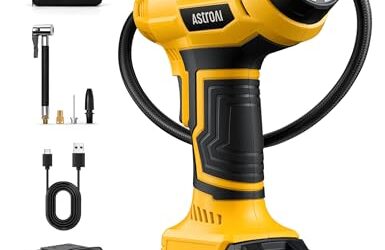
Check the spare tire, temporary spare, inflator, sealant, jack, and lug-wrench fit. Some vehicles carry a sealant kit instead of a spare. Sealant may have an expiration date, and some tire damage cannot be repaired with it.
Winter tires can provide more cold-weather grip than all-season tires in conditions where their compound and tread are suited to the road. Fit four matching tires unless the vehicle maker gives another approved setup. Mixing tire types can alter handling and traction-control behavior.
Carry chains or approved traction devices when routes require them. Fitment depends on tire size, wheel size, drivetrain, suspension clearance, and model year. Some vehicles prohibit chains on certain axles or require a specific low-clearance device. Practice installation in a dry location before departure.
See what a tire-pressure gauge with memory can store if you need to track pressure across several tires and trips. For general tire safety guidance, review NHTSA tire information.
Test the battery and charging system
Cold temperatures reduce available battery power while making the engine harder to turn. A battery that starts normally in mild weather can fail after a cold soak. Have the battery and charging system tested before a long trip, especially if starting has slowed, headlights dim at idle, or the battery is several years old.
Inspect terminals for corrosion and check that connections remain tight. Do not disconnect a battery on a modern vehicle without checking the manual. Some vehicles need power-loss procedures for window indexing, radio security, steering-angle data, idle learning, or battery-management registration.
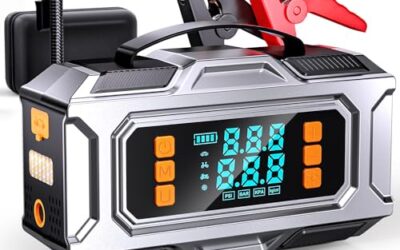
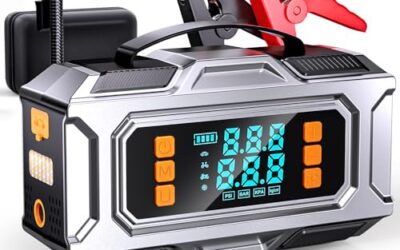
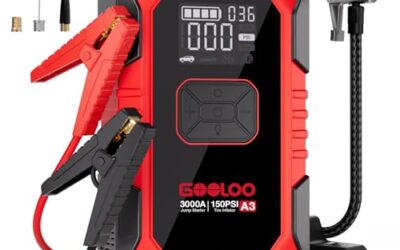
Carry a jump starter or jumper cables only when you know their limits. Voltage, peak-current claims, cable order, grounding points, and hybrid or EV procedures vary. Never connect equipment to high-voltage EV wiring or orange connectors. Follow the vehicle and device manuals.
For a gasoline or diesel vehicle, check engine oil, coolant, brake fluid, transmission fluid, power-steering fluid where fitted, and windshield-washer fluid. Look for leaks under the vehicle and around hoses. Use only fluid grades approved for that model year and engine.
Coolant needs protection against freezing at the lowest expected temperature. A correct mixture matters more than adding random antifreeze. Never open a hot pressurized cooling system. A low coolant level can indicate a leak, not normal winter consumption.
Prepare visibility systems
Replace wiper blades that chatter, smear, split, or leave large blind areas. Fill the reservoir with winter-rated washer fluid suited to expected temperatures. Summer fluid can freeze in the tank, lines, or spray nozzles.
Clean the inside and outside of all glass. Film inside the windshield increases glare and fogging. Remove snow and ice from the roof, hood, trunk, mirrors, lights, license plate, cameras, and radar areas before moving.
Check low beams, high beams, turn signals, brake lamps, reverse lamps, fog lamps, and license-plate lamps. LED assemblies may require replacement of a complete unit rather than a simple bulb. Confirm bulb and connector fitment by model year before buying parts.
Use the climate system to clear fog. Air conditioning often helps remove cabin moisture even when heat is selected. Do not drive with blocked glass or depend on a hand scraper while moving.
Inspect brakes, suspension, and controls
Brake pull, grinding, vibration, a soft pedal, or a warning lamp needs attention before winter travel. Snow and ice can hide road hazards, so predictable braking matters. Do not assume an electronic warning disappears because a code was cleared.
Check steering response, suspension noise, wheel alignment, and parking-brake operation. Uneven tire wear, a vehicle that drifts, or repeated steering correction can point to a fault that becomes harder to manage on snow.
Test the heater and defroster before leaving. Confirm that cabin vents direct air where selected. Check seat belts, child-seat anchors, door latches, and cargo tie-downs. Keep luggage below window height when possible.
Pack a winter roadside kit
Keep the kit inside the passenger area when possible. A locked trunk becomes difficult to access after a slide or collision.
| Item | Use | Compatibility or limit |
|---|---|---|
| Ice scraper and snow brush | Clear glass, lamps, and sensors | Never use hot water on frozen glass. |
| Warm clothing, gloves, hat, and blanket | Protect occupants during a delay | Pack enough for every traveler. |
| Flashlight and spare batteries | Support inspection after dark | Keep batteries warm and dry. |
| Reflective vest and warning markers | Improve visibility outside the vehicle | Use only where road conditions permit. |
| First-aid kit, water, and shelf-stable food | Support occupants during a long wait | Check expiration dates. |
| Portable charger and vehicle charging cable | Keep phones usable | Match cable connectors and phone ports. |
| Traction aid and shovel | Clear loose snow and improve tire contact | Do not stand in traffic lanes. |
| Basic tools and tire equipment | Handle simple tire or accessory issues | Do not attempt unsafe roadside repairs. |
Carry medication, contact lenses, pet supplies, and paper copies of key phone numbers when needed. Keep the fuel tank above the level you normally use for short trips. For EVs, keep more charge available for detours, cold-weather range loss, cabin heat, and charger queues.
Plan the route, weather, and fuel or charging stops
Check the forecast for every major segment, not only departure and arrival cities. Weather can change across elevation, open plains, mountain passes, and lake-effect zones. Review road closures, chain controls, construction, and charging-station status before departure.
Gasoline vehicles may need extra time for fuel stops during storms. EV drivers need a wider charging plan because cold temperatures can reduce range and slow battery charging. Precondition an EV while connected to power when the vehicle supports that function. Exact behavior varies by model year, battery temperature, software version, charger type, and phone app.
Download maps or save offline directions. Tell someone the route and expected arrival time. Keep a charged phone, but do not depend on cellular service in remote areas. Driver-assistance systems can lose performance when snow, ice, salt, glare, or road spray blocks cameras, radar, or sensors.
Departure-day checklist
- Check weather, road status, and travel advisories.
- Remove all snow and ice from the vehicle.
- Measure cold tire pressure and inspect the spare or repair kit.
- Confirm fuel level or charging plan.
- Start the vehicle and check warning lamps.
- Test lights, wipers, washer spray, heater, and defroster.
- Secure cargo and place emergency gear within reach.
- Save route details and share the plan.
- Delay travel if roads or visibility become unsafe.
Common mistakes
- Using tire sidewall pressure instead of the vehicle label.
- Replacing one worn tire on an all-wheel-drive vehicle without checking the manual.
- Pouring hot water on frozen windows.
- Leaving snow on the roof, where it can slide onto glass or other vehicles.
- Using summer washer fluid in freezing weather.
- Assuming all tire chains fit every wheel and tire combination.
- Relying on a phone, EV app, or charging network without an offline backup.
- Ignoring a battery warning, brake warning, coolant leak, or tire-pressure alert.
- Running a gasoline engine inside a garage or enclosed space.
When to get professional help
Use a repair shop before travel for battery test failures, coolant leaks, brake symptoms, steering problems, repeated TPMS warnings, damaged tires, overheating, charging faults, or warning lamps that remain on. Hybrid and EV high-voltage systems need trained service personnel. Do not remove orange covers, probe high-voltage connectors, or attempt collision-damaged battery repairs.
Stop driving when visibility becomes poor, the vehicle loses traction repeatedly, the temperature gauge rises, the brake pedal changes, or a warning indicates a serious fault. Move to a safe location when possible and contact roadside assistance or emergency services.
Gear that can help
If you need battery chargers and maintainers or jump starters for this job, these picks already appear in our battery chargers and maintainers guides. Check the full guide for fit and who should skip each one.

Pros
- Supports multiple 6V and 12V battery types
- Combines 15A charging with a maintain/float function
- Provides digital voltage and charge-status information
- Includes reverse hook-up protection
Cons
- The listing does not include dimensions, warranty information, or included accessories
Specifications
| Color | Black |
|---|---|
| Size | Battery Charger and Maintainer |
| Dimensions | 9.96 x 4.29 x 10.03 inches |
| Weight | 2.7 pounds |
| Product Group | Automotive Parts and Accessories |
| Binding | Automotive |
Best For / Avoid If
Best for buyers prioritizing
- Supports multiple 6V and 12V battery types
- Combines 15A charging with a maintain/float function
- Provides digital voltage and charge-status information
Consider another option if
- The listing does not include dimensions, warranty information, or included accessories

Pros
- Supports multiple lead-acid battery types, including AGM, Gel, SLA, VRLA, flooded, maintenance-free, deep-cycle, marine, and powersport batteries
- Compatible with LiFePO4 lithium-ion batteries
- Designed for use with cars, motorcycles, lawn mowers, ATVs, UTVs, tractors, trucks, SUVs, RVs, boats, and other listed vehicles
Cons
- Only 6V and 12V battery support is specified
- Force Mode is required to charge batteries that have reached zero volts
Specifications
| Color | Black |
|---|---|
| Size | 5A |
| Dimensions | 4.61 x 3.43 x 7.95 inches |
| Weight | 1.59 pounds |
| Product Group | Automotive Parts and Accessories |
| Binding | Electronics |
Best For / Avoid If
Best for buyers prioritizing
- Supports multiple lead-acid battery types, including AGM, Gel, SLA, VRLA, flooded, maintenance-free, deep-cycle, marine, and powersport batteries
- Compatible with LiFePO4 lithium-ion batteries
- Designed for use with cars, motorcycles, lawn mowers, ATVs, UTVs, tractors, trucks, SUVs, RVs, boats, and other listed vehicles
Consider another option if
- Only 6V and 12V battery support is specified
- Force Mode is required to charge batteries that have reached zero volts

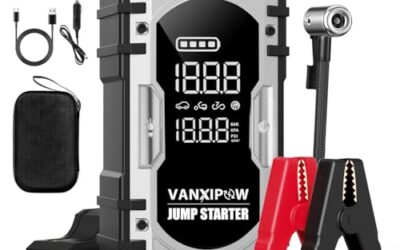
Pros
- Supports a stated range of gas and diesel engine sizes
- Combines jump-starting capability with power-bank and emergency-light functions
- Includes reverse-polarity, short-circuit, overheating, overvoltage, overload, deep-discharge, and overcurrent protections
- Provides a built-in handle for portability
Specifications
| Color | Gray-blue |
|---|---|
| Dimensions | 7.4409448743 x 3.6614173191 x 1.7716535415 inches |
| Weight | 1.4109584768 pounds |
| Product Group | Automotive Parts and Accessories |
| Binding | Automotive |
Best For / Avoid If
Best for buyers prioritizing
- Supports a stated range of gas and diesel engine sizes
- Combines jump-starting capability with power-bank and emergency-light functions
- Includes reverse-polarity, short-circuit, overheating, overvoltage, overload, deep-discharge, and overcurrent protections
FAQ
How far ahead should I prepare my car for winter travel?
Inspect the car one to two weeks before departure when possible. This leaves time for parts, tire work, battery testing, and repairs. Repeat the tire, fluid, light, and weather checks on departure day.
Should I lower tire pressure for snow?
No. Use the vehicle maker’s cold-pressure specification unless the manual gives a specific temporary procedure. Lower pressure can hurt handling, damage tires, and trigger TPMS warnings.
Do I need winter tires for one long trip?
It depends on temperatures, snow and ice exposure, route elevation, tire condition, and local rules. All-season tires may not offer the same cold-weather grip as winter tires. Tire type cannot replace safe speed and adequate following distance.
What should EV drivers check before winter travel?
Check battery charge, route chargers, connector type, payment access, app or firmware needs, cabin preconditioning, and a reserve for detours. Range and charging speed vary with temperature, vehicle model, battery condition, software, and charger power.
Can I drive after clearing a check-engine light?
A cleared light does not repair the fault. Read the code, note symptoms, and follow the manual or get diagnosis. A flashing check-engine light, overheating, severe shaking, or loss of power needs prompt attention.
Sources and further reading
- Tire Safety (NHTSA): Guidance on tire condition, pressure, and related safety checks.
- Check for Recalls (NHTSA): Search open safety recalls by vehicle identification number.
- Battery Council International: Battery information and resources for vehicle owners.