What does AGM mean on a battery? It means absorbed glass mat, a lead-acid battery design that holds its electrolyte in fine glass-fiber separators instead of letting liquid acid flow freely. AGM batteries can suit vehicles with high electrical demands, but they are not interchangeable with every battery or charger.
- AGM stands for absorbed glass mat.
- AGM is still a lead-acid battery, not a lithium battery.
- Vehicle fit depends on the required battery group, voltage, capacity, terminal layout, and charging system.
- Use a charger mode specifically suitable for AGM batteries and follow the vehicle and battery instructions.
What does AGM mean on a battery?
AGM describes how the battery contains its electrolyte. Thin glass-fiber mats sit between the lead plates and absorb the electrolyte. The battery remains a lead-acid design, but its acid is held in the separator rather than freely pooling inside the case.
This construction is commonly called a valve-regulated lead-acid, or VRLA, design. Valves manage gas pressure inside the sealed case. “Sealed” does not mean that a battery is indestructible, safe to open, or incapable of venting under fault conditions. Never pry open an AGM case.
The letters describe battery construction, not vehicle fitment, voltage, capacity, or quality grade. An AGM label alone cannot tell you whether a battery fits your car or meets its electrical needs.
How does an AGM battery work?
Like other lead-acid batteries, an AGM battery stores energy through chemical reactions involving lead plates and sulfuric acid. During charging and discharging, those reactions move electrical energy into or out of the battery. The glass mats hold electrolyte close to the plates, which supports the battery’s internal operation.
AGM batteries are generally less prone to electrolyte spills than conventional flooded batteries because the electrolyte is absorbed. That does not make them safe to puncture, crush, freeze, overheat, or charge incorrectly. Damage can still create hazards, including acid exposure, heat, or gas release.
AGM batteries often appear in vehicles with start-stop systems, high electrical loads, or a factory-specified AGM battery. Those are clues, not a universal rule. Some vehicles use other battery types, and some models offer different battery configurations depending on year, engine, trim, or equipment.
AGM vs. flooded lead-acid batteries
The practical difference is how the electrolyte is held and what that means for maintenance, placement, and charging. A flooded battery contains liquid electrolyte. An AGM battery holds electrolyte in glass-fiber mats and uses a valve-regulated case.
| Feature | AGM battery | Flooded battery |
|---|---|---|
| Electrolyte | Absorbed into glass-fiber separators | Free liquid inside battery case |
| Case design | Valve-regulated, sealed during normal use | May have removable vent caps, depending on design |
| Maintenance | Not topped up with water; do not open case | Some types may require electrolyte-level checks |
| Replacement choice | Use where the vehicle calls for AGM or permits it | Use only where vehicle specifications allow it |
| Charging | Use suitable AGM-compatible charging settings | Use charging mode suited to flooded batteries |
Neither type is automatically right for every vehicle. A battery must match the vehicle’s specified dimensions, terminal positions, electrical ratings, and battery technology. Choosing by appearance or price alone can lead to poor fit or charging problems.
Does your car need an AGM battery?
Your owner’s manual and the battery specification for your exact vehicle provide the best starting point. Check model year, engine, trim, and factory equipment. A listing for a similar car may not apply if its start-stop system, electrical load, or battery tray differs.
If the vehicle came with AGM, replacement with the same type is often the safest starting point. Some vehicles require a battery registration or battery-management reset after replacement. The procedure depends on vehicle make, model year, and equipment. Skipping a required procedure can affect charging behavior or battery monitoring.
Do not assume that a larger capacity, different chemistry, or physically similar battery will work. Check the specified battery group or dimensions, terminal arrangement, voltage, capacity, and starting rating. Most conventional passenger vehicles use a 12-volt battery, but the vehicle’s own specification controls. Some vehicles use auxiliary batteries or other configurations.
For a safe replacement sequence, see our guide to installing a car battery safely. If you are still deciding between a charger and a jump starter, our explainer on jump starters and smart chargers covers the difference in their roles.
Quick compatibility checklist
- Check the owner’s manual and battery label for the required battery type.
- Match voltage, physical size, terminal layout, and electrical ratings.
- Check whether the vehicle requires battery registration or a monitoring-system reset.
- Use model-year-specific service information when equipment or battery location differs.
- Do not replace AGM with flooded, or flooded with AGM, unless the vehicle maker allows that change.
Can you charge an AGM battery with a regular charger?
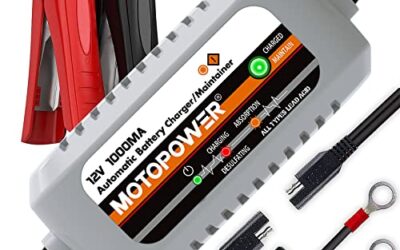
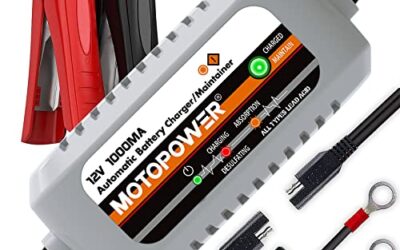
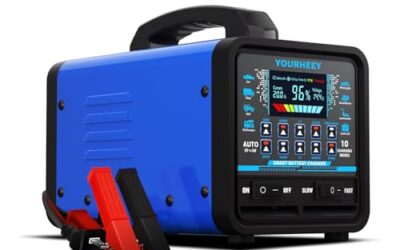
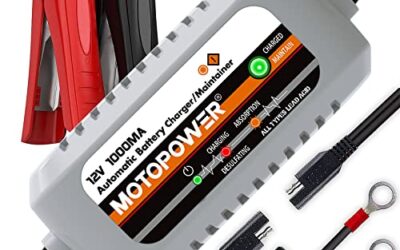
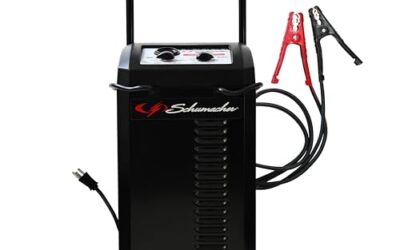
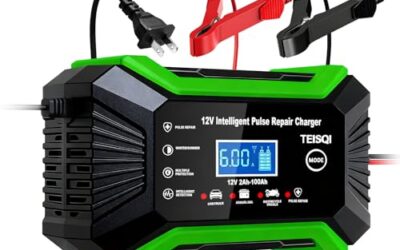
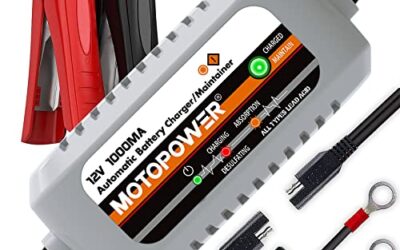
Some chargers support AGM batteries through a dedicated setting. Others may lack a suitable charging profile. Check the charger manual for AGM compatibility and follow its instructions for selecting the mode. Do not assume that a “12V” label alone makes a charger appropriate for every 12-volt battery.
Use the battery maker’s charging limits and the vehicle maker’s instructions where the battery remains connected to the car. Charger voltage and charging behavior matter. An unsuitable setting can damage a battery or shorten its service life. Avoid using a reconditioning, repair, or equalization mode on AGM unless the battery and charger instructions explicitly permit it.
Charge in a suitable, ventilated location, away from sparks and flames. Inspect the battery for cracks, swelling, leaks, or unusual heat before connecting a charger. Do not charge a damaged battery. Stop if the battery becomes hot, emits an unusual smell, or shows signs of damage. Follow the charger’s connection sequence and safety instructions.
For practical charging steps, read how to recharge a car battery safely. For cold-weather charging and maintenance considerations, see our guide to car battery chargers for winter.
Common AGM battery mistakes
- Assuming AGM means lithium: AGM is a lead-acid battery design. It uses different charging requirements from lithium battery types.
- Replacing by size alone: A battery that fits the tray may still have the wrong technology, terminals, capacity, or starting rating.
- Using a charger without checking its mode: Confirm that charger instructions support AGM and select the correct setting.
- Switching battery type without checking the vehicle: Some charging systems and battery monitors are calibrated for a specified type.
- Opening the case: AGM batteries are not intended for routine internal service. Do not remove covers or add water.
- Assuming sealed means risk-free: A damaged or incorrectly charged battery can still vent gas or become hot.
- Ignoring replacement registration: Some vehicles require a reset or battery registration after installation. Check service information for your exact model year.
When to get professional help
Ask a qualified technician if the replacement battery specification is unclear, the battery is difficult to access, or the vehicle has multiple batteries. Get help if the battery is swollen, cracked, leaking, hot, or gives off an unusual odor. Do not charge or install a visibly damaged battery.
Professional diagnosis also makes sense when a new or charged battery repeatedly goes flat. A weak battery can be one cause, but a charging-system fault, excessive electrical draw, loose connection, or another issue may produce similar symptoms. Replacing the battery without finding the cause may not solve the problem.
FAQ
Does AGM mean a 12-volt battery?
No. AGM describes battery construction, not voltage. Check the vehicle specification and battery label for voltage and other ratings.
Is an AGM battery maintenance-free?
AGM batteries are not topped up with water during normal service, and their cases should not be opened. They can still need correct charging, inspection, and replacement when worn or damaged.
Can I replace an AGM battery with a standard battery?
Only if the vehicle maker allows that battery type for your exact model and equipment. Battery technology can affect charging and battery monitoring, so do not assume a conventional flooded battery is an acceptable substitute.
Can an AGM battery freeze?
Yes. AGM is still a lead-acid battery. A discharged battery can be more vulnerable to freezing than a fully charged one. Follow battery-maker guidance and do not charge a frozen or damaged battery.
Sources and further reading
- Battery Council International: Find general information about lead-acid batteries, battery care, and recycling.