Menu

We independently review automotive electronics and diagnostic tools. When you buy through links on our site, we may earn a commission at no extra cost to you. Learn more ›

Vehicle Tracking & Safety Technology

Understand GPS tracking, connectivity, subscriptions and driver-assistance accessories. Follow guides for setup and troubleshooting, then compare equipment for the vehicle and use case you actually have.

84+ Reviews
Updated daily
Radar Detector False Alerts Explained

Radar Detector False Alerts Explained

Radar detectors can trigger false alerts from various sources, leading to frustration for drivers. This guide explains common causes like weather, other devices, and vehicle issues, and provides tips to minimize them without guessing.
Daniel Carter Aug 21, 2026
GPS Lockout on Radar Detectors Explained

GPS Lockout on Radar Detectors Explained

GPS lockout is a feature in radar detectors that disables alerts in areas with known radar locations using GPS. It helps drivers avoid false warnings while maintaining focus on the road.

Daniel Carter Aug 21, 2026
Radar Detector Bands Explained

Radar Detector Bands Explained

Radar detector bands are the specific frequency ranges that radar detectors are tuned to detect. These bands help drivers identify the type of radar being used by law enforcement for speed enforcement. Understanding these bands is crucial for interpreting detector alerts and choosing the right equipment.

Daniel Carter Aug 21, 2026
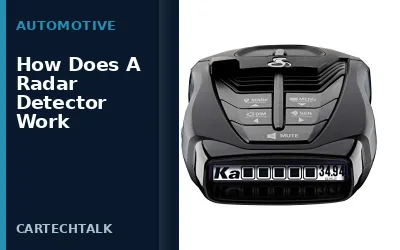
How Radar Detectors Work

How Radar Detectors Work

Radar detectors detect police radar by scanning for specific frequency bands and alerting drivers with audio and visual signals. They use sensitive receivers to identify X, K, and Ka band signals. This guide explains the technology, limitations, and legal aspects of using radar detectors in vehicles.

Daniel Carter Aug 21, 2026
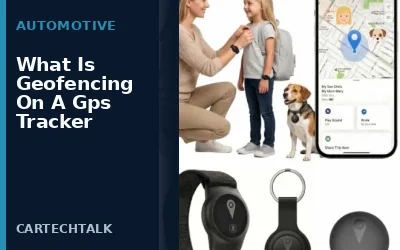
Geofencing on GPS Trackers: Virtual Boundaries Explained

Geofencing on GPS Trackers: Virtual Boundaries Explained

Geofencing on a GPS tracker allows users to define virtual boundaries that trigger instant alerts when crossed. This technology is key for vehicle tracking, safety, and asset protection, offering real-time location monitoring and notifications.

Daniel Carter Aug 21, 2026
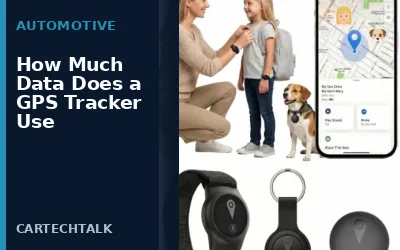
How Much Data Does a GPS Tracker Use

How Much Data Does a GPS Tracker Use

A GPS tracker uses data to transmit location information from your vehicle to a monitoring device or app. The amount of data consumed depends on several factors including update frequency and additional features. Typically, a basic GPS tracker might use between 1 to 5 megabytes of data per month, but this can vary widely based on settings and usage.

Daniel Carter Aug 21, 2026
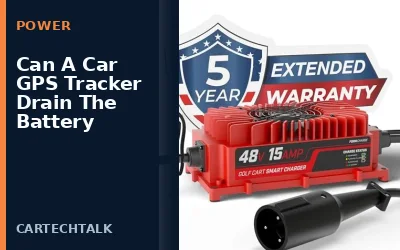
Can A Car GPS Tracker Drain The Battery

Can A Car GPS Tracker Drain The Battery

Yes, a car GPS tracker can drain your vehicle's battery, but the extent depends on usage and model. Learn how to minimize drain and identify if your battery is affected.

Daniel Carter Aug 21, 2026
GPS Tracker Wrong Location Fix

GPS Tracker Wrong Location Fix

GPS trackers can display incorrect locations due to signal interference, outdated firmware, or setup issues. This article outlines common causes and provides a step-by-step troubleshooting guide to help you diagnose and fix the problem.

Daniel Carter Aug 21, 2026
GPS Tracker Not Updating? Common Causes and Fixes

GPS Tracker Not Updating? Common Causes and Fixes

A GPS tracker not updating its location can be due to power problems, signal issues, or software glitches. This article explains the reasons and provides a step-by-step guide to troubleshoot and resolve the issue.

Daniel Carter Aug 21, 2026
OBD vs Hardwired GPS Trackers: Comparison

OBD vs Hardwired GPS Trackers: Comparison

An OBD GPS tracker plugs into the vehicle's OBD-II port for quick setup and removal, while a hardwired GPS tracker is permanently installed in the car's wiring. The choice depends on priorities for convenience versus long-term monitoring.

Daniel Carter Aug 21, 2026