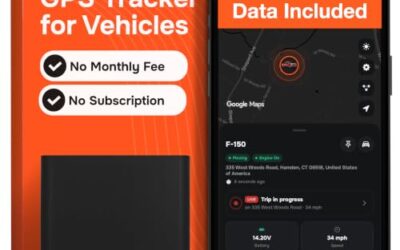
Yes, a car GPS tracker can drain the battery of your vehicle. The drain occurs because GPS trackers require power to operate their GPS receivers, microprocessors, and cellular modules. While many modern trackers are designed with power-saving features, continuous use can lead to reduced battery life, especially in vehicles with sensitive electronics or if the tracker is not properly installed.
This article explores the factors that influence battery drain from GPS trackers, how to prevent it, and when to seek professional assistance. Understanding these aspects helps you maintain your vehicle’s battery health while using tracking technology for safety and security.
Key Takeaways
- GPS trackers consume power primarily from the GPS module and cellular connection.
- Drain can be minimized by using low-power modes and scheduling updates.
- Signs of drain include slow cranking, dim lights, or warning lights on the dashboard.
- Always check compatibility with your vehicle’s electrical system.
- Professional installation ensures proper power management.
How GPS Trackers Work
GPS trackers are devices that use satellite signals to determine the location of a vehicle. They typically consist of a GPS receiver, a microcontroller for processing data, a battery or power source, and a cellular modem for transmitting location data to a monitoring platform. Some models also include additional sensors for movement detection or environmental monitoring.
The GPS receiver is the most power-intensive component because it needs to constantly search for satellite signals. Once location is determined, the data is sent via cellular network. In vehicles, the tracker is often hardwired to the car’s 12-volt electrical system, allowing it to draw power when the vehicle is running or sometimes when off.
The cellular modem is another significant consumer of power, as it needs to maintain a connection to the network to send data. In areas with poor cellular coverage, the tracker may work harder to establish a connection, increasing power usage. Additionally, if the tracker includes features like geofencing or speed alerts, these can trigger additional processing and data transmission, further impacting battery life.
It’s important to note that GPS trackers are typically powered by the vehicle’s 12-volt system, which is standard in most passenger vehicles in the United States. However, some commercial or fleet vehicles may use different voltage systems, which could affect compatibility and power draw. Vehicle model-year can play a role because newer models have more advanced electronics that may respond differently to added loads.
Factors That Influence Battery Drain
Tracking Frequency and Update Intervals
The frequency at which a GPS tracker sends location updates significantly affects battery consumption. Frequent updates require more power from the cellular module to transmit data. Conversely, setting the tracker to update less often can reduce drain but may compromise real-time tracking capabilities.
Many trackers offer configurable settings for update intervals, allowing users to balance tracking needs with power efficiency. For instance, setting updates to every few minutes instead of continuously can extend battery life considerably. Users should consider their specific needs, such as whether they require constant monitoring or can manage with periodic checks.
Power Modes and Features
Advanced GPS trackers come with low-power modes that activate when the vehicle is stationary. These modes reduce GPS and cellular activity to conserve energy. However, if a tracker lacks these features or if the mode is not enabled, the battery can drain faster, especially in vehicles that sit for long periods.
Some trackers are designed to work with the vehicle’s ignition, turning off when the car is off to prevent unnecessary drain. Compatibility with different vehicle models is important because newer vehicles may have different power management systems or start-stop technology that affects overall battery health. Always verify that the tracker supports your vehicle’s year and model to avoid compatibility issues.
Installation and Wiring
Proper installation is key to minimizing battery drain. If the tracker is connected incorrectly, it might draw power even when the vehicle is off, leading to constant drain. Hardwired installations that tap into the ignition-switched power source are preferred over always-on connections.
Using a relay or smart switch can help control when the tracker receives power, ensuring it only operates when needed. Always ensure the installation does not interfere with the vehicle’s electrical system or safety features. Professional installers can assess the best method for your specific setup.
Signs That Your Battery Is Being Drained by a GPS Tracker
Recognizing the symptoms of battery drain caused by a GPS tracker can help you address the issue promptly. Common signs include difficulty starting the vehicle, especially in cold weather, dashboard warning lights indicating low battery, dim headlights or electrical issues, shortened time between battery charges, and unexpected loss of power while the vehicle is parked.
Other potential causes for battery drain include faulty alternators, loose battery terminals, or parasitic drains from other aftermarket accessories. However, if the symptoms appear after installing a GPS tracker, it’s a good indication to investigate further. It’s also worth noting that battery drain can be gradual, so monitoring over time is important.
Common Mistakes When Using GPS Trackers
One common mistake is assuming that all GPS trackers have the same power consumption characteristics. Different models vary in their efficiency, with some being more suitable for battery-conscious applications than others. Users may also overlook the importance of enabling low-power modes or scheduling updates.
Another mistake is not considering the vehicle’s specific requirements. For example, in vehicles with advanced driver assistance systems or hybrid powertrains, the electrical load can be higher, making any additional drain more noticeable. Ignoring these factors can lead to unexpected battery issues.
Additionally, some users install trackers without monitoring their impact, leading to gradual battery degradation over time. Regular checks and adjustments are essential to maintain optimal performance. Failing to review the tracker’s settings periodically can result in unexpected drain.
How to Minimize Battery Drain from GPS Trackers
To reduce the risk of battery drain, consider the following strategies:
- Choose a tracker with low-power features and configurable settings. Look for models that offer options to adjust power usage based on your needs.
- Set appropriate update intervals based on your needs. This helps balance tracking effectiveness with energy conservation.
- Use smart installation methods that control power based on vehicle status. This ensures the tracker only draws power when the vehicle is in use.
- Monitor battery health regularly using a multimeter or vehicle diagnostic tool. Early detection of issues can prevent major problems.
- Consider external power solutions if the tracker is used in high-demand scenarios. This can provide a stable power source independent of the vehicle’s battery.
These steps can help ensure that your GPS tracker enhances vehicle tracking and safety without compromising your battery’s longevity. It’s also beneficial to stay informed about the latest technologies in vehicle tracking that may offer better power efficiency.
When to Get Professional Help
If you suspect that a GPS tracker is causing significant battery drain, or if you are experiencing persistent electrical issues, it is advisable to consult a professional automotive technician. They can diagnose the root cause, check for proper installation, and ensure that no other components are contributing to the problem.
Professional help is also recommended if you are unsure about the compatibility of the tracker with your vehicle or if the installation requires modifications to the vehicle’s wiring or electronics. Technicians can provide guidance tailored to your specific vehicle model and year.
Remember that while GPS trackers are generally safe when installed correctly, improper handling can lead to complications. Always prioritize safety and consult experts when in doubt. They can also help with any warranty considerations related to your vehicle’s electrical system.
Table of Factors Affecting Battery Drain
| Factor | Description | Potential Impact |
|---|---|---|
| Tracking Frequency | Number of location updates sent per day | High – More frequent updates increase cellular and processing power use |
| Power Saving Modes | Availability and activation of low-power settings | Medium to High – Enabling these can significantly reduce drain |
| Installation Method | Hardwired ignition-switched vs constant power | High – Incorrect installation can cause drain even when vehicle is off |
| Vehicle Electrical System | Vehicle model year, voltage, and features like start-stop | Medium – Newer vehicles may have different responses to added loads |
| Cellular Coverage | Quality of signal in the operating area | Medium – Poor coverage can lead to more attempts to connect |
This table provides a general overview of how various factors can affect battery performance. Always consult the tracker’s documentation for specific guidance.
Understanding Compatibility Limits
Compatibility with your vehicle is an important consideration when using a GPS tracker. The tracker’s power requirements must align with your vehicle’s electrical system to avoid issues. Factors such as the vehicle’s voltage, which is typically 12 volts in the US, and any special features like dual batteries in trucks or RVs should be taken into account. Always ensure that the tracker can handle the load without causing overloads or interference with other systems.
Regional differences may also play a role, as some areas have stricter regulations on vehicle modifications. However, the primary focus should be on safe and effective installation.
FAQ
Can a car GPS tracker drain the battery?
Yes, GPS trackers can drain the battery, but the extent depends on usage patterns, tracker features, and installation. By using low-power modes and proper setup, the impact can be minimized.
How can I prevent my GPS tracker from draining my car’s battery?
Prevent drain by selecting trackers with low-power modes, scheduling updates, ensuring proper installation, and monitoring battery performance.
What are the signs that my car’s battery is being drained by a GPS tracker?
Signs include slow starting, dim lights, warning lights, and frequent need for battery jumps or replacements.
Are there ways to reduce battery drain from GPS trackers?
Yes, use low-power settings, limit tracking frequency, and opt for smart power management solutions.
Do all GPS trackers drain the battery?
No, many modern trackers are designed to have minimal impact with power-saving features, but some may still cause drain depending on configuration.