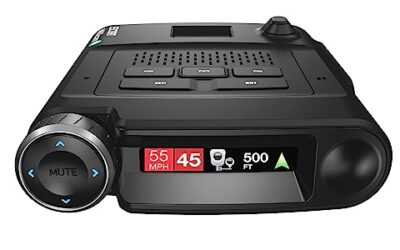
Radar detector bands refer to the specific frequency ranges that radar detectors are tuned to detect. These bands allow drivers to identify the type of radar being used by law enforcement for speed enforcement. Understanding these bands is crucial for interpreting detector alerts and choosing the right equipment.
Key takeaways
- Radar detector bands are the frequency ranges like X, K, Ka, and Laser that detectors scan for.
- Each band has different detection characteristics and police usage patterns.
- Knowing the bands helps in understanding alerts and selecting appropriate detectors.
- Detectors can be limited by new technologies like POP and Arrow radar.
What Are Radar Detector Bands?
Radar detectors work by scanning for specific microwave frequencies used by police radar guns. These frequencies are grouped into bands, each with unique properties. The bands are X-band, K-band, Ka-band, and Laser (which is often treated separately). Some detectors also have specific modes for POP and Arrow radar.
Historically, police used X-band radar, which was the first to be detected by early detectors. Over time, technology advanced, and new bands were introduced to combat the use of radar detectors. Understanding these bands is essential for any driver who wants to stay informed about potential speed enforcement.
The X-Band Radar
X-band operates at 10.525 GHz. It is the most common band used by police for speed measurement. X-band radar is relatively easy for detectors to detect, with a range of about 1/2 mile in ideal conditions. However, it is also used by some speed control devices and can be found in some states for red light cameras or tolls.
Because it is common, many detectors have high sensitivity to X-band, but this can lead to more false alerts from non-police sources. Drivers should be aware that X-band is not exclusively for police and can be used in various applications.
The K-Band Radar
K-band is at 24.150 GHz. It is used for instant-on radar, meaning the radar gun is activated only when the vehicle is in range, making it harder for drivers to anticipate. K-band has a shorter detection range, around 1/4 mile. Some detectors have a separate K-band mode to alert specifically for this band.
K-band is less common than X-band but still widely used. The pulsed nature of some K-band signals can make them harder to detect consistently. Understanding K-band is important because it represents a shift towards more covert speed enforcement methods.
The Ka-Band Radar
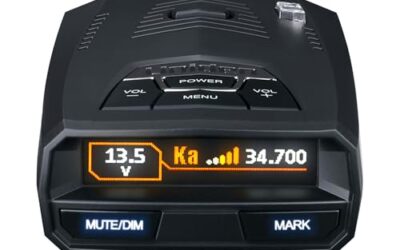
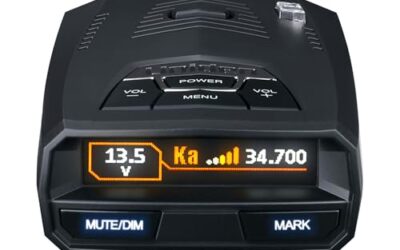
Ka-band operates at 34.700 GHz. This is a newer band that police use for more advanced radar systems, often for red light enforcement or to detect vehicles with radar detectors. Ka-band has a detection range of about 1/4 mile and is more difficult for some detectors to pick up because the frequencies are higher and signals are weaker.
Many high-end detectors have Ka-band filters to reduce false alerts from Ka-band sources like weather radar or other devices. Ka-band is considered more advanced and is often used in conjunction with other technologies to improve accuracy and reduce the effectiveness of radar detectors.
Laser and LIDAR
Laser, or LIDAR, uses infrared light at 904 nm, which corresponds to a frequency of about 33.2 THz. Unlike microwave radar, laser is not affected by weather conditions like rain or fog as much. It is very accurate and has a detection range of up to 1 mile. Laser detectors are separate from microwave bands and alert when laser is detected.
Some detectors combine laser detection with microwave bands. The use of laser has increased because it is difficult to detect visually and can be used in various weather conditions. Understanding laser detection is important for drivers who want to know when they are being monitored with this technology.
POP and Arrow Radar
POP radar, or Pulse on Pop, is a type of K or Ka band radar that uses a short pulse to measure speed. It is designed to defeat radar detectors by changing frequency rapidly. Arrow radar is similar but uses a different pulse pattern.
Specialized detectors have modes to detect these pulsed signals. POP and Arrow represent the latest advancements in police radar technology aimed at countering the use of radar detectors. Drivers should be aware that these technologies can make traditional detectors less effective.
How Radar Detectors Work
Radar detectors use superheterodyne receivers to scan for these bands. They have multiple antennas or a single antenna with filters. When a signal is detected, the detector beeps or vibrates, and some have displays showing the band. Advanced detectors have GPS integration to alert for red light cameras or speed traps using databases.
The scanning process is continuous, and detectors are designed to be sensitive to these specific frequencies while ignoring others. The sensitivity can be adjusted in some models to reduce false alerts. Understanding the technical aspects of how detectors work can help in choosing the right model for your needs.
Limitations of Radar Detectors
Radar detectors have several limitations. They can be defeated by new technologies like POP and Arrow. They don’t detect all types of enforcement like LIDAR in some cases, though many do. False alerts are common from non-police sources. They don’t provide absolute speed measurement, just alerts. Additionally, they may not work in all vehicles due to antenna placement or electronic interference.
It is important to understand these limitations to set realistic expectations. Radar detectors are tools for awareness, not guarantees of safety or legality.
Choosing a Radar Detector Based on Bands
When choosing a radar detector, look for detectors that cover all major bands: X, K, Ka, and Laser. Consider features like POP mode, GPS, and sensitivity settings. Check for FCC approval and legality in your area. Some detectors offer voice alerts that announce the band, which can be helpful in busy traffic.
Consider the vehicle model year and any modifications that might affect antenna performance. Voltage and connector types should also be considered for installation. Compatibility with your vehicle’s electrical system is important for proper function.
Radar Detector Bands Comparison Table
| Band | Frequency | Description | Detection Range | Notes |
|---|---|---|---|---|
| X | 10.525 GHz | Standard speed radar | 1/2 mile | Most common, easy to detect |
| K | 24.150 GHz | Instant-on radar | 1/4 mile | Harder to detect, pulsed |
| Ka | 34.700 GHz | Advanced radar | 1/4 mile | Used for red light, filters recommended |
| Laser | 904 nm | LIDAR | 1 mile | Weather resistant, very accurate |
Common Mistakes
One common mistake is ignoring the band alerts and not adjusting driving habits. Another is relying solely on the detector without knowing the laws in your area. Some think that all detectors are the same, but sensitivity varies greatly. Others believe that radar detectors can replace safe driving practices, which is not the case.
Additionally, some drivers remove the detector when they see a police officer, which defeats the purpose. Always keep the detector active as long as you are driving.
When to Get Professional Help
If your detector is not working properly, or if you’re unsure about compatibility with your vehicle, consult a professional technician or the manufacturer’s support. Professional help can ensure proper installation and troubleshooting of any issues with your radar detector system.
Remember that radar detectors are not a substitute for following traffic laws and driving safely. If you have questions about your specific setup, seeking expert advice is recommended.
FAQ
What do radar detector bands mean?
Radar detector bands mean the specific frequency ranges that radar detectors are tuned to detect. These include X, K, Ka, and Laser bands, each used differently by police for speed enforcement.
How do I know which band is alerting?
Most radar detectors have a display or voice that tells you the band. Some models show the band on a screen, while others use voice alerts to announce the band name.
Are all radar detectors the same?
No, detectors vary in sensitivity, features, and the bands they cover. Some are basic and cover only X and K, while others include Ka and Laser with advanced filtering.
Can radar detectors be defeated?
Yes, new technologies like POP and Arrow radar can make traditional detectors less effective. Always stay informed about the latest enforcement methods.
Is it legal to use a radar detector?
Laws vary by state and country. In some places, radar detectors are illegal, while in others they are allowed. Check local laws before using one.