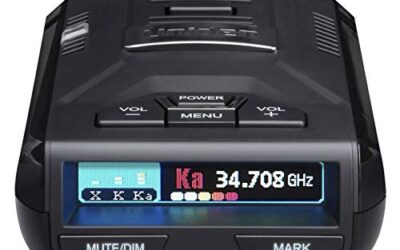
What Is GPS Lockout on a Radar Detector
GPS lockout is a feature in many radar detectors that prevents the device from alerting when it detects a GPS signal from a known radar location. This technology allows drivers to avoid false alerts in areas where radar is commonly deployed, such as highways or city streets with speed cameras.
By integrating GPS technology, the radar detector can recognize specific zones and disable its alerts automatically. This helps maintain driver focus and reduces distraction from constant beeping.
Key takeaways include understanding that GPS lockout is not a complete disable but a location-based feature, requiring regular database updates for effectiveness, and being aware of its limitations in accuracy and compatibility.
Understanding the Technology Behind GPS Lockout
The core of GPS lockout lies in the combination of GPS receivers and preloaded databases. Radar detectors equipped with this feature contain a GPS chip that receives signals from satellites to pinpoint the vehicle’s exact location. Manufacturers compile extensive lists of locations where radar guns have been reported to be used.
When the detector’s GPS coordinates fall within a predefined radius of these locations, it suppresses the radar detection signals. This suppression is typically silent or can be set to visual only, depending on user preference. The process is designed to be automatic and requires no manual intervention once enabled.
It’s important to note that this feature relies on the quality and currency of the database. Manufacturers often update these databases through firmware or software updates available on their websites or through companion apps.
The Role of Geofencing in GPS Lockout
Geofencing is the technical term for defining boundaries around locations. In radar detectors, geofences are set around known radar sites. The detector treats any point inside these geofences as locked out, meaning no alerts are issued.
This technology has evolved over the years. Early versions used basic GPS, but modern detectors use assisted GPS (A-GPS) for faster and more accurate location fixes, especially in challenging environments like tunnels or dense urban areas.
Benefits of Implementing GPS Lockout
One major benefit is the reduction in alert fatigue. Drivers frequently encounter situations where they know there is no radar in a particular area, leading to ignored alerts. GPS lockout eliminates these false positives, allowing the driver to pay closer attention to genuine threats.
It can improve overall driving experience by minimizing distractions. Constant alerts can cause stress and reduce situational awareness. With lockout active, drivers can focus on the road, traffic, and other vehicles.
Additionally, in regions with high radar usage, such as certain states in the US with strict speed limits, GPS lockout can make commuting more pleasant and less stressful. It encourages safer driving practices by not relying solely on the detector.
Limitations and Potential Drawbacks
Despite its advantages, GPS lockout has several limitations. GPS accuracy can be compromised by various factors, including signal interference from buildings or weather conditions. In some cases, the detector may not detect the exact location, leading to either missed lockouts or unnecessary alerts.
Compatibility is another issue. Not all radar detectors support GPS lockout. Older models or budget versions may lack the necessary hardware or software. Users should check the specifications of their detector to ensure it has this feature.
Database limitations mean that new radar locations may not be covered until updated. This can create a false sense of security if the user assumes all areas are locked out when they are not.
Legal and ethical considerations: While GPS lockout is generally legal, it is important to use it responsibly. It should not be used to intentionally avoid law enforcement in a way that could be seen as evading detection. Always drive at safe speeds and follow traffic laws.
How to Enable and Use GPS Lockout
Enabling GPS lockout typically involves accessing the detector’s menu settings. Most models have a specific option for ‘Lockout’ or ‘GPS Disable’. Users can select to enable it and choose the level of alerts to suppress, such as radar only or including laser.
Once enabled, the feature activates automatically based on location. Some detectors may require a one-time setup or confirmation. It’s advisable to read the user manual for model-specific instructions.
Regularly checking for firmware updates is essential to ensure the GPS lockout functions correctly with the latest database information.
Comparison of Features
| Feature | With GPS Lockout | Without GPS Lockout |
|---|---|---|
| Alert Behavior | Suppressed in known zones | Alerts in all areas |
| False Positives | Reduced | High |
| Database Dependency | Yes | No |
| Compatibility | Model-specific | All detectors |
Common Mistakes to Avoid
One common mistake is misunderstanding that GPS lockout disables all types of radar detection. It primarily targets traditional radar guns but may not affect LIDAR or other emerging technologies.
Another mistake is not updating the database. Users who ignore updates may find the feature less effective over time.
Some drivers use GPS lockout as a blanket disable, which can be dangerous if they are in an area without radar but the lockout is not active.
Over-reliance on the feature can lead to complacency, where drivers fail to scan for other hazards on the road.
When to Seek Professional Assistance
If your radar detector is not functioning as expected with GPS lockout, it could indicate a need for professional diagnosis. This might include issues with the GPS module, software glitches, or hardware damage.
Consulting the manufacturer or an authorized service center is recommended for troubleshooting complex problems. They can provide guidance on firmware updates or repairs.
For vehicle-specific compatibility, such as with certain models that have unique electrical systems, ensure the detector is properly installed and powered.
Future Trends in Radar Detection Technology
The future of radar detectors may include more advanced GPS lockout features, such as integration with smartphone apps for real-time updates or AI-driven database management. As technology advances, expect more seamless integration with vehicle systems for even better safety.
Additionally, the rise of new radar technologies like LIDAR may prompt manufacturers to develop more sophisticated lockout systems that cover a broader range of detection methods.
Gear that can help
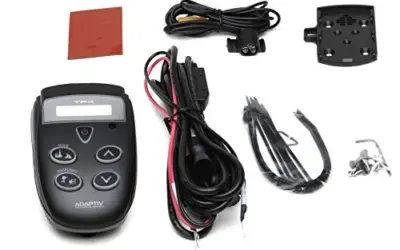
If you need radar detectors for this job, these picks already appear in our radar detectors guides. Check the full guide for fit and who should skip each one.

Pros
- Dual-antenna design provides 360-degree radar directional awareness.
- Built-in GPS can remember and automatically mute specified false alerts.
- Voice alerts communicate threat information without requiring the driver to look at the detector.
- Red-light and speed-camera alerts are supported through a pre-loaded database.
Cons
- The listing covered shows an Amazon rating of 4.8 from 0 reviews, so no review volume is available for context.
Specifications
| Dimensions | 4.9 x 3.5 x 1.5 inches |
|---|---|
| Product Group | Wireless |
| Binding | Electronics |
Best For / Avoid If
Best for buyers prioritizing
- Dual-antenna design provides 360-degree radar directional awareness.
- Built-in GPS can remember and automatically mute specified false alerts.
- Voice alerts communicate threat information without requiring the driver to look at the detector.
Consider another option if
- The listing covered shows an Amazon rating of 4.8 from 0 reviews, so no review volume is available for context.

Pros
- Provides directional radar awareness and GPS-enabled location features
- Includes multiple false-alert filtering and connected-alert features
- Includes mounting, power, and travel-case accessories
Cons
- The specifications list the size as "Radar Detector + Dash Cam," while the feature details describe radar-detector functions
Best For / Avoid If
Best for buyers prioritizing
- Provides directional radar awareness and GPS-enabled location features
- Includes multiple false-alert filtering and connected-alert features
- Includes mounting, power, and travel-case accessories
Consider another option if
- The specifications list the size as "Radar Detector + Dash Cam," while the feature details describe radar-detector functions

Pros
- Supports detection of radar, laser, and VG-2 signals
- Front and rear detection helps identify signals from either direction
- False-alert filtering is designed to reduce alerts from collision avoidance systems
- Compact 4.12 x 2.64 x 1.35-inch design weighs 0.63 pounds
Cons
- GPS functionality and app connectivity are not listed in the listing
- The product is specified for detection only
Specifications
| Color | Black |
|---|---|
| Size | Radar Detector |
| Dimensions | 4.12 x 2.64 x 1.35 inches |
| Weight | 0.63 Pounds |
| Product Group | Wireless |
| Binding | Electronics |
Best For / Avoid If
Best for buyers prioritizing
- Supports detection of radar, laser, and VG-2 signals
- Front and rear detection helps identify signals from either direction
- False-alert filtering is designed to reduce alerts from collision avoidance systems
Consider another option if
- GPS functionality and app connectivity are not listed in the listing
- The product is specified for detection only
FAQ
What exactly is GPS lockout on a radar detector?
GPS lockout is a feature that uses GPS to identify and disable radar alerts in specific locations where radar is known to be present.
How does GPS lockout differ from standard radar detection?
Standard detection alerts in all areas, while GPS lockout suppresses alerts only in predefined GPS zones.
Is GPS lockout legal in all situations?
It is generally legal, but drivers should always adhere to traffic laws and use it responsibly.
Can I use GPS lockout with any radar detector?
No, it requires a detector with GPS capability and a compatible database.
How often should I update the GPS lockout database?
Updates are recommended whenever new information is available from the manufacturer, typically every few months or as needed.
Conclusion
GPS lockout represents an important advancement in radar detector technology, offering drivers a way to enhance safety and reduce distractions. By understanding its workings, benefits, and limitations, users can make the most of this feature. Remember to drive safely and responsibly, using GPS lockout as a tool rather than a complete solution.