The best radar detector under $200 for most drivers is the Radenso XP Radar & Laser Detector with GPS because it combines GPS lockouts, low-speed muting, automatic sensitivity adjustment, and a ready-to-use setup. The Cobra RAD 490i Laser Radar Detector makes more sense for drivers who want front and rear laser detection, shared alerts, and Apple CarPlay or Android Auto support.
Pros
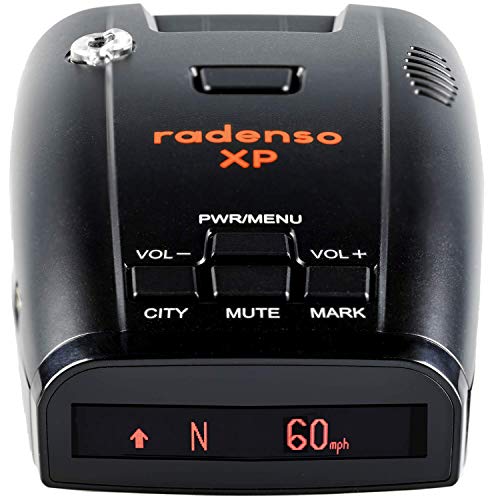
- Combines radar and laser detection in one device
- Includes GPS lockout functionality for regularly driven routes
- Designed for out-of-the-box setup with windshield mounting and plug-in power
- Provides low-speed muting and speed-based sensitivity adjustment
Specifications
| Color | Black |
|---|---|
| Dimensions | 4.5 x 2.75 x 1.5 Inches |
| Product Group | Wireless |
| Binding | Electronics |
Best For / Avoid If
Best for buyers prioritizing
- Combines radar and laser detection in one device
- Includes GPS lockout functionality for regularly driven routes
- Designed for out-of-the-box setup with windshield mounting and plug-in power

Pros
- Front and rear LIDAR detection provides coverage for signals approaching from either direction
- Adjustable sensitivity and filtering modes allow notification preferences to be changed
- Included USB-C power accessories and windshield mounting hardware support installation
- Detachable bracket and adjustable mount angle support positioning and visibility
Specifications
| Color | Black |
|---|---|
| Size | Small |
| Dimensions | 4.25 x 2.75 x 1.25 Inches |
| Weight | 0.3 pounds |
| Product Group | Wireless |
| Binding | Electronics |
Best For / Avoid If
Best for buyers prioritizing
- Front and rear LIDAR detection provides coverage for signals approaching from either direction
- Adjustable sensitivity and filtering modes allow notification preferences to be changed
- Included USB-C power accessories and windshield mounting hardware support installation
This guide covers two vehicle radar detectors priced within the stated budget. Both are plug-in windshield units, but their strengths differ. Radenso focuses on reducing repeated alerts along familiar routes. Cobra adds connected alerts, vehicle-display support, and front and rear LIDAR detection.
CarTechTalk may earn a commission from qualifying purchases. That does not change product selection or the conditions attached to each recommendation.
| Model | Best fit | Key advantage | Main tradeoff |
|---|---|---|---|
| Radenso XP Radar & Laser Detector with GPS | Daily commuters | GPS lockouts and low-speed muting | Less connected functionality than Cobra |
| Cobra RAD 490i Laser Radar Detector | Connected drivers | Shared alerts and Apple CarPlay and Android Auto support | Requires more interaction with connected features |
Radenso XP Radar & Laser Detector with GPS
Best for repeated commutes and quieter alerts
Radenso XP fits drivers who pass the same traffic signals, shopping centers, and roadway corridors each day. Its GPS Lockout feature lets the driver save a recurring false alert by pressing and holding a button. The detector then remembers that location for later trips, which can reduce repeated warnings on familiar routes.
The manufacturer describes its filtering as suitable for blind spot monitor and traffic monitor signals. That matters because modern driver-assistance systems can create radar-like alerts near busy roads and parking areas. Filtering can make the detector less distracting, although no filtering system removes every unwanted alert in every vehicle or location.
Low-speed muting adds another useful layer. The driver can choose a speed below which the detector stays quiet. Automatic sensitivity adjustment also changes detection behavior with vehicle speed, according to the product description. These controls suit city drivers who want fewer notifications during slow traffic but still want more active detection at road speed.
Radenso lists long-range radar alerts as reaching several miles in suitable conditions. That is a manufacturer claim, not a CarTechTalk measurement. Actual warning distance depends on terrain, road layout, traffic, signal type, weather, installation angle, and the equipment producing the signal.
Setup stays simple. The listing says the unit can be mounted to the windshield, connected to power, and used without changing settings. Windows and Mac computers can update the detector. That update path helps owners who prefer computer-based maintenance rather than a phone-centered system.
The tradeoff is a narrower connected experience. The listed feature list emphasizes onboard GPS filtering and computer updates, while Cobra includes Drive Smarter shared alerts and vehicle-display compatibility. Drivers who want community-sourced notifications or alerts shown through an infotainment screen may prefer Cobra.
Best for: commuters who drive known routes and want GPS lockouts, speed-based muting, and a low-interaction setup.
Skip it if: live shared alerts or Apple CarPlay and Android Auto display support matter more than route-based false-alert control.
Cobra RAD 490i Laser Radar Detector
Best for connected alerts and front and rear coverage
Cobra RAD 490i takes a different approach. It combines radar detection with Cobra’s LaserEye system, which the manufacturer says detects LIDAR signals from both the front and rear. That coverage direction matters for drivers who want alerts from signals approaching either end of the vehicle.
The unit also connects to the Drive Smarter community for shared alerts from other drivers. Apple CarPlay and Android Auto compatibility lets drivers view routes and interact with alerts through the vehicle display. This makes Cobra the stronger choice for drivers who already use those platforms and want detector information integrated into their normal driving screen.
Shared alerts depend on the connected service and participation around a driver’s route. They should supplement, not replace, the detector’s own signal detection. Community coverage can vary by location, travel time, and the number of nearby users.
Cobra lists an updateable IVT Filter and anti-falsing circuitry for signals from blind spot monitoring and other vehicle avoidance systems. Adjustable sensitivity and filtering modes let drivers choose how many notifications they receive. Extreme Mode favors maximum coverage and range according to the product description, but a more aggressive mode can also produce more alerts in signal-heavy areas.
Digital Signal Processing handles incoming signals and provides alerts, according to Cobra. That wording describes the detector’s processing system, not a guaranteed warning distance or reaction time in every driving environment.
Installation includes a USB-C power cord, USB-C to cigarette lighter adapter, adhesive windshield mount, and static cling film. The detachable bracket allows angle adjustment and makes it easier to remove the detector without removing the full mounting setup. Drivers should check how their vehicle powers its 12-volt outlet, since outlet behavior differs between vehicles and model years.
The tradeoff is greater dependence on settings and connected features. Drivers who want a quiet detector that learns familiar false-alert locations may find Radenso’s GPS lockout approach easier to live with. Cobra is better suited to people willing to manage sensitivity modes, firmware updates, and Drive Smarter features.
Best for: drivers who want front and rear LIDAR detection, shared alerts, and Apple CarPlay or Android Auto compatibility.
Skip it if: you want the simplest possible detector and have little interest in connected alerts, display integration, or changing filtering modes.
Radenso XP versus Cobra RAD 490i
Both models target drivers who want more than a basic alert-only unit, but they solve different ownership problems.
Choose Radenso for route memory
Radenso’s GPS lockout is the better fit for a fixed commute. A driver can mark a false alert once, then reduce repeated warnings at that location. Low-speed muting adds value in urban driving, where frequent low-speed alerts can become distracting.
That feature set favors predictable routes and drivers who prefer local control. The detector does not need a community alert system to remember saved locations. Computer compatibility supports updates through Windows or Mac OS.
Choose Cobra for connected driving
Cobra earns the stronger case for drivers who value shared alerts and vehicle-screen interaction. Its Drive Smarter connection brings information from other drivers, while Apple CarPlay and Android Auto support can place routes and alerts on a familiar display.
Front and rear LIDAR detection gives Cobra a clear feature distinction. It also includes USB-C power hardware and a detachable adhesive mounting system. Those details make it attractive to drivers who want modern connection hardware and a listed mounting setup.
Which detector fits city driving?
Radenso is the more natural city-commute choice when the main problem is repeated false alerts at known locations. Low-speed muting can reduce noise during slow travel. Cobra can still fit city use, especially for drivers who want adjustable filtering and shared alerts, but its connected features matter more than its basic windshield installation.
Which detector fits highway travel?
Both products list long-range detection features, but the published descriptions do not create a controlled basis for ranking warning distance. Cobra’s shared alerts may help on routes with active community participation. Radenso’s GPS lockouts may help drivers who travel the same highway often and encounter recurring false signals.
What to check before buying a radar detector
Vehicle power and installation
These are windshield-mounted detectors that use vehicle power. Cobra explicitly includes a USB-C cord and USB-C to cigarette lighter adapter. Radenso’s description says to mount the unit and plug it in. Neither product description calls for OBD installation, hardwiring, or a special vehicle communication protocol.
Check outlet placement before purchase. A low center console outlet may require a longer cable route than a dashboard outlet. A 12-volt socket can switch off with ignition in one vehicle and remain powered after shutdown in another. A live outlet can keep a detector powered when parked, so drivers should understand their vehicle’s outlet behavior before leaving equipment connected.
False-alert control
False-alert filtering matters as much as raw detection claims for daily use. Blind spot monitors and other vehicle systems can produce signals that resemble enforcement radar. Radenso adds GPS memory and low-speed muting. Cobra offers IVT filtering, anti-falsing circuitry, adjustable sensitivity, and filtering modes.
Drivers should not treat filtering as permission to ignore alerts. A detector can misclassify or miss signals, and local enforcement methods differ. Use the product as an awareness tool, not as permission to drive faster or disregard posted limits.
Laser and LIDAR limits
Cobra lists front and rear LIDAR detection through LaserEye. Radenso’s name and description include radar and laser detection. Detection does not provide a guaranteed response window against every laser encounter. Laser equipment can produce a narrow, rapidly changing signal environment, and local laws may restrict detector use or mounting locations.
Review state and local rules before installation. Windshield placement can also affect visibility, inspection requirements, and driver distraction. Keep the device positioned where it does not block the road view or interfere with vehicle controls.
Updates and long-term ownership
Radenso supports updates through Windows and Mac computers. Cobra lists ongoing firmware updates and connection through Drive Smarter. Both update paths give the products a way to receive software support after purchase, but they create different maintenance habits.
Radenso suits owners who prefer computer updates and local GPS memory. Cobra suits owners comfortable with connected services, firmware maintenance, and display integration. Before buying, consider which maintenance path you will actually use. A feature has little value if it stays disabled or never receives updates.
Who should skip both radar detectors?
Drivers seeking a GPS tracker, theft-recovery device, or vehicle location history should buy neither product. Radar detectors warn about detected signals and may provide related alerts, but they do not replace dedicated tracking hardware. A purpose-built tracker fits that need better. CarTechTalk’s guide to the best GPS tracker under $50 covers a different ownership goal.
Drivers who want recorded video should also look at a dash cam instead. These detectors do not serve as vehicle cameras. The dash cams and vehicle cameras category is a better starting point for incident recording and visual evidence.
Before you buy, it is worth reading K Band vs Ka Band Radar Detector.
Final verdict
Radenso XP Radar & Laser Detector with GPS is the strongest pick for most buyers under this budget because GPS lockouts, low-speed muting, and automatic sensitivity adjustment address the daily annoyance of repeated alerts. Its ready-to-use setup also suits drivers who want fewer decisions after installation.
Cobra RAD 490i Laser Radar Detector is the better alternative for connected drivers. Front and rear LIDAR detection, Drive Smarter shared alerts, Apple CarPlay and Android Auto compatibility, and firmware updates give it a broader connected feature set.
Choose based on the alert experience you want. Pick Radenso for route memory and quieter routine driving. Pick Cobra for connected information, vehicle-display support, and front and rear laser coverage. Neither product replaces safe driving, legal compliance, or a dedicated tracker or camera when those are the real need.