
Can You Jump Start A Completely Dead Battery
Yes, you can jump start a completely dead battery using a portable jump starter. A completely dead battery typically has a voltage below 10.5 volts for a standard 12-volt automotive battery, which prevents the vehicle’s starter motor from engaging. Portable jump starters contain their own high-capacity battery and deliver the necessary current to crank the engine, allowing the vehicle’s battery to begin recovering. However, this process has strict limits: the vehicle’s battery must still have some residual capacity to accept a charge, and improper use can damage components or create safety risks.
Understanding the difference between a dead and weak battery is essential. A completely dead battery shows no voltage and will not respond to traditional jump cables. Portable jump starters bridge this gap but require careful compatibility checks with vehicle models, years, and electrical systems. This article covers the technology, step-by-step procedures, common pitfalls, and when professional assistance becomes necessary.
Key Takeaways
- Portable jump starters can revive a completely dead battery by providing external power, but the vehicle’s battery needs some charge to accept the recovery.
- Always verify voltage levels, connector types, and vehicle compatibility before use.
- Safety procedures prevent sparks, fires, and equipment damage during the process.
- After jump starting, monitor the battery for proper charging and consider professional diagnostics if issues persist.
- Modern vehicles with start-stop systems or advanced electronics may have additional compatibility requirements.
What Defines a Completely Dead Battery
A completely dead battery in automotive terms refers to a 12-volt lead-acid or lithium-ion battery that has discharged to a level where its open-circuit voltage falls below 10.5 volts. At this point, the battery cannot generate enough power to turn the starter motor, and the engine will not start. This condition often results from prolonged inactivity, extreme cold, or repeated deep discharges without proper charging.
Unlike a weak battery, which might still show 10.5 to 12.4 volts and respond to jump starting, a completely dead battery requires a different approach. Traditional jump cables rely on the donor battery’s voltage to transfer power, which fails here. Portable jump starters solve this by using an internal battery rated for high cranking amps, typically 500 to 2000 amps depending on the model.
How Portable Jump Starters Differ from Traditional Methods
Traditional jump starting with cables works best for weak batteries with at least 10.5 volts. The process involves connecting positive terminals first to avoid sparks, then negatives. For completely dead batteries, this method cannot provide enough current because the donor battery itself lacks capacity.
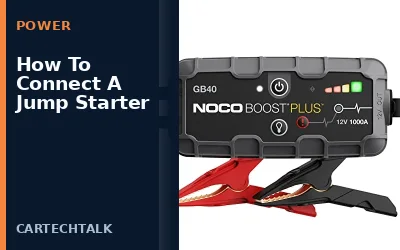
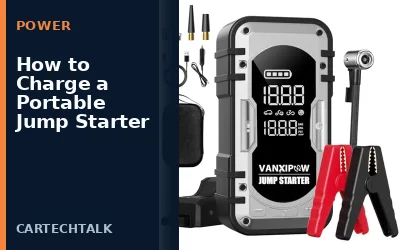
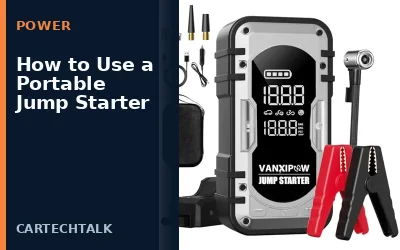
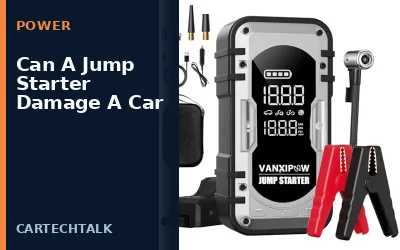
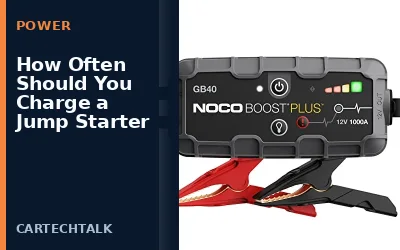
Portable jump starters address this limitation through built-in lithium-ion or AGM batteries. They connect via clamps, cigarette lighter adapters, or USB ports and output direct current to the vehicle’s battery terminals. This allows the engine to start even when the vehicle’s battery is fully discharged. However, the jump starter’s own battery must remain charged, and the process usually takes 5 to 30 minutes depending on the discharge level.
Step-by-Step Guide to Jump Starting a Completely Dead Battery
Follow these safety-first steps to jump start a completely dead battery safely:
- Prepare the area: Park the vehicle in a well-ventilated, open space away from flammable materials. Ensure both vehicles are off and their parking brakes are engaged.
- Check voltage: Use a multimeter to confirm the vehicle’s battery voltage is below 10.5 volts. Note the jump starter’s output voltage, which should be 12 volts nominal.
- Select the correct connector: Match the jump starter’s clamps or adapter to the vehicle’s battery terminals. Cigarette lighter adapters work for many cars but may not provide enough current for heavy-duty applications.
- Connect the positive terminals first: Attach the jump starter’s red positive clamp to the vehicle’s positive battery terminal. Avoid touching metal parts of the clamps together.
- Connect the negative terminal: Attach the black negative clamp to an unpainted metal part of the engine block or chassis, away from the battery. This completes the circuit.
- Start the vehicle: Turn the key to start the engine. It may take several attempts if the battery is severely discharged. Allow the engine to run for 5 to 10 minutes to begin charging the vehicle’s battery.
- Disconnect in reverse order: Remove the negative clamp first, then the positive clamp. This prevents sparks.
- Monitor the battery: After starting, let the vehicle idle for 20 to 30 minutes. Use a battery charger to maintain charge if the vehicle will not be driven immediately.
These steps apply to most passenger vehicles from model years 2000 onward. For trucks or vehicles with dual batteries, additional precautions may apply.
Vehicle Compatibility and Limitations
Compatibility depends on several factors. Voltage must match at 12 volts for standard systems. Most jump starters include adapters for 6-volt and 24-volt systems, but automotive use focuses on 12-volt. Connector types vary: traditional clamps work for most cars, while some vehicles use specific ports that require adapters.
Model-year considerations matter for modern vehicles. Cars from 2010 and newer often feature start-stop systems that require precise power management. Jump starters must deliver clean power without voltage spikes that could trigger fault codes in the vehicle’s electronic control module. Lithium-ion jump starters are preferred for their lighter weight and longer shelf life, but they may not suit older vehicles with AGM batteries due to different charging characteristics.
Uncertainty exists with heavily sulfated batteries. If the plates have hardened over time, the jump starter may not fully revive the battery. In such cases, the vehicle may start but the battery will drain again quickly. Professional battery testing with a load tester is recommended to assess true capacity before relying on jump starting.
Common Mistakes to Avoid
Many users fail when they skip voltage checks or use incompatible connectors. Another error involves connecting the negative clamp directly to the battery instead of a grounded metal part, which can cause sparks near the battery. Leaving the jump starter connected after starting can overcharge the vehicle’s battery if it has a built-in regulator.
Improper disconnection order leads to sparks that damage wiring. Forgetting to let the vehicle run after starting means the battery may not recover properly. In cold climates, batteries discharge faster, so pre-warming the engine compartment helps. Always store jump starters in a cool, dry place and recharge them regularly to prevent self-discharge.
When to Get Professional Help
Seek professional assistance if the battery fails to charge after multiple attempts, the engine cranks but stalls immediately, or dashboard warning lights appear. These symptoms suggest deeper issues like alternator problems, wiring faults, or internal battery damage. A certified technician can perform load testing, diagnose charging system faults, and recommend replacement if the battery capacity is below 50 percent.
Professional help is also warranted for vehicles with complex electronics, such as those with hybrid or electric assist systems. Attempting jump starting in these cases without proper tools risks triggering diagnostic trouble codes that require scan tools to clear.
FAQ
Can a regular car battery jump start another dead battery?
No. Both batteries would be dead, providing no usable power. A portable jump starter with its own battery is required.
How long does it take to charge a battery after jump starting?
Typically 20 to 60 minutes of engine running time, followed by 1 to 2 hours on a dedicated battery maintainer or charger.
Is it safe to jump start a completely dead battery in a modern vehicle?
Yes when using a compatible portable jump starter and following proper connection order. Modern vehicles with smart charging systems handle the process well if voltage matches.
What if the jump starter does not work?
Check the jump starter’s battery level, ensure proper connectors, and test the vehicle’s battery voltage. If the issue persists, the battery may be damaged beyond recovery.
How can I prevent future dead batteries?
Maintain proper tire pressure, avoid leaving accessories on when the engine is off, and use a battery maintainer during storage or long inactivity periods.
| Jump Starter Type | Best Application | Key Limitation |
|---|---|---|
| Portable lithium-ion | Passenger cars and light trucks | Requires regular recharging |
| Traditional cable jump starter | Weak batteries only | Insufficient power for completely dead batteries |
| Vehicle dual-battery system | Heavy-duty trucks | Needs compatible voltage and connections |