
Can A Jump Starter Damage A Car
Yes, a jump starter can damage a car if not used properly. These portable devices are designed to provide a quick boost to a dead car battery, but they can cause harm if the voltage is wrong, the polarity is reversed, or the connection is made incorrectly. Understanding the potential risks and following safe procedures is essential for protecting your vehicle’s electrical system.
Jump starters are popular for their convenience, especially for people who don’t want to deal with a traditional tow truck. However, they are not foolproof. This article will break down how jump starters work, the risks involved, and how to use them safely to avoid any potential damage to your car.
Key Takeaways
- Always check the voltage rating of your jump starter to match your vehicle’s battery voltage, typically 12 volts.
- Ensure the polarity is correct; red is positive and black is negative.
- Connect to the battery terminals, not the engine or other components.
- Do not leave the jump starter connected while the engine is running.
- Be aware of modern vehicles with sensitive electronics that can be damaged by improper jump starting.
- Inspect clamps for damage before each use to ensure a good connection.
- Allow the vehicle to run for at least 10-15 minutes after starting to fully charge the battery.
How Jump Starters Work
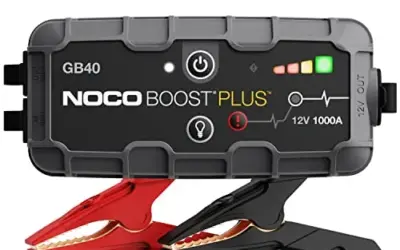
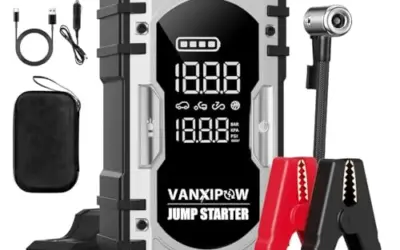
Jump starters come in two main types: those with a built-in battery and those that use capacitors. Battery-powered jump starters store energy in rechargeable batteries and can provide multiple jumps. Capacitor-based models use capacitors to store electrical energy and can deliver a high current burst quickly.
Both types are designed to deliver a high amperage current for a short period to jump start a vehicle. The goal is to provide enough power to crank the engine and start the vehicle without needing a full battery replacement immediately. The process involves transferring energy from the jump starter to the dead battery through the clamps.
Potential Risks of Using a Jump Starter
Reverse Polarity Connection
One of the most common ways a jump starter can damage a car is by connecting it with the wrong polarity. If the positive and negative terminals are swapped, the current can flow in the wrong direction, potentially damaging the alternator, ECU, or other sensitive components. This can lead to blown fuses, damaged wiring, or even more serious electrical failure.
In modern vehicles, the ECU is particularly sensitive to incorrect voltage or current flow. Even if the car starts, there may be codes stored in the computer that indicate electrical issues. The alternator is designed to charge the battery when the engine is running, but reverse current can cause the diodes in the alternator to fail, leading to a short circuit or damage.
Wrong Voltage
Using a jump starter with the wrong voltage can also cause damage. Most cars use 12-volt systems, but some trucks or older vehicles might have 24-volt systems. Using a 12-volt jump starter on a 24-volt vehicle can cause the battery to overcharge or the system to fail. Always verify the voltage rating on the jump starter and your vehicle’s battery. Compatibility is crucial to prevent damage.
Excessive Current or Poor Connection
If the clamps are not making a good connection, it can cause arcing or excessive heat, which can damage the battery terminals or the jump starter itself. Over time, this can lead to battery damage or even fire hazards. Another risk is leaving the jump starter connected for too long. While the instructions usually say to keep it connected for a few minutes, excessive time can overcharge the battery or cause other issues.
Signs That Your Car May Have Been Damaged by a Jump Starter
If your car was jump started incorrectly, you might notice several symptoms:
- Warning lights on the dashboard that were not there before
- Error codes in the vehicle’s computer system
- Strange noises from the engine or electrical system
- Dim lights or electrical issues after the jump
- Short battery life even after charging
If you suspect damage, it’s best to have a professional diagnose the issue using a scan tool to check for codes and inspect the electrical system. Do not ignore these symptoms, as they can indicate more serious issues that require repair.
Common Mistakes When Using a Jump Starter
Many people make mistakes when jump starting their car that can lead to damage. Here are some common ones:
- Connecting the jump starter with the wrong polarity. Always double-check the terminals.
- Using the jump starter on the wrong voltage system.
- Leaving the jump starter connected while the engine is running.
- Not allowing the battery to charge fully after the jump.
- Using a jump starter on a vehicle with a lithium-ion battery without checking compatibility.
- Touching the clamps to the engine block instead of the battery.
- Using a damaged or low-quality jump starter.
- Forgetting to disconnect the negative terminal first when removing the jump starter.
- Using the jump starter in extreme temperatures without following guidelines.
- Not reading the instructions that come with the device.
- Attempting to start the vehicle repeatedly if it doesn’t start on the first try.
- Using the jump starter on a vehicle with a smart battery management system without proper precautions.
How to Safely Use a Jump Starter
Follow these steps to use a jump starter safely and avoid damage to your car:
- Park the vehicle with the dead battery in a safe, well-ventilated area.
- Ensure the jump starter is the correct voltage for your vehicle, usually 12 volts.
- Turn off all accessories and lights in the vehicle.
- Connect the red clamp to the positive terminal of the dead battery.
- Connect the black clamp to the negative terminal of the dead battery.
- Connect the red clamp to the positive terminal of the jump starter.
- Connect the black clamp to the negative terminal of the jump starter.
- Start the vehicle with the good battery.
- Once the vehicle is running, let the jump starter charge the dead battery for a few minutes.
- Turn off the vehicle and disconnect the clamps in the reverse order: negative first, then positive.
Always refer to the instructions provided with your specific jump starter for any model-specific advice. In addition to these steps, consider the impact on different vehicle types. For example, in vehicles with advanced driver assistance systems (ADAS), even minor electrical glitches can cause the system to malfunction. Jump starters that provide a sudden surge of current might trigger these systems if not careful.
For vehicles with stop-start technology, the battery management system is very sensitive, and improper jump starting can cause the system to enter a fault mode. When using a jump starter in cold weather, the battery is more likely to be damaged because cold temperatures reduce battery capacity. Always allow the vehicle to warm up before attempting to start it.
The process of jump starting involves transferring energy from the jump starter to the dead battery. If the connection is loose, the energy may not transfer efficiently, leading to overheating of the clamps or terminals. Always inspect the clamps for damage before each use. After jump starting, it’s important to let the vehicle run for at least 10-15 minutes to allow the alternator to charge the battery properly. If the car doesn’t start after the jump, do not keep trying to start it repeatedly, as this can drain the jump starter and potentially damage the starter motor or battery. Instead, have the battery tested or replaced if it doesn’t hold a charge.
When to Get Professional Help
If you notice any warning lights, error codes, or unusual behavior after using a jump starter, it’s best to seek professional help. A mechanic or auto electrician can use diagnostic tools to check for damage to the electrical system or battery. Do not ignore these symptoms, as they can indicate more serious issues that require repair. Ignoring them could lead to further damage or safety problems.
FAQ
Can a jump starter damage a car?
Yes, it can if used incorrectly. Proper use minimizes the risk, but mistakes like wrong polarity or voltage can cause damage to the battery, alternator, or ECU.
How long should a jump starter stay connected?
Typically, 2-5 minutes is sufficient. Do not leave it connected longer than necessary to avoid overcharging the battery.
Are all jump starters safe for modern cars?
Most are, but you should check the voltage and polarity. Some are designed for specific vehicle types or have built-in protections for sensitive electronics.
What if my car has a smart battery or lithium battery?
Check the compatibility. Lithium batteries may require different jump starters or caution to avoid damage to the battery management system.
Can jump starters be used on electric vehicles?
No, jump starters are for internal combustion vehicles with lead-acid or similar batteries. Electric vehicles have different systems that require specialized charging equipment.