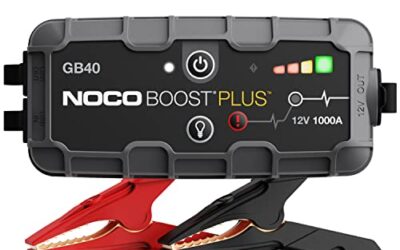
Jump starters should be charged every 3 to 6 months if not used regularly or before each use if they are frequently called upon to start vehicles. This frequency helps maintain the battery’s health and ensures it is ready when needed. The best practice is to always refer to the specific manufacturer’s recommendations, as they can vary based on the technology used in the jump starter.
Key takeaways include charging on a regular schedule, monitoring the charge level, and storing the device properly to prevent self-discharge. Understanding these intervals prevents unexpected failures and extends the life of your equipment.
What Are Jump Starters and Why Does Charge Frequency Matter?
Jump starters are portable devices designed to provide a quick burst of electrical power to restart vehicles with dead batteries. They come in two primary technologies: lead-acid and lithium-ion. Lead-acid models use traditional flooded or sealed batteries that can self-discharge over time, while lithium-ion versions rely on rechargeable cells that hold their charge longer due to lower internal resistance and more efficient chemistry.
The charge frequency directly impacts safety and reliability. Overlooking charging can lead to a completely dead unit at the worst moment, stranding you roadside. Conversely, overcharging can damage the internal cells or cause the device to overheat. Understanding these dynamics is essential for anyone who owns or uses a jump starter.
Factors That Determine How Often You Should Charge a Jump Starter
Battery Technology Differences
Lead-acid jump starters typically self-discharge at a rate of about 1-3% per month, meaning they need more frequent attention. Lithium-ion models self-discharge at only 1-2% per month or less, allowing for longer intervals between charges. This difference stems from the chemical makeup: lead-acid involves chemical reactions that degrade over time, while lithium-ion maintains stability better in modern sealed designs.
Usage Patterns and Storage Conditions
If you use your jump starter weekly or monthly, charge it before each outing. For occasional users who keep it in a garage or trunk, charging every 3-6 months is usually sufficient. Harsh environments like extreme heat or cold accelerate self-discharge, so adjust your schedule accordingly. Always store the unit away from direct sunlight and in temperatures between 50 and 85 degrees Fahrenheit.
Vehicle and Model Compatibility
Most jump starters are 12-volt systems compatible with standard passenger cars. Trucks, SUVs, or vehicles with dual batteries may require higher-capacity units, but the charging interval remains similar. Some models include built-in voltage displays or smart charging features that automatically adjust based on the connected battery’s needs. Check your owner’s manual for any specific voltage or connector requirements, such as cigarette lighter adapters or direct clamp connections.
General Guidelines for Charging Frequency
Manufacturers often recommend charging monthly for lead-acid models and every 3-6 months for lithium-ion ones. These are starting points, but real-world factors like age and storage can shift this. A 2-year-old lead-acid unit might need monthly checks, while a new lithium model could go longer. Always err on the side of more frequent charging if unsure, as a fully charged unit is far safer than one that has lost power unexpectedly.
How to Properly Charge Your Jump Starter
Charging a jump starter is straightforward but requires care to avoid damage. First, ensure the device is turned off. Connect the charger to a standard 120-volt outlet using the provided cable. For models with multiple ports, plug in the main charging input. Monitor the process using any LED indicators or digital display for charge percentage or status lights.
Do not unplug the charger until the unit shows full charge or the process completes automatically. Avoid using the jump starter itself as a charger, as this can strain its internal circuitry. If your model has a smart charger, it will stop automatically once complete. After charging, test the output by connecting to a low-charge vehicle battery to confirm it delivers the expected power.
Step-by-Step Charging Process
- Inspect the jump starter for any visible damage or corrosion on terminals.
- Connect the charger cable securely to the charging port.
- Plug the charger into a grounded outlet and wait for the initial power-up.
- Observe the charging indicator until it shows complete or full.
- Unplug the charger and disconnect any attached cables.
- Store the unit in a cool, dry location until the next use.
Signs Your Jump Starter Needs Charging
Watch for several warning signs that indicate the need for charging. The device may fail to power on at all, show no lights or displays, or have dim or flickering indicators. If it powers on but the voltage reading is below 12 volts or shows a low battery warning, it is time to charge. Strange odors, unusual heat during use, or failure to provide enough power to start a vehicle are also red flags.
Regular voltage checks with a multimeter can help. A healthy 12-volt jump starter should read close to 12.6 volts when fully charged. Readings below 12 volts suggest an immediate charge. These symptoms help you catch issues early without relying solely on time-based schedules.
Storing a Jump Starter for Optimal Performance
Proper storage extends the time between charges and preserves capacity. Keep the jump starter in its original case if provided, in a cool, dry place away from moisture and extreme temperatures. Avoid storing it in a car trunk during summer or winter, as heat and cold can degrade the battery faster. If not using for extended periods, charge it to about 50% and store it that way to minimize self-discharge.
Some users remove the battery terminals for long-term storage to prevent any parasitic drain, but this is only necessary for lead-acid models. Lithium-ion units are more forgiving and can stay connected. Always ensure the storage area is secure to prevent accidental drops or impacts that could damage the internal components.
Common Mistakes When Charging Jump Starters
One frequent error is assuming a jump starter is charged based on lights without verifying actual voltage. Another is using a standard wall charger that is too powerful, leading to overcharging and cell damage. Forgetting to charge after infrequent use can leave the unit dead when needed most. Charging while the device is still connected to a vehicle or using it as a charger can also cause issues.
Some people store jump starters with the charger plugged in, which is unsafe and can lead to fires or explosions if the battery fails. Ignoring manufacturer warnings about specific charging times or temperatures is another pitfall. Always read the manual thoroughly and avoid improvised charging methods.
When to Replace Your Jump Starter
Replace your jump starter if it consistently fails to hold a charge after multiple attempts, shows rapid self-discharge even when new, or produces weak power that cannot start most vehicles. Lithium-ion models may degrade after 500-1000 charge cycles, while lead-acid units typically last 2-5 years depending on use. If the device is older than 3 years and has not been charged regularly, it is time for a replacement to ensure safety on the road.
Maintenance Tips for Longevity
Regular cleaning of terminals with a wire brush and mild soap prevents corrosion that can affect charging. Avoid exposing the unit to chemicals or harsh cleaners that could damage seals or casings. For models with removable batteries, inspect and replace them only with genuine parts to maintain warranty and performance. Keeping a log of charge dates and any issues can help track patterns over time.
| Battery Type | Recommended Charge Interval | Self-Discharge Rate | Best Practices |
|---|---|---|---|
| Lead-Acid | Every 1-3 months | 1-3% per month | Charge monthly if stored; monitor closely |
| Lithium-Ion | Every 3-6 months | Less than 2% per month | Charge before extended storage; use smart features |
Gear that can help
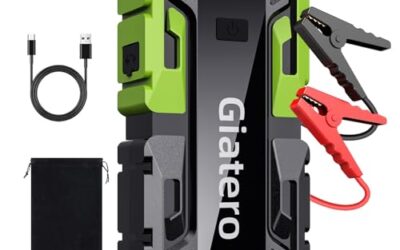
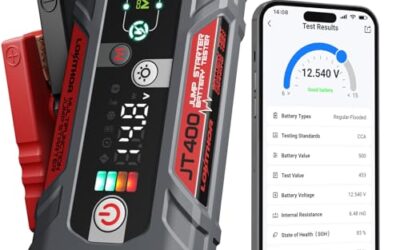
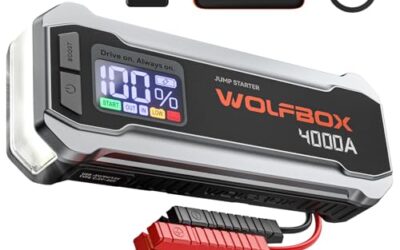
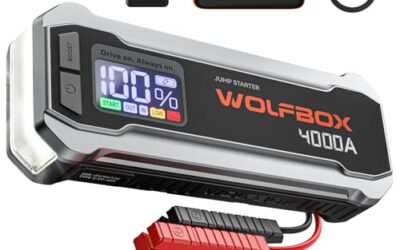
If you need jump starters for this job, these picks already appear in our jump starters guides. Check the full guide for fit and who should skip each one.
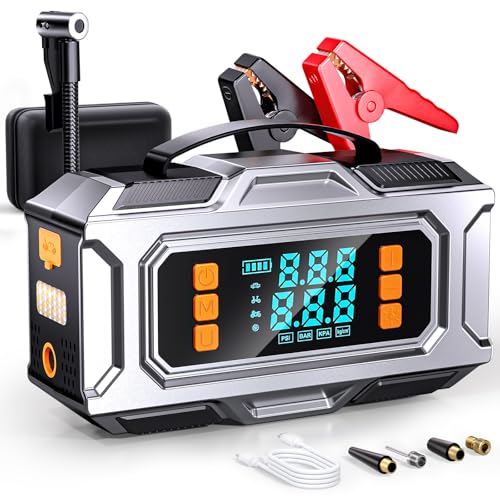
Pros
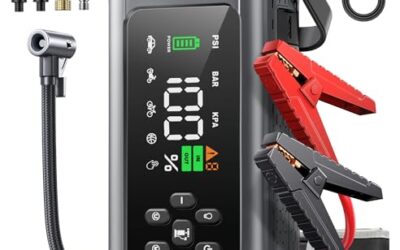
- Combines jump starting, tire inflation, device charging, and 12V accessory power in one unit
- Supports both gas and diesel vehicles within the stated engine-size limits
- Auto-shutoff inflator can be set using PSI, BAR, KPA, or KG/CM² units
- Includes a storage box, USB-C charging cable, air hose, nozzles, and user manual
Cons
- The manufacturer advises waiting two minutes between jump-start attempts and limiting attempts to three consecutively
- The compressor should cool for five minutes after 20 minutes of continuous inflation
- The unit should be recharged every two to three months during storage
Specifications
| Color | Black Silver |
|---|---|
| Dimensions | 4.3 x 7.6 x 2.5 inches |
| Weight | 2.5 Pounds |
| Product Group | Automotive Parts and Accessories |
Best For / Avoid If
Best for buyers prioritizing
- Combines jump starting, tire inflation, device charging, and 12V accessory power in one unit
- Supports both gas and diesel vehicles within the stated engine-size limits
- Auto-shutoff inflator can be set using PSI, BAR, KPA, or KG/CM² units
Consider another option if
- The manufacturer advises waiting two minutes between jump-start attempts and limiting attempts to three consecutively
- The compressor should cool for five minutes after 20 minutes of continuous inflation
- The unit should be recharged every two to three months during storage
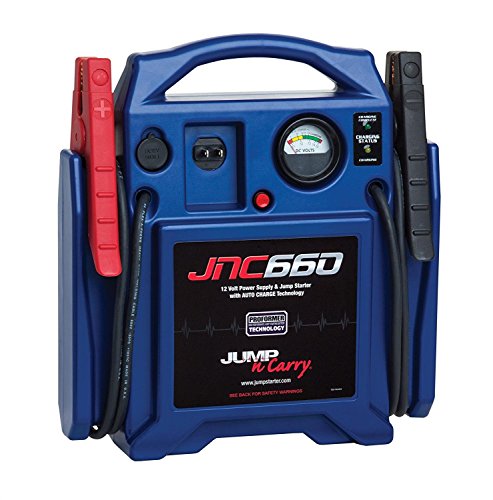
Pros
- High 1700-amp peak rating
- Long 46-inch cables with heavy-duty #2 AWG construction
- Built-in voltmeter provides charge-status information
- DC outlet supports powering 12V accessories
Specifications
| Color | Blue |
|---|---|
| Size | One Size |
| Dimensions | 16.3 x 14.1 x 5.1 inches |
| Weight | 18 Pounds |
| Product Group | Automotive Parts and Accessories |
| Binding | Automotive |
Best For / Avoid If
Best for buyers prioritizing
- High 1700-amp peak rating
- Long 46-inch cables with heavy-duty #2 AWG construction
- Built-in voltmeter provides charge-status information
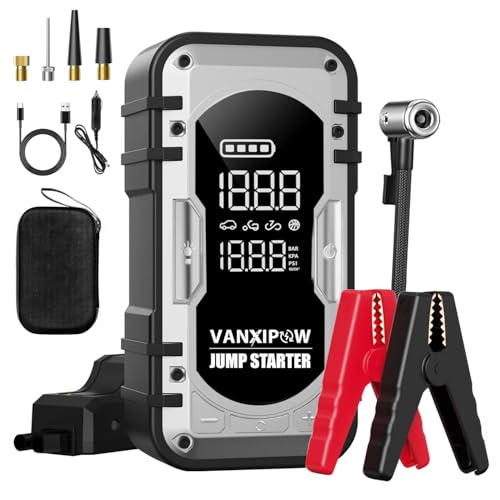
Pros
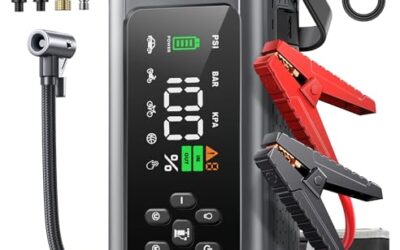
- Combines jump-starting, tire inflation, emergency lighting, and USB charging in one device
- Listed compatibility covers a broad range of 12V vehicles and engines up to 9.0L gas or 8.0L diesel
- Stated weight of 615 grams supports portable use
- LCD screen displays battery level, inflation mode, and real-time tire pressure
Cons
- The air pump should not be used continuously and requires cooling when it becomes seriously hot
- The product has one USB output port
Specifications
| Color | black silver |
|---|---|
| Dimensions | 6.9 x 2.3 x 3.5 Inches |
| Weight | 1.873929227 pounds |
| Product Group | Automotive Parts and Accessories |
Best For / Avoid If
Best for buyers prioritizing
- Combines jump-starting, tire inflation, emergency lighting, and USB charging in one device
- Listed compatibility covers a broad range of 12V vehicles and engines up to 9.0L gas or 8.0L diesel
- Stated weight of 615 grams supports portable use
Consider another option if
- The air pump should not be used continuously and requires cooling when it becomes seriously hot
- The product has one USB output port
FAQ
How do I know if my jump starter is fully charged?
Check the digital display or LED indicators for a full charge symbol. A healthy unit should also provide enough power to start a vehicle reliably. If unsure, use a multimeter to verify voltage near 12.6 volts.
Can I charge a jump starter while it is connected to a vehicle?
Most jump starters are not designed for simultaneous charging and powering. Always disconnect before charging to avoid damaging the internal circuits or causing safety issues.
What charger should I use for my jump starter?
Use only the charger provided with your model or one specifically recommended by the manufacturer. Avoid third-party chargers that may not match voltage or amperage requirements.
How long does a jump starter last?
With proper charging, a quality jump starter can last 3-7 years. Lithium-ion models often outlast lead-acid ones due to better durability and lower maintenance needs.
Is it safe to leave a jump starter plugged in overnight?
No, this practice can lead to overcharging and potential damage. Unplug the charger after the unit reaches full capacity.