The battery light usually means your vehicle’s charging system is not supplying or managing electrical power as expected. The battery may be involved, but the alternator, wiring, belt, or another charging-system part can also be responsible.
- A light that appears briefly when you start the vehicle may be part of the normal warning-light check. It should go out after the engine starts.
- A battery warning that stays on while driving calls for prompt attention. The vehicle may be running on stored battery power.
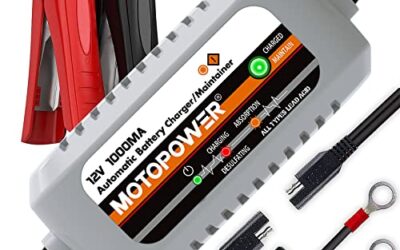
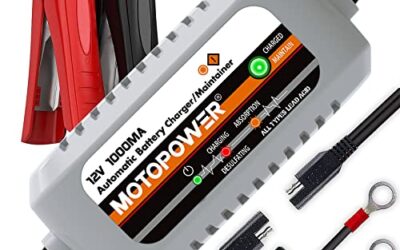
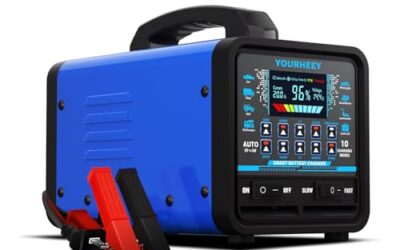
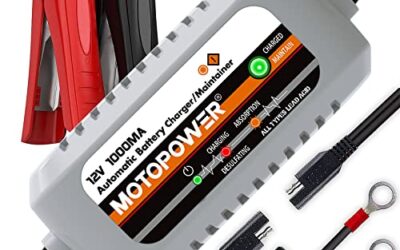
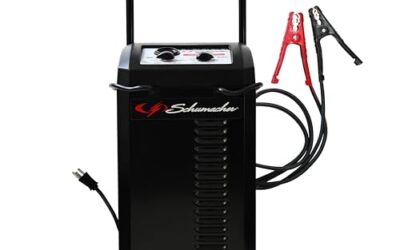
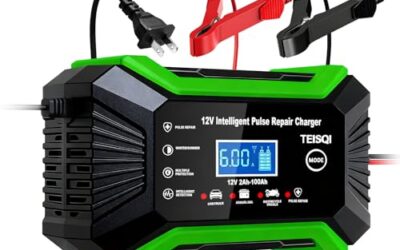
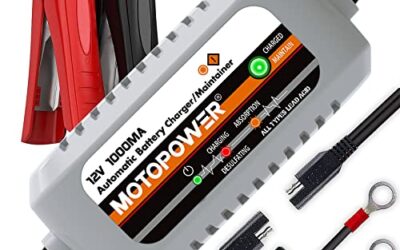
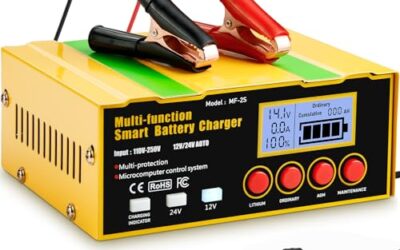
- A battery charger can recharge a discharged battery, but it cannot repair a faulty alternator, loose connection, or damaged belt.
- If the vehicle loses power, overheats, or shows other serious warnings, pull over somewhere safe and arrange help.
What does the battery light mean while driving?
When the battery light stays on after the engine starts, the charging system may not be keeping the battery charged. In many gas-powered vehicles, the alternator supplies electrical power while the engine runs and helps recharge the battery. A warning can mean that charging output is low, absent, or outside the range the vehicle expects.
The exact system varies by vehicle. Some newer models use computer-controlled charging, and hybrid or electric vehicles have different power systems from a conventional gas vehicle. The warning symbol, display message, and owner’s manual are the best starting points for your specific model and year.
The light is not a direct battery-health test. A battery can be weak while the charging system works, or the battery can be healthy while a charging-system fault turns on the warning. That is why replacing the battery based on the light alone can miss the real problem.
Battery light symptoms and possible causes
| What you notice | Possible explanation | What to do |
|---|---|---|
| Light comes on briefly during startup, then goes out | Normal warning-light check on many vehicles | Check the owner’s manual if the light behaves differently than usual. |
| Light stays on while the engine runs | Charging-system fault, wiring issue, belt problem, or battery-related fault | Reduce electrical loads and plan to stop safely for help. |
| Light appears with dimming lights or electrical problems | Possible loss of charging or a poor electrical connection | Do not assume the vehicle can keep running. Arrange assistance if symptoms continue. |
| Light appears with a burning smell, smoke, or unusual belt noise | Possible mechanical or electrical fault | Stop in a safe place, shut off the vehicle, and request professional help. |
| Light comes on after a battery change or repair | A connection, installation, or charging-system issue may need inspection | Have the work and the charging system checked against the vehicle’s service information. |
These are clues, not diagnoses. Similar symptoms can have different causes, and a warning light alone cannot identify which component has failed.
What to do when the battery light comes on
- Check the warning and your surroundings. If the vehicle is moving, keep control and look for a safe place to pull over. Follow any message shown on the dash and your owner’s manual.
- Notice whether other symptoms are present. Dimming headlights, electrical accessories shutting down, unusual noises, overheating, or a burning smell raise the urgency. Do not keep driving to see whether the problem clears.
- Switch off optional electrical loads if it is safe. The heater fan, audio system, seat heaters, and other accessories can use power. Do not turn off equipment needed for visibility, safety, or control.
- Decide whether to stop or seek help. If the light remains on, the vehicle behaves abnormally, or you are unsure whether it is safe to continue, pull over safely and call roadside assistance or a repair professional. A vehicle with a charging fault can lose electrical power while underway.
- Arrange a charging-system diagnosis. A technician can check the battery, charging output, connections, belt where applicable, and control system according to the vehicle’s design.
Do not open the hood beside moving traffic or touch hot, moving, or damaged components. Keep hands, clothing, and tools away from belts and fans. Electric fans may start unexpectedly on some vehicles. Use the owner’s manual for model-specific warnings.
Can you drive with the battery light on?
There is no reliable distance that applies to every vehicle. If the charging system has stopped supplying power, the vehicle may continue only until the battery can no longer support its electrical needs. How long that takes depends on the vehicle, battery condition, electrical load, and the fault.
A short trip is not automatically safe just because the engine still runs. The vehicle may stall or lose electrical functions, and the warning may appear alongside another fault. If you are already on the road, prioritize reaching a safe place to stop rather than heading to your destination.
If the warning goes out, do not assume the issue is fixed. An intermittent connection or charging fault may return. Note when the light appeared and any other symptoms, then arrange an inspection if it recurs.
How to narrow down the cause safely
Start with the vehicle’s manual and dash messages
Check the manual for the exact warning symbol and any instructions for your model and year. Some vehicles use a battery-shaped symbol, while others display a charging-system message. The dashboard may show related warnings that help a repair professional understand what happened.
Look for obvious signs only when parked safely
With the vehicle off and parked away from traffic, you can look for visible damage or a loose battery connection if the manual permits it. Do not touch exposed wires, remove covers, or reach near belts and fans. A belt-driven alternator may be affected by a damaged or displaced belt, but appearance alone does not establish the cause.
Separate battery charging from battery condition
A charger can restore charge to a compatible battery when used according to its instructions. It cannot confirm that the alternator and vehicle charging controls work correctly. If the battery repeatedly goes flat, or the warning returns after charging, the vehicle needs diagnosis rather than repeated charging alone.
For safe charging steps and charger-use considerations, see how to recharge a car battery. If you need to remove or replace a battery, the process can vary by vehicle; our guide to removing a car battery safely covers the basic precautions.
Battery light versus a dead battery
A dead or discharged battery often causes trouble starting, but the battery light points to a warning from the vehicle’s charging system. The symptoms can overlap because the battery and charging system work together. A weak battery may not hold a charge, while an alternator or connection fault may prevent a good battery from receiving charge.
A jump-start may get a vehicle running, but it does not show that the fault is repaired. If the charging system is not working, the battery may discharge again. Likewise, charging the battery overnight does not prove that it can hold a charge or that the vehicle can recharge it.
Common mistakes
- Replacing the battery without diagnosing the warning. The warning can come from another charging-system part or its wiring.
- Assuming the light means the battery is empty. It signals a system warning, not a precise reading of remaining battery power.
- Continuing a long drive because the engine still runs. A vehicle may keep operating for a while before electrical power becomes insufficient.
- Relying on a jump-start as a repair. A jump-start can help start a vehicle, but it does not fix the cause of a charging warning.
- Disconnecting the battery to clear the warning. Clearing or interrupting a warning does not repair the fault and may affect vehicle settings or diagnostic information.
- Assuming one voltage reading tells the whole story. Charging strategies and test procedures vary by model, year, and electrical system. Use the vehicle’s service information or a qualified technician.
When to get professional help
Arrange prompt diagnosis if the light remains on with the engine running, comes back after a restart, or appears with electrical problems. Call for roadside assistance rather than driving if the vehicle is losing power, the engine is overheating, there is smoke or a burning smell, or you cannot reach a safe destination.
Professional diagnosis may include checking battery condition, charging output, electrical connections, belt operation where applicable, and computer-controlled charging. The right procedure depends on the make, model, model year, and powertrain. A diagnostic code can help point to a system, but it does not by itself prove that a particular part needs replacement.
For general background on car batteries and battery care, see Battery Council International.
Frequently asked questions
Does the battery light mean I need a new battery?
Not necessarily. It can indicate a charging-system issue, a wiring or connection problem, or a battery fault. Diagnosis is needed to tell which part is responsible.
Why does the battery light come on and then go away?
An intermittent fault, a brief change in charging conditions, or a connection issue may cause a warning to appear and disappear. The light going out does not establish that the problem is fixed. Note when it happens and seek help if it returns.
Can a battery charger turn off the battery light?
Charging a discharged battery may change the warning in some situations, but a charger will not repair a fault in the vehicle’s charging system. If the light remains on or returns, arrange a diagnosis.
Should I disconnect the battery to reset the warning?
No. Disconnecting the battery does not repair the cause and may erase settings or diagnostic information. Follow the vehicle manual and have the fault checked.
Is the battery light the same as the check-engine light?
No. They are separate warnings for different vehicle systems, though more than one warning can appear at once. Use the manual to identify each symbol and take any urgent dash message seriously.