Portable power station Christmas gift shoppers should start with DARAN Portable Power Station 89.6Wh LiFePO4, because its small 2.54 pound body, 100W output, USB-C charging, AC sockets, and car charging fit common travel and emergency needs. It suits a driver, camper, student, or remote worker who needs modest device power rather than a large battery system.

Pros
- LiFePO4 battery chemistry and a claimed 3,500-plus cycle lifespan
- Multiple output options for phones, laptops, cameras, and other devices within the 100W limit
- Fanless operation is specified for quieter use
- Supports charging from wall power, USB-C, a car, or a solar panel
Cons
- Solar panel and charging cable are not included
- Output is limited to devices within 100W
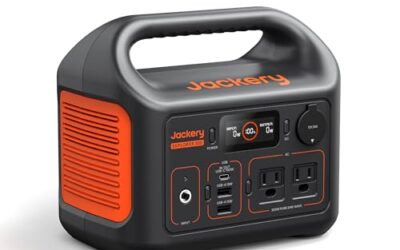
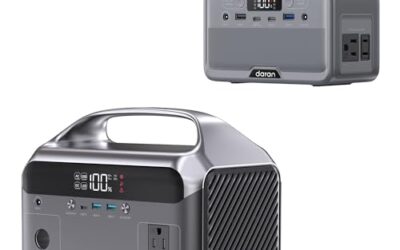
The Daran portable power station uses an 89.6Wh LiFePO4 battery and is rated for 100W output with a 200W peak rating. It measures 6.5 × 3.3 × 4 inches and weighs 2.54 pounds.
Output connections include two AC sockets, two USB-C ports rated at 45W and 15W, two USB-A ports rated at 18W and 15W, and DC5521 ports rated at 60W. The unit supports AC wall charging, USB-C PD charging, car charging, and solar charging. The solar panel and cable are not included.
Additional features include a display for operating status and remaining power, fanless operation, a four-level LED flashlight with steady and SOS modes, and a battery management system with 12 listed safety protections. The product is specified for devices within 100W.
Specifications
| Color | Advanced Gray |
|---|---|
| Dimensions | 3.3 x 6.5 x 4 inches |
| Weight | 2.54 pounds |
| Product Group | Lawn & Patio |
Detailed Review
Key features:
- 89.6Wh LiFePO4 battery with a claimed 3,500-plus life cycles
- 100W output with 200W peak power rating
- Seven output ports, including two AC sockets, two USB-C ports, two USB-A ports, and DC5521 ports
- USB-C PD charging supports up to 45W on one USB-C port
- Supports AC, USB-C, car, and solar charging methods
- Compact 2.54-pound design with a soft ergonomic handle
Best For / Avoid If
Best for buyers prioritizing
- LiFePO4 battery chemistry and a claimed 3,500-plus cycle lifespan
- Multiple output options for phones, laptops, cameras, and other devices within the 100W limit
- Fanless operation is specified for quieter use
Consider another option if
- Solar panel and charging cable are not included
- Output is limited to devices within 100W
Why This Portable Power Station Fits Christmas Gifting
Gift buyers often need one product that feels useful without requiring complex installation. DARAN Portable Power Station 89.6Wh LiFePO4 works as a small backup battery for phones, laptops, cameras, lights, and other low-power electronics. Its 6.5 by 3.3 by 4 inch body can fit in a backpack, while its soft handle makes short carries easier.
The capacity also sets a clear boundary. This is a compact power station, not a home backup battery or vehicle jump starter. Its 100W output rating suits devices within that limit. The listing gives a 200W peak figure, but that peak does not turn the unit into a source for high-draw tools, heaters, kettles, or large appliances.
The product uses a LiFePO4 battery pack rather than an NCM battery pack. The manufacturer lists 3,500 or more battery life cycles and a battery management system with 12 safety protections. Those claims describe the product’s stated design, not a guarantee of service life in every storage, charging, or temperature condition.
Best Gift Match: DARAN Portable Power Station 89.6Wh LiFePO4
Best for: Drivers, campers, students, and remote workers who need compact power for phones, laptops, cameras, and similar devices.
DARAN Portable Power Station 89.6Wh LiFePO4 offers a useful mix for a Christmas present. Two AC sockets support compatible small electronics, while two USB-C ports provide 45W and 15W outputs. The 45W USB-C port can suit many smaller laptops and tablets, but a laptop that needs more than 45W may charge slowly, limit performance, or fail to charge during use.
Two USB-A ports provide 18W and 15W outputs for older cables and common accessories. A DC5521 output rated at 60W adds another option for compatible DC equipment. Connector fit matters here. A USB-C port, USB-A port, or DC5521 port does not make every device compatible, so the recipient should match cable type, voltage, and power demand before connecting equipment.
The two AC sockets carry a 100W rating. That makes them appropriate for modest electronics within the station’s limit. It rules out high-wattage cooking devices, power tools, full-size appliances, and other loads above 100W. A recipient who expects to run large equipment needs a larger power station with a higher continuous output rating.
Per the listing, wall charging can bring the battery from zero to 80 percent in 1.5 hours. USB-C charging, car charging, and solar charging are also listed as input methods. Solar use requires a compatible solar panel, and the package description says the panel and cable are not included. That extra purchase changes the total gift cost and setup.
For a vehicle owner, car charging adds practical value during road trips or remote work. The station does not replace a vehicle battery charger, jump starter, or installed inverter. It stores energy for later use, while a running vehicle or wall outlet supplies the charging source.
The fanless operation may suit bedrooms, tents, and quiet work areas. A four-level LED flashlight includes steady and SOS modes for basic illumination. Long pressing the controls helps prevent accidental activation in a bag, though recipients still need to store lithium battery equipment where it will not be crushed, overheated, or exposed to moisture.
Skip it if: the recipient needs to power equipment above 100W, expects a solar panel in the box, wants a jump starter, or needs enough stored energy for long household outages. A larger power station with higher continuous output and more capacity fits those needs better.
What Drivers Can Power From It
Power planning starts with the device label, not the product title. Check each device’s input requirements and compare them with the station’s port type and output limit. A phone may use USB-A or USB-C. A laptop may require USB-C power delivery or its own AC adapter. A camera or drone may need a particular charger and connector.
- Phones and tablets: USB-A and USB-C ports support compatible charging cables. The available port output affects charging speed.
- Small laptops: The 45W USB-C port may suit lower-power models. Larger laptops may need more power than this station supplies.
- Cameras and drones: Compatible chargers can use the AC outlets or USB ports. Connector and power requirements decide fit.
- Small DC devices: The DC5521 port offers up to 60W for compatible equipment. The plug size alone does not confirm voltage compatibility.
- Emergency lighting: The built-in flashlight provides local light. It does not replace vehicle hazard equipment or a dedicated roadside safety kit.
Simultaneous charging is listed as a feature, but total demand still matters. Connecting several devices does not create extra capacity. The battery drains faster as combined wattage rises, and high demand can shorten operating time.
The station should not be treated as a direct power source for vehicle systems. It is not listed as a 12V jump starter, battery maintainer, tire inflator supply, or EV charger. Drivers needing those functions should shop for purpose-built equipment instead.
Capacity, Output, and Gift Expectations
Its 89.6Wh capacity places this model in the small portable power category. Capacity describes stored energy, while output describes how much power a connected device can draw at one time. Both matter. A device under 100W may still run for a limited period if its energy demand is high.
Battery runtime depends on device draw, conversion losses, charging behavior, and how much battery energy remains available. The listing does not establish a fixed runtime for every laptop, phone, camera, or mini-fridge. Avoid promising the recipient a specific number of hours.
The product description mentions a mini-fridge among possible uses. That does not mean every mini-fridge will work. Compressor startup demand can exceed normal running demand, and the station’s 100W limit remains the key boundary. Buyers should compare both running watts and startup demand for any motor-driven device.
LiFePO4 chemistry can be attractive for a gift because the manufacturer claims a long cycle life. Cycle claims depend on charging habits, storage conditions, load levels, and battery management. They should guide expectations, not act as a durability guarantee.
Charging Options for Road Trips and Camping
Wall charging suits home preparation before travel. USB-C charging can help recipients who already carry USB-C power equipment. Car charging supports travel away from an outlet, though charging from a vehicle adds load to the vehicle’s electrical system while the vehicle supplies power.
Solar charging is useful only after adding a compatible panel and cable. Panel output changes with sunlight, angle, shading, temperature, and the panel’s electrical specifications. A panel that physically connects may still be electrically unsuitable. The recipient should match panel voltage, connector, and input requirements before purchase.
Charging and using the station at the same time can create practical limits. The listing says AC and DC charging can occur together through USB-C input, but connected-device demand still affects the net battery gain. A station receiving less power than attached devices consume will continue losing charge.
For camping, pack the station where it stays dry and protected from impacts. For vehicle use, keep it secured rather than loose in a cabin or cargo area. Do not block ventilation or leave lithium battery equipment in extreme heat. Follow product instructions for charging, storage, and first use. The listing recommends fully charging and discharging the battery twice initially.
Gift Tradeoffs Buyers Should Weigh
| Gift factor | What this model offers | What it means for the recipient |
|---|---|---|
| Portability | 2.54 pounds and 6.5 by 3.3 by 4 inches | Easy backpack carry, with less stored energy than larger stations |
| Battery type | 89.6Wh LiFePO4 pack | Long-cycle chemistry claim, but still requires proper storage and charging |
| AC power | Two AC sockets, 100W output | Works for modest electronics, not high-draw appliances |
| USB-C power | 45W and 15W ports | Useful for compatible phones, tablets, and lower-power laptops |
| DC power | DC5521 output up to 60W | Supports compatible DC equipment after connector and voltage checks |
| Charging choices | Wall, USB-C, car, and solar inputs | Flexible travel use, with solar panel and cable bought separately |
| Noise | Fanless operation claim | Better suited to quiet spaces than a fan-cooled high-output unit |
The strongest tradeoff is size against capability. A small enclosure is easier to give, store, and carry. It also leaves less room for stored energy and lower output than larger models. A recipient who values portability may see that as a benefit. A recipient planning extended outages may see it as a limitation.
Who Should Buy It and Who Should Skip It
Buy this model for someone who takes road trips, camps with small electronics, works away from outlets, or wants a compact backup for communication devices. It also suits a practical gift recipient who prefers a useful tool over decorative technology.
It can fit a new driver as a travel power source, but it should supplement, not replace, roadside essentials. A warning triangle, first-aid kit, flashlight, phone charger, and vehicle-specific emergency equipment address needs this station does not cover.
Skip this guide’s product if the recipient needs to run a refrigerator for extended periods, power heating equipment, operate workshop tools, charge an electric vehicle, or start a dead car battery. Look for a larger power station, a dedicated jump starter, a vehicle inverter, or an EV charging product based on that specific task.
Also skip it if the recipient expects a complete solar kit. The solar panel and cable are separate, so the gift is not a ready-to-use solar package by itself.
Related Automotive Power Choices
Drivers comparing stored battery power with outlet-based vehicle power may benefit from the best power inverter under $100. An inverter draws power from a vehicle, while this portable station stores energy for later use. Each approach has different limits and battery-drain concerns.
For road trips, the guide to best power inverters for road trips explains why vehicle socket limits matter. EV owners should use equipment made for EV charging rather than treating a small power station as an EV charger. Home driveway charging belongs in a separate category, such as Level 2 EV chargers for outdoor installation.
Final Verdict
DARAN Portable Power Station 89.6Wh LiFePO4 is the strongest fit here for a compact portable power station Christmas gift. Its low carry weight, 100W output, multiple USB ports, AC sockets, flashlight, and wall, car, USB-C, and solar charging options give it broad small-device usefulness.
The recommendation depends on scale. This model fits personal electronics and modest travel loads, not large appliances, high-draw tools, EV charging, or car starting. Buyers who match those limits to the recipient’s actual devices can give a practical power accessory without paying for capabilities the recipient may never use.