To learn how to build a food trailer, plan the menu, trailer layout, weight, utilities, and local approval before buying equipment or starting construction. Then build in a safe sequence: confirm requirements, select a trailer, design the workspace, install systems, finish surfaces, and arrange inspections before operating.
Key takeaways
- Contact local health, fire, building, and vehicle authorities before choosing a trailer or finalizing plans. Requirements vary by location and menu.
- Choose a trailer with enough usable space and payload for equipment, water, food, staff, and supplies.
- Plan plumbing, electrical service, ventilation, and any fuel-fired equipment as connected systems, not isolated purchases.
- Have qualified professionals handle work that calls for trade skills, permits, or inspection.
- Keep records of equipment specifications, installation details, and approvals.
How to build a food trailer step by step
1. Define the menu and service plan
Write down what you will prepare, where each preparation step happens, and how customers receive orders. A menu based on packaged items has different workspace needs from one that involves raw ingredients, cooking, cooling, and dishwashing.
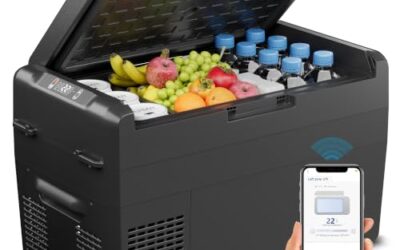
List each process from receiving and storage through preparation, cooking, service, and cleanup. Note equipment needed at each stage, such as refrigeration, a handwashing sink, prep space, cooking appliances, or warewashing facilities. The exact requirements depend on your menu and local health rules.
Estimate how many workers will be inside during service. A layout that works for one person may create blocked aisles or unsafe crossing paths with a larger crew. Sketch staff movement before fixing equipment locations.
2. Ask authorities about approvals before construction
Contact the local health department and other authorities responsible for mobile food businesses in every area where you expect to operate. Ask which plans, inspections, permits, commissary arrangements, and operating documents apply to your menu and trailer.
Requirements can differ between cities and counties, and they may depend on cooking methods, fuel, wastewater handling, or food preparation. Do not assume that passing one inspection satisfies every fire, health, vehicle, or business requirement. Get the applicable process in writing when possible.
Ask whether officials need to review drawings before fabrication. Early plan review can catch problems such as inadequate handwashing access, unsuitable surfaces, or equipment that cannot be serviced after installation. For related equipment and planning topics, see the Food Truck Build Parts category and the broader Food Truck Equipment category.
3. Select a trailer that can carry the finished build
Compare the trailer’s permitted capacity and condition with the fully equipped plan. Include the trailer itself, cooking and refrigeration equipment, counters, fresh and waste water, food, tools, staff, and stored supplies. Water adds substantial weight, so include full tanks in the planning estimate rather than counting only empty equipment.
Check the trailer frame, axle, tires, brakes, coupler, suspension, and floor for condition and suitability. A trailer that fits the room layout may still be unsuitable for its loaded weight or intended towing vehicle. Ask a qualified trailer professional to assess structural or running-gear concerns.
Plan for weight distribution, tongue load, and access to service points. Keep heavy items secured and consider how tanks and appliances affect balance as their contents change. Use the trailer and tow-vehicle manufacturers’ limits and instructions. Do not rely on appearance or empty-trailer capacity alone.
4. Draw the layout and equipment schedule
Make a scaled floor plan showing doors, windows, counters, appliances, sinks, tanks, electrical panels, and ventilation openings. Include clear paths for workers and access for cleaning, maintenance, and emergency shutoffs. Confirm that doors, drawers, and appliance lids can open without blocking exits or work areas.
Build an equipment schedule with each item’s dimensions, operating requirements, mounting method, and service access. Electrical needs depend on the appliance and its nameplate. Fuel requirements depend on the appliance and approved supply system. Do not assume that a household appliance or connector suits commercial mobile use.
A simple decision rule helps: if an appliance cannot be reached for cleaning or shut off without moving another heavy unit, revise the layout before installation. Moving equipment after plumbing, wiring, and counters are complete can add work and create new safety issues.
5. Plan water, wastewater, and sanitation
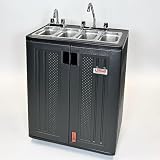
Map fresh-water supply, handwashing, food-preparation needs, dishwashing, and wastewater collection. Sink count, tank capacity, water heating, and approved materials depend on local rules and the menu. Ask the health department what the trailer must provide before ordering tanks or cutting openings.
Use plumbing materials and fittings suited to their intended use, and protect lines from damage, heat, and freezing where relevant. Secure tanks and account for their full weight. Wastewater must be contained and disposed of through an approved method; do not plan to release it onto the ground or into a storm drain.
Keep handwashing access separate from uses that would make it inconvenient during service. Verify that drains, traps, pumps, and valves remain reachable for cleaning and repair. A professional familiar with mobile food equipment can help coordinate a layout that meets local review requirements.
6. Design electrical, fuel, and ventilation systems
Prepare a load list for every electrical appliance, lighting circuit, pump, and other powered equipment. The correct service depends on appliance voltage, current, wiring method, and the supply source. Shore power, a generator, or battery-based equipment each brings different limits and installation needs.
Have a qualified electrician design and install the system to applicable codes and the equipment instructions. Use correctly rated protection and secure wiring against movement, moisture, heat, and abrasion. Do not select wire size, breakers, connectors, or generator capacity by guesswork.
For propane or other fuel-fired equipment, use a qualified installer and the rules that apply where the trailer will operate. Fuel storage, regulators, piping, shutoffs, and leak checks need proper design. Ventilation and fire-safety needs depend on the appliances and local fire review. Never operate cooking equipment in an enclosed trailer without the required ventilation and clearances.
7. Build the interior and secure equipment
Use cleanable, durable surfaces suited to food-service use and accepted by the local health authority. Seal joints where required, and avoid gaps that trap grease, crumbs, or water. Choose flooring and wall finishes that can withstand cleaning and the conditions around cooking equipment.
Mount appliances and storage so they cannot shift during travel. Follow appliance instructions for clearances, venting, and access. Protect surfaces near hot equipment as required by the appliance instructions and applicable code. Keep emergency shutoffs and exits visible and reachable.
Finish exterior openings, service windows, and weather seals without blocking ventilation or required access. Check that signs, awnings, and exterior equipment do not interfere with road travel or safe setup at a service site.
8. Inspect, document, and prepare for operation
Arrange required inspections before opening. Authorities may review plans, equipment, plumbing, sanitation, fire protection, and the completed trailer. The order and scope differ by jurisdiction, so follow the local process rather than assuming that one final visit covers everything.
Keep appliance manuals, permits, inspection records, service details, and a labeled shutoff map in an accessible file. Train workers on safe operation, cleaning, handwashing, and emergency procedures. Before each trip, check that equipment, tanks, doors, and stored items are secure.
Do not start service until required approvals are complete. If an inspector identifies a defect, correct the cause and request any required follow-up inspection. A passed inspection does not replace routine cleaning, maintenance, or safe operating practices.
Build planning checklist
| Planning area | Decide or verify | Why it matters |
|---|---|---|
| Menu and workflow | Preparation steps, equipment, staffing, and service flow | Sets workspace, sanitation, and storage needs |
| Local approvals | Plan review, permits, inspections, and operating rules | Rules vary by place and food operation |
| Trailer capacity | Loaded weight, axle and tire limits, towing suitability | Equipment and full tanks add weight |
| Utilities | Water, wastewater, electrical supply, fuel, ventilation | Systems must work together and meet applicable rules |
| Maintenance | Cleaning access, service access, manuals, shutoffs | Hard-to-reach parts make repairs and sanitation harder |
Common mistakes
- Buying a trailer before checking requirements: A low-cost or roomy trailer can still fail the intended layout or local review.
- Ignoring loaded weight: Empty trailer capacity does not account for water, appliances, food, workers, and supplies.
- Choosing equipment before planning utilities: Appliances can exceed available electrical service or require fuel and ventilation the design cannot support.
- Leaving no service access: Tight installations can obstruct shutoffs, cleaning, repairs, and inspection.
- Assuming rules are the same everywhere: Local health and fire requirements can differ, including within one state.
- Using unqualified labor for regulated systems: Improper electrical or fuel work can create fire, shock, leak, and inspection hazards.
When to get professional help
Use qualified professionals for structural trailer work, towing and braking concerns, electrical installation, fuel systems, ventilation, and any work that requires a permit or inspection. A food-service equipment planner can help coordinate workflow and utility needs. Ask local authorities which licensed trades or documents they require.
Stop work if you find frame damage, unsafe wiring, a fuel odor, a leak, or an appliance that cannot be installed according to its instructions. Do not energize or operate a system with an unresolved safety concern. Have the relevant professional inspect and correct it before use.
FAQ
How much does it cost to build a food trailer?
Cost depends on trailer condition, equipment, finish, utility systems, labor, and local requirements. Create a written budget from a menu-based equipment list and contractor estimates. Include inspection changes and maintenance, not only initial purchases.
Can I build a food trailer myself?
You may be able to complete some construction tasks, but permitted electrical, fuel, structural, and food-service work can require qualified trades or inspection. Ask local authorities what they accept before doing regulated work.
What equipment does a food trailer need?
Equipment depends on menu and local rules. Common planning categories include refrigeration, cooking equipment, sinks, water and wastewater storage, prep surfaces, ventilation, and electrical or fuel supply. Confirm the actual requirements with the authorities reviewing your operation.
Do I need a commercial kitchen or commissary?
Some jurisdictions or operating plans may require access to an approved commissary or commercial kitchen. Rules can depend on the menu and tasks performed in the trailer. Ask the local health department before signing a lease or relying on trailer-only preparation.
Can I use a regular utility trailer?
A utility trailer may not have the capacity, structure, layout, or condition needed for a food-service build. Evaluate its loaded capacity, running gear, floor, and ability to meet the intended design. Have a qualified trailer professional assess suitability before construction.