Menu

We independently review automotive electronics and diagnostic tools. When you buy through links on our site, we may earn a commission at no extra cost to you. Learn more ›

EV Charging & Automotive Power

Explore EV charging connections, home charging and portable automotive power. The guides separate vehicle compatibility, electrical supply requirements and everyday operating questions so you can find the relevant next step.

141+ Reviews
Updated daily
Best Power Inverter for Charging Phantom 4 Batteries: Field Power Guide

Best Power Inverter for Charging Phantom 4 Batteries: Field Power Guide

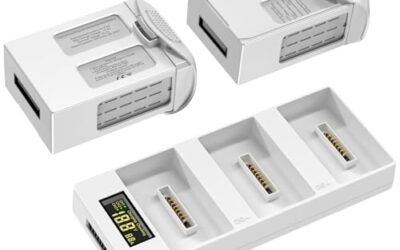
Field charging DJI Phantom 4 batteries requires clean pure sine wave power to protect sensitive flight electronics from voltage spikes. Reliable vehicle inverters with sufficient surge wattage ensure multi-battery charging hubs run smoothly on remote shoot days.

Daniel Carter Sep 9, 2026
What Is Level 2 EV Charging?

What Is Level 2 EV Charging?

Level 2 charging supplies an electric vehicle with 208- or 240-volt AC power for faster charging than a standard household outlet. Actual charging speed depends on the circuit, charging equipment, vehicle, temperature, and battery conditions.

Daniel Carter Aug 31, 2026
How Many Amps Does An EV Charger Need?

How Many Amps Does An EV Charger Need?

The amps an EV charger needs depends on your vehicle's charging port, onboard charger, and the charger's output rating. Selecting the correct amperage ensures your EV charges efficiently while staying within electrical limits and avoiding safety issues.

Daniel Carter Aug 21, 2026
Level 1 vs Level 2 EV Charging

Level 1 vs Level 2 EV Charging

Level 1 EV charging uses a standard 120-volt household outlet and charges vehicles slowly, while Level 2 EV charging requires a 240-volt dedicated circuit for much faster results. The choice between them affects your charging convenience, home electrical setup, and overall EV ownership experience.

Daniel Carter Aug 21, 2026
EV Charger Load Management Explained

EV Charger Load Management Explained

EV charger load management is a system that optimizes electrical power usage when charging an electric vehicle. It prevents overloading the home's electrical system by adjusting the charging rate in real time.

Daniel Carter Aug 21, 2026
What Is Level 1 EV Charging

What Is Level 1 EV Charging

Level 1 EV charging is the slowest type of charging for electric vehicles using a standard 120-volt outlet. It requires no special installation and is ideal for overnight top-ups or minimal charging needs.

Daniel Carter Aug 21, 2026
Pure Sine Wave vs Modified Sine Wave Inverter

Pure Sine Wave vs Modified Sine Wave Inverter

Pure sine wave inverters produce a smooth sinusoidal output similar to standard household electricity, making them compatible with a wide range of devices. Modified sine wave inverters generate a stepped waveform that is less smooth but adequate for basic applications and more cost-effective.

Daniel Carter Aug 21, 2026
Why Does My Power Inverter Shut Off

Why Does My Power Inverter Shut Off

A power inverter shuts off to protect itself from overload, overheating, short circuits, or low battery voltage. Identifying the cause is essential for safe and effective use in vehicles and portable applications. Proper troubleshooting can prevent unexpected shutdowns and extend the life of your inverter.

Daniel Carter Aug 21, 2026