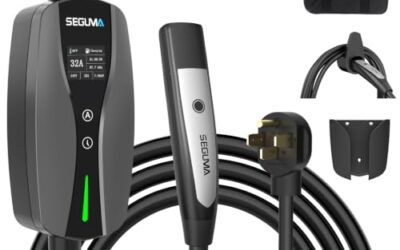
Level 1 vs Level 2 EV Charging
Level 1 EV charging uses a standard 120-volt household outlet and charges vehicles slowly, while Level 2 EV charging requires a 240-volt dedicated circuit for much faster results. The choice between them affects your charging convenience, home electrical setup, and overall EV ownership experience. Understanding these differences helps EV owners decide based on their specific needs and vehicle requirements.
- Level 1 charging is slow but requires no special installation.
- Level 2 charging is fast and suitable for daily use but needs proper electrical infrastructure.
- Consider your home’s existing outlets and potential upgrades when choosing.
- Both methods are safe when used correctly, but Level 2 involves higher power.
What Are Level 1 and Level 2 EV Charging?
EV charging levels refer to the type of electrical power supplied to the vehicle battery. Level 1 charging is the most basic form, using the standard alternating current in homes. Level 2 charging is a higher voltage option that provides quicker charging times. These systems connect to the vehicle’s onboard charger, which converts the alternating current to direct current for the battery.
How Level 1 Charging Works
Level 1 charging plugs into any standard 120-volt outlet found in most homes. The charger draws a limited amount of current, which is the maximum for a standard outlet without risking overload. This method is designed for convenience and is often used when the vehicle is parked for extended periods, such as overnight. The charging speed is limited by the low voltage and current, making it suitable only for situations where faster charging is not necessary, like when returning home after a short trip.
Compatibility with vehicles is generally high since most modern EVs support Level 1 charging through their standard charging ports. However, some vehicles may have specific requirements for the outlet type or current draw. Always check the owner’s manual for your vehicle model year to confirm compatibility and any limitations.
How Level 2 Charging Works
Level 2 charging utilizes a 240-volt circuit, which is common in kitchens and garages. It typically requires a dedicated circuit with a higher amperage breaker to avoid overloading the home’s electrical system. The charger can draw a higher amount of current, depending on the setup. This higher power input allows for significantly faster charging times compared to Level 1.
Installation for Level 2 often involves running a new circuit or upgrading the existing one, which may require professional electrical work. Once installed, the Level 2 charger connects to the vehicle’s charging port, usually via a J1772 connector or a Tesla proprietary connector, depending on the vehicle. The onboard charger then converts the 240-volt AC to DC for the battery pack.
Key Differences Between Level 1 and Level 2 EV Charging
The main practical difference lies in speed and power requirements. Level 1 is convenient but time-consuming, while Level 2 offers speed and efficiency but at the cost of installation effort. Other factors include voltage, current draw, and the need for specialized equipment.
| Feature | Level 1 | Level 2 |
|---|---|---|
| Voltage | 120 volts | 240 volts |
| Typical Current Draw | low amps | high amps |
| Charging Speed | slow | fast |
| Installation Required | None | Electrical circuit upgrade or new circuit |
| Cost Considerations | Free to use | Charger and installation fees apply |
| Best For | Short trips, backup charging | Daily commuting, overnight charging |
Note that specific speeds vary by vehicle battery size and efficiency. Always refer to your vehicle’s specifications for accurate estimates. The table above provides a general comparison to help visualize the differences.
How to Choose Between Level 1 and Level 2
Choosing the right charging level depends on several factors. If your home has a standard outlet and you only need to charge occasionally or for short distances, Level 1 may suffice. For most owners who drive daily and want to maximize convenience, Level 2 is recommended because it allows for quicker top-ups and full charges in a reasonable time.
Consider your vehicle’s battery capacity. Larger batteries benefit more from the higher power of Level 2. Also, evaluate your home’s electrical panel capacity. Upgrading to support Level 2 may be necessary if the panel is older or undersized.
Public charging stations often offer Level 2 options, but for home use, the choice is yours. If you live in an apartment without easy access to 240-volt power, Level 1 might be the only option until you move or install a charger.
Installation Considerations for Level 2 Charging
Installing a Level 2 charger involves more than just plugging in. You need a 240-volt circuit rated appropriately, which may mean adding a new circuit or upgrading the existing one. This process can be done by a qualified electrician to ensure safety and code compliance.
Some vehicles come with Level 2 chargers included, while others require purchasing a separate unit. The charger connects to the wall outlet or hardwired directly. Location matters: place it in a garage or near the parking spot for convenience. Ensure proper ventilation and accessibility.
Check local building codes and utility requirements before starting any installation. In some areas, permits may be required for Level 2 setups.
Safety Considerations
Both Level 1 and Level 2 charging are generally safe when following manufacturer guidelines. For Level 1, using a standard outlet reduces risks associated with higher voltages. However, always ensure the outlet is in good condition and not overloaded.
For Level 2, higher voltage means greater care is needed. Never attempt to modify wiring yourself if unsure. Use only chargers designed for EV use and follow all safety instructions. If you notice any unusual behavior like sparking or burning smells, disconnect immediately and seek professional help.
Regular maintenance of your charging equipment helps prevent issues. Some vehicles have built-in safety features like ground fault protection.
Common Mistakes When Comparing EV Charging Levels
One common mistake is assuming Level 1 is adequate for all situations. Many drivers underestimate how long it takes to charge with Level 1, especially for longer trips. Another error is ignoring the installation requirements for Level 2, leading to unexpected costs or safety issues.
Some owners think they can use any outlet for Level 2, but this can cause electrical problems. Always verify that the circuit is dedicated and properly rated. Misunderstanding compatibility with vehicle models can lead to frustration, such as using the wrong connector type.
Another mistake is not considering the impact on home electricity costs. Level 2 charging may use more energy but is more efficient overall due to speed.
When to Get Professional Help
If you are not comfortable with electrical work, opt for professional installation for Level 2 charging. Electricians can assess your home’s wiring, recommend upgrades, and ensure compliance with local codes. This is especially important if your panel is old or the circuit is shared.
Professional help is also advisable if you encounter issues with your charging setup, such as error codes or slow charging. Certified technicians can diagnose problems safely without voiding warranties.
Do not attempt DIY modifications to your home’s electrical system. If in doubt, consult a licensed electrician or the vehicle manufacturer’s support team.
The Future of EV Charging
As electric vehicles become more popular, charging infrastructure continues to improve. Level 2 charging is expected to remain dominant for home use due to its speed and reliability. Innovations like faster chargers and smart home integration may make Level 2 even more efficient.
Level 1 charging will likely stay relevant for convenience charging in various settings. Public Level 2 stations are expanding, reducing range anxiety. Vehicle-to-grid technology could allow EVs to contribute power back to the home, enhancing the benefits of Level 2 setups.
Regional differences may influence adoption, with some areas offering incentives for Level 2 installations. Staying informed about new technologies and local programs is key for EV owners.
FAQ
What is the main difference between Level 1 and Level 2 EV charging?
Level 1 uses standard outlets for slow charging, while Level 2 uses dedicated circuits for fast charging. The speed and installation needs are the primary distinctions.
How long does it take to charge an EV with each level?
Charging times vary by vehicle, but Level 1 typically takes overnight for a full charge, while Level 2 can complete a charge in a few hours. Factors like battery size play a role.
Is Level 2 charging necessary for most EV owners?
Yes, for most owners who charge at home regularly, Level 2 is recommended for its convenience and speed. Level 1 is better suited for minimal use or as a supplement.
What are the safety tips for Level 2 charging?
Use dedicated circuits, ensure proper grounding, avoid overloading outlets, and consult professionals for installation. Never modify the setup yourself.
Can I use Level 1 charging with any EV?
Most EVs support Level 1 charging, but check your vehicle’s manual for specific requirements regarding outlet type and current limits.