
Can You Leave A Car On A Floor Jack
No, you cannot safely leave a car on a floor jack. Floor jacks are designed for temporary lifting during vehicle maintenance tasks such as changing oil, replacing brakes, or performing other under-vehicle repairs. They are not built to support the full weight of the vehicle for extended periods or while you are away. Leaving a vehicle unattended on a floor jack can lead to the vehicle falling, which may result in serious injury or even death. Always use jack stands for any support when working underneath the vehicle.
Key takeaways
- Never leave a car supported only by a floor jack.
- Use jack stands rated for the vehicle’s weight to provide stable support.
- Floor jacks are for temporary positioning only.
- Always inspect your lifting equipment before use.
- Follow vehicle-specific lifting points and procedures.
Understanding Floor Jacks and Their Limitations
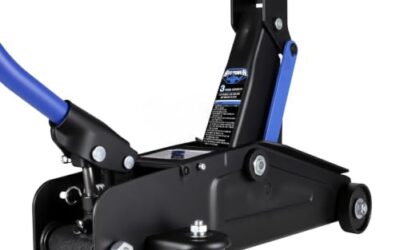
Floor jacks come in various types including hydraulic bottle jacks, screw jacks, and scissor jacks. Hydraulic jacks use a pump mechanism to raise a ram that contacts the vehicle’s underbody. They are essential tools in any automotive toolkit because they allow mechanics to lift vehicles safely for repairs. However, their design is for short-term use only. The hydraulic system is not intended to hold pressure indefinitely, and the jack itself may not be stable enough for prolonged support. Manufacturers rate floor jacks for a specific weight capacity, but this rating assumes the jack is used correctly and the ground is firm.
One key limitation is that floor jacks can slip if the ground is uneven or if the contact point is not stable. Additionally, the hydraulic fluid can leak over time, reducing the jack’s effectiveness. For these reasons, professional mechanics and DIY enthusiasts always pair floor jacks with jack stands when elevating a vehicle.
The Dangers of Leaving A Vehicle On A Floor Jack
Leaving a car on a floor jack is extremely dangerous for several reasons. First, the jack may fail structurally if the vehicle weight exceeds its rated capacity, even slightly. Second, the hydraulic system can fail due to wear, damage, or improper use, causing the vehicle to drop suddenly. Third, if the jack slips on the ground, the vehicle can shift and fall. Fourth, the center of gravity of the vehicle can cause it to tip if not perfectly balanced. Fifth, vibrations from the environment or the vehicle itself can cause the jack to move. These risks are well-known in the automotive community, and many accidents have occurred due to improper use of lifting equipment.
It is important to note that even if the jack appears to be holding the vehicle, there is no guarantee it will continue to do so. This is why safety protocols strictly prohibit leaving any vehicle supported solely by a floor jack. Instead, always transition to jack stands immediately after lifting the vehicle.
The Critical Role of Jack Stands
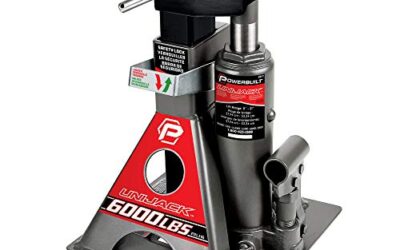
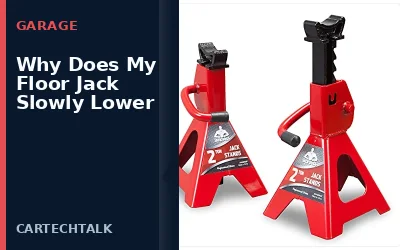
Jack stands are the safe alternative to floor jacks for supporting a vehicle. They are typically made of steel and consist of two arms that can be adjusted to hold the vehicle at a stable height. Unlike floor jacks, jack stands are designed to bear the load continuously without relying on hydraulic pressure. They provide a solid, unyielding support that does not depend on fluid or pumps. When used correctly, jack stands can hold a vehicle securely while you perform repairs underneath.
There are different types of jack stands, including T-stands, sawhorse-style stands, and locking stands. Each has its advantages, but all must be rated for the weight of the vehicle. Always ensure the stands are in good condition, without cracks or bends, and properly positioned under the vehicle’s designated lift points, usually the frame rails or specified jacking points.
Step-by-Step Guide to Safely Supporting A Vehicle With Jack Stands
- Prepare the work area: Choose a level, firm surface free of debris. Ensure there is enough space to maneuver the jack and stands.
- Locate the correct lift points: Refer to your vehicle’s manual for the proper jacking points to avoid damaging the body or frame.
- Use the floor jack: Position the jack under the lift point and raise the vehicle slightly to allow placement of the stands.
- Place the jack stands: Position the stands on either side of the lift point, ensuring they are aligned properly and not too far apart.
- Lower the vehicle: Slowly lower the vehicle using the jack until it rests securely on the stands.
- Remove the floor jack: Once the vehicle is supported by the stands, remove the jack from under the vehicle.
- Verify the setup: Check that the stands are stable, the vehicle is level, and there are no loose parts.
Following these steps ensures the vehicle is supported safely. Always use the correct size stands and never exceed their rated capacity.
Safety Precautions and Best Practices
When using any lifting equipment, safety should be the top priority. Always wear appropriate personal protective equipment, including safety glasses and gloves. Never work under a vehicle supported only by a floor jack. Before starting any repair, double-check the condition of your jack and stands. Inspect for cracks, bends, or hydraulic leaks. Make sure the ground is dry and free of oil or grease that could cause slipping. Additionally, consider using wheel chocks to prevent the vehicle from rolling while elevated.
Another important practice is to use safety locks or chains on the jack stands to prevent them from slipping apart. Some stands come with built-in locks for added security. For vehicles with low ground clearance, be extra cautious to avoid pinching or damaging components. If you’re working on a vehicle with a high center of gravity, like a truck or SUV, the risks are even greater, so extra care is warranted.
Comparison of Floor Jacks and Jack Stands
| Feature | Floor Jack | Jack Stands |
|---|---|---|
| Purpose | Temporary lifting for maintenance | Permanent support for repairs |
| Design | Hydraulic pump and ram | Steel support arms |
| Weight bearing | Short-term only | Continuous load bearing |
| Stability | Requires constant attention | Stable once positioned |
| Common use | Initial lift | Final support |
Common Mistakes To Avoid When Using Floor Jacks
Mistake 1: Ignoring The Weight Rating
One of the most common errors is not checking the floor jack’s weight capacity rating. Even if the jack seems sturdy, exceeding its limits can cause it to collapse. Always ensure the rating is higher than the vehicle’s weight, typically by a safety margin.
Mistake 2: Not Using Jack Stands
Many people assume that a floor jack can hold the vehicle while they are away or even while working. This is a dangerous misconception. Jack stands are mandatory for any under-vehicle work.
Mistake 3: Using The Wrong Size Stands
Using jack stands that are too small or not properly sized for the vehicle’s lift points can lead to instability. Always match the stand height and width to the vehicle’s requirements.
Mistake 4: Overlooking Equipment Inspection
Assuming your equipment is in good shape without inspecting it can be fatal. Check for wear and tear before every use.
Mistake 5: Improper Placement
Placing the jack or stands incorrectly can cause the vehicle to tip or shift. Always follow the manufacturer’s guidelines.
Alternatives To Traditional Floor Jacks
For certain applications, other lifting solutions may be more appropriate. Drive-on ramps allow you to roll the vehicle onto them for temporary support without a floor jack. In a garage setting, two-post lifts or four-post lifts provide professional-grade elevation. Mobile column lifts are useful for workshops. Each has its own set of benefits and limitations, but all are designed for safe, stable support.
Maintenance And Inspection Of Lifting Equipment
Regular maintenance extends the life of your floor jacks and jack stands. Inspect hydraulic lines for leaks, check the pump for smooth operation, and ensure the ram moves freely. For stands, look for rust, cracks, or deformation. Store equipment in a dry place to prevent corrosion. Following a maintenance schedule helps prevent failures and ensures your equipment is always ready for safe use.
When To Seek Professional Automotive Assistance
If you are unsure about the proper use of lifting equipment or if the vehicle is heavy or requires specialized tools, it is best to consult a professional mechanic. For complex repairs or if you lack experience with automotive lifting, professional help ensures safety and proper procedure. Additionally, if your vehicle is modified or has unique features that affect lifting points, seek expert advice.
FAQ
Can you leave a car on a floor jack?
No, you should never leave a car on a floor jack. It is unsafe and can lead to the vehicle falling. Always use jack stands for support.
What should you use instead of a floor jack for support?
Use jack stands rated for the vehicle’s weight to provide stable, continuous support.
How do you know if your floor jack is safe to use?
Check the weight capacity rating, inspect for damage, leaks, or wear, and ensure it is rated higher than the vehicle weight.
Does this apply to all vehicles?
Yes, the principle applies to all vehicles, but always follow the manufacturer’s specific recommendations for lifting points and equipment ratings.
Can you use a floor jack to hold a car while you are away?
No, it is not safe. The risks of failure are too high. Use jack stands or professional lifting equipment.