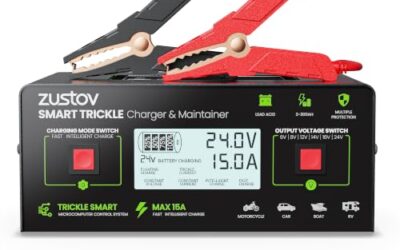
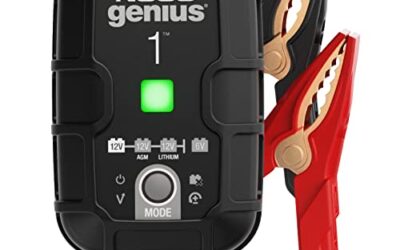
Yes, you can leave a battery maintainer connected to your vehicle’s battery in most cases. Battery maintainers are designed to keep your battery charged and ready for use, even when the vehicle is not being driven. This is especially useful for vehicles that are stored for extended periods or driven infrequently. However, it’s essential to understand the proper setup and monitoring to ensure safety and effectiveness.
Leaving a battery maintainer connected is a standard practice in automotive maintenance, but there are important considerations regarding compatibility, safety, and potential risks. This guide will explain how battery maintainers work, when it’s safe to leave them connected, and how to avoid common mistakes.
Key takeaways:
- Yes, it is generally safe to leave a battery maintainer connected when used correctly.
- Always ensure the maintainer is compatible with your battery type and vehicle voltage.
- Monitor the battery for signs of overheating or unusual behavior.
- Disconnect the maintainer when the vehicle is in active use or for long-term storage.
- Regularly inspect connections and check voltage levels.
How Battery Maintainers Work
Battery maintainers, also known as trickle chargers, operate by supplying a low-level current to the battery to counteract the natural self-discharge that occurs over time. Even when a vehicle is parked and not in use, the battery loses some charge due to chemical reactions within the battery cells. These reactions are influenced by factors such as temperature, impurities in the electrolyte, and the age of the battery.
Modern battery maintainers typically output between 0.5 and 2 amps at a voltage of around 13.8 to 14.4 volts for a standard 12-volt lead-acid battery. This constant low-level charge helps to keep the battery at a full state of charge, preventing the voltage from dropping below the critical 12.6 volts where sulfation can start to form on the battery plates. By maintaining this charge, the maintainer extends the battery’s lifespan and ensures it is ready to start the vehicle when needed.
There are different types of battery maintainers, including constant voltage models, constant current models, and smart maintainers that adjust their output based on the battery’s needs. Constant voltage maintainers provide a steady voltage output, while constant current models deliver a fixed amount of current. Smart maintainers use sensors to monitor the battery’s state and adjust the charge accordingly, offering more precise control.
The self-discharge rate of a battery can be as high as 1-3% per month at room temperature, but this rate increases significantly in cold temperatures. A battery maintainer compensates for this by providing a small charge. Over time, this helps to keep the battery plates in optimal condition, reducing the formation of sulfate crystals that can reduce capacity and lifespan.
In terms of applications, battery maintainers are used in a variety of scenarios. For classic car enthusiasts, they ensure the battery is ready for long drives. For seasonal vehicles like snowmobiles, they prevent battery drain during storage. Even for daily drivers, a maintainer can be useful if the car is parked for extended periods, such as during a vacation or business trip.
It’s important to note that the effectiveness of a battery maintainer depends on the quality of the device and the condition of the battery. A good maintainer will have features like automatic shut-off when the battery is full, protection against reverse polarity, and short circuit protection. These safety features are designed to prevent damage to the battery and the vehicle electrical system.
Furthermore, the choice of maintainer can affect the overall health of the battery. Some maintainers use desulfation technology to help remove sulfate buildup, which can extend battery life even further. For vehicles with multiple batteries, such as RVs or boats, a maintainer can be connected to each battery to ensure all are kept at optimal levels.
Is It Safe to Leave a Battery Maintainer Connected?
Yes, it is safe to leave a battery maintainer connected to your vehicle’s battery when the setup is done correctly. The primary concern is ensuring that the maintainer is rated for the specific battery type and that the connections are secure. Over time, constant charging can lead to some gassing, where hydrogen and oxygen gases are produced, but modern maintainers are designed to minimize this.
However, there are several factors to consider. First, the vehicle must be off, as the alternator will take over charging duties when the engine is running. Second, the maintainer should not be left connected if the battery is damaged or if there are signs of leakage. Third, temperature plays a role; extreme cold or heat can affect the maintainer’s performance and the battery’s safety.
In vehicles manufactured after 2000, many come equipped with smart charging systems that manage the alternator’s output. In these cases, leaving a maintainer connected might cause the system to detect an issue or affect the battery management system. Always check the vehicle’s manual for compatibility.
Compatibility Considerations
Compatibility is key when using a battery maintainer. Different battery types require different approaches. Lead-acid batteries are the most common in vehicles and are compatible with most maintainers. However, advanced batteries like AGM (Absorbed Glass Mat) or gel batteries have different charging requirements and should use maintainers specifically designed for them to avoid overcharging or undercharging.
Lithium-ion batteries, which are becoming more common in newer vehicles and some accessories, require maintainers that can handle their unique charging profiles. Lithium batteries can be damaged by incorrect charging and should only use maintainers with lithium-compatible settings.
Vehicle model years also matter. Older vehicles with basic charging systems are more forgiving, but newer ones with electronic controls may have restrictions. Always verify the maintainer’s specifications against your battery’s requirements, including voltage, amperage, and type.
Potential Risks and Safety Tips
While battery maintainers are generally safe, there are risks to be aware of. One major risk is overcharging, which can lead to excessive gassing and electrolyte loss. Another is corrosion at the battery terminals due to constant current flow. In extreme cases, if the maintainer is not properly connected, it could cause a short circuit or fire hazard.
To mitigate these risks, follow these safety tips:
- Ensure all connections are clean, tight, and corrosion-free.
- Place the maintainer in a well-ventilated area to allow gases to escape.
- Monitor the battery temperature regularly; it should not exceed 110 degrees Fahrenheit.
- Check for any unusual odors or swelling of the battery case.
- Review the manufacturer’s instructions for your specific maintainer model.
- Disconnect the maintainer before starting the vehicle or using accessories.
These precautions help ensure that the maintainer operates safely and effectively.
Comparison of Battery Maintainer Types
| Type | Charging Method | Best For | Limitations |
|---|---|---|---|
| Constant Voltage | Fixed voltage output | Standard lead-acid batteries | May not be suitable for advanced batteries |
| Constant Current | Fixed current output | Older vehicles | Requires manual adjustment |
| Smart Maintainers | Adjusts based on battery feedback | Modern vehicles, AGM, lithium | Higher cost, needs programming |
Common Mistakes to Avoid
Many users make mistakes when using battery maintainers that can lead to problems. One common error is leaving the maintainer connected while the vehicle is being driven. This is not advisable because the alternator will interfere with the maintainer’s charging and may cause the battery to overcharge.
Another mistake is using a maintainer that is not compatible with the battery type. For instance, using a lead-acid maintainer on a lithium battery can cause damage. Additionally, some users forget to check the connections periodically, allowing corrosion to build up over time.
It’s also important not to leave the maintainer connected for extended periods without monitoring. While designed for long-term use, regular checks are necessary to ensure everything is functioning properly. Ignoring these mistakes can result in a dead battery or even safety issues.
When to Seek Professional Help
There are situations where you should consult a professional for battery maintenance. If you notice any signs of battery failure, such as swelling, leaking, or unusual odors, it’s best to have the battery and maintainer inspected by a qualified technician. Additionally, if your vehicle has complex electronics or if you’re unsure about compatibility, professional help can provide peace of mind.
Professionals can also perform a thorough battery test and recommend the right maintainer for your specific needs. This is especially important for vehicles with advanced battery management systems or those using non-standard battery types.
FAQ
Can I leave my battery maintainer connected overnight?
Yes, you can leave a battery maintainer connected overnight. This is a common use case for vehicles that are not driven daily. Just ensure the maintainer is compatible and the connections are secure.
What happens if I leave a battery maintainer connected while driving?
It is not recommended. The alternator will take over, potentially causing overcharging or interference with the maintainer’s function. Always disconnect the maintainer before driving.
How long can I leave a battery maintainer connected?
Battery maintainers can be left connected indefinitely if properly maintained. However, it’s wise to check connections and battery condition every few months to ensure everything is in order.
Are there risks with leaving a battery maintainer connected?
Yes, risks include overcharging, corrosion, and gas buildup. Following safety guidelines and monitoring can minimize these risks.
How do I know if my battery maintainer is working?
You can check by measuring the battery voltage with a multimeter. A healthy maintainer should keep the voltage above 12.6 volts when the vehicle is off.