
How to Use Jack Stands
Jack stands are critical safety equipment that allow mechanics and DIY enthusiasts to securely support a vehicle on a lift or floor jack. Properly using jack stands ensures that the vehicle remains stable while you work underneath it. This guide explains the process step by step, including selection, setup, and safety precautions.
- Always use jack stands rated for your vehicle’s weight.
- Never work under a vehicle supported only by a jack.
- Position jack stands at the correct lift points.
- Use wheel chocks and chock the wheels.
- Inspect equipment regularly.
What Are Jack Stands?
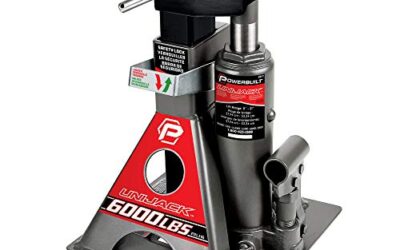
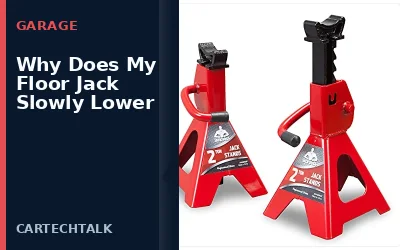
Jack stands are adjustable metal supports, often resembling sawhorses, designed to hold a vehicle at a raised position. They come in various types like safety stands with locking mechanisms or chain hoists for heavier loads. Jack stands are designed for use in pairs, one on each side of the vehicle, to provide balanced support.
The primary purpose of jack stands is to create a stable base that can hold the vehicle’s weight even if the floor jack fails or is removed. This is crucial because a floor jack alone cannot support the vehicle indefinitely, and working under a car held only by a jack is extremely dangerous.
Choosing the Right Jack Stands
Selecting appropriate jack stands is the first and most important step in using them safely. Consider several factors including vehicle weight, capacity rating, height range, type of stands, and compatibility with lift points.
When choosing jack stands, it’s important to consider the specific requirements of your vehicle. For example, a compact car may only need standard safety stands, while a full-size pickup truck requires heavy-duty stands that can handle the additional weight and possibly larger lift points. Always measure the distance between your vehicle’s lift points to ensure the stands fit properly. Additionally, for vehicles with electronic components or sensitive systems, be extra careful not to damage any wiring or components when working underneath.
Here’s a comparison table of common jack stand types:
| Type | Description | Best For | Limitations |
|---|---|---|---|
| Safety Stands | Adjustable with locking pins | Passenger cars and light trucks | Limited to lower heights, may not fit all vehicles |
| Chain Hoist Stands | Use chains and ratchets for lifting | Heavy-duty vehicles and off-road trucks | More complex setup, requires more space |
| Rolling Jack Stands | Mounted on wheels for mobility | Garages with limited space | Less stable on uneven ground, higher cost |
Preparing Your Workspace
Before starting, ensure your work area is clean, dry, and level. Clear away any obstacles and have all necessary tools within reach. This includes your floor jack, the jack stands, wheel chocks, a flashlight, and possibly a creeper or rolling jack.
Chock the wheels of the vehicle before lifting. This prevents the vehicle from rolling if the wheels turn while the vehicle is raised.
Step-by-Step Guide to Using Jack Stands
- Park the vehicle on a level surface. Engage the parking brake and chock the front and rear wheels.
- Locate the recommended lift points for your vehicle. Consult your owner’s manual or a reliable service manual for the exact locations. Common points include the frame rails, unibody points, or suspension components.
- Position your floor jack under the designated lift point. Ensure the jack is rated for your vehicle’s weight.
- Slowly raise the vehicle using the floor jack until there is enough clearance to insert the jack stands.
- Place one jack stand on each side of the vehicle at the correct height and position. Align the stands with the lift points.
- Lower the vehicle carefully onto the jack stands. The stands should bear the weight of the vehicle.
- Remove the floor jack from under the vehicle.
- Perform your maintenance or repair work.
- When finished, raise the vehicle slightly with the floor jack to remove the jack stands.
- Lower the vehicle back onto the floor jack or the ground.
- Remove the wheel chocks and drive away.
Safety Considerations and Warnings
Safety is paramount when using jack stands. Never work under a vehicle that is supported only by a floor jack. The jack could fail, leading to a catastrophic accident. Always use jack stands in conjunction with a floor jack or hoist.
Ensure that the jack stands are rated for the weight of the vehicle and are in good condition. Look for cracks, bends, or other damage. Do not use damaged stands.
Position the jack stands at the manufacturer’s recommended points. Using incorrect points can lead to the vehicle slipping or the stands failing.
Have a spotter present to assist you and to warn you if something goes wrong.
For vehicles with a low center of gravity, such as sports cars, extra caution is needed. Consider using additional supports if necessary.
Using Jack Stands on Different Vehicle Types
For sedans and hatchbacks, standard safety stands are usually sufficient. These vehicles typically have lift points on the frame rails that are easy to access. However, for vehicles with unibody construction, such as many modern cars, the lift points are often in the floor or specific reinforced areas. Always refer to the service manual to avoid damaging the body.
Trucks and SUVs present different challenges. They often require chain hoist stands because of their higher weight and larger underbody clearance. When using jack stands on a truck, ensure the stands are placed on the frame rails or designated points to avoid crushing the exhaust system or other components.
For vans and minivans, similar to trucks, but be aware of the center of gravity which is higher, increasing the risk of tipping if not careful.
Motorcycles and ATVs use specialized stands, but for standard automotive, stick to car and truck guidelines.
Troubleshooting Common Issues
If the vehicle feels unstable on the jack stands, lower it immediately and reposition the stands. Check if the stands are locked properly and if they are on flat surfaces.
If the stands are sinking into the ground, use a board or mat to distribute the weight.
Inspecting Jack Stands Before Use
Regular inspection of jack stands is essential to maintain safety. Check for cracks in the metal, bent arms, or worn locking mechanisms. Ensure the stands have not been damaged from previous use or storage. Replace any stands that show signs of fatigue or damage immediately.
Common Mistakes to Avoid
- Using jack stands that are not rated for the vehicle’s weight.
- Not chocking the wheels, allowing the vehicle to roll.
- Placing the stands at incorrect locations, such as on plastic bump or suspension components not designed for lifting.
- Ignoring the need for a spotter or assuming the job is too simple.
- Forgetting to inspect the jack stands before use.
- Using the wrong type of stand for the vehicle, leading to instability.
When to Seek Professional Help
If you are unsure about the lift points for your specific vehicle model and year, or if the vehicle has been modified in any way, it is best to consult a professional mechanic. Additionally, if you are not comfortable with working under a vehicle or lack the proper equipment, professional assistance is recommended.
FAQ
What is the difference between a floor jack and jack stands?
A floor jack is used to lift the vehicle, while jack stands are used to support it once lifted. Jack stands provide a more stable and secure platform for working underneath the vehicle.
Can I use jack stands on any vehicle?
No, jack stands must be compatible with the vehicle’s weight and lift points. Always check the manufacturer’s recommendations and ensure the stands have sufficient capacity.
How do I know if my jack stands are safe to use?
Inspect them for any signs of damage, cracks, or wear. Ensure they have a capacity rating higher than your vehicle’s weight and that they are properly adjusted and locked.
What should I do if the vehicle slips off the jack stands?
Immediately lower the vehicle using the floor jack, remove the jack stands, and reposition them correctly. Never attempt to work under a slipping vehicle.
Are there different types of jack stands for different vehicles?
Yes, there are safety stands for lighter vehicles and heavier-duty chain hoist stands for trucks and SUVs. Choose the appropriate type based on your vehicle’s requirements.