
What Is A Car Power Inverter
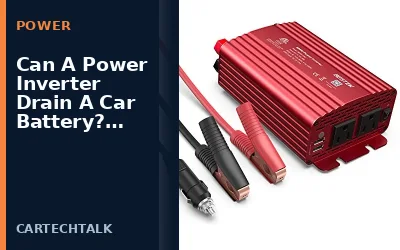
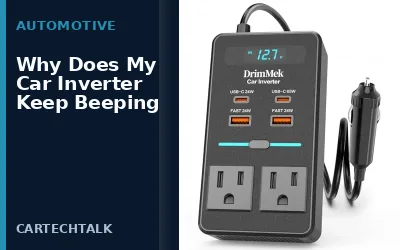
A car power inverter is a device that converts direct current (DC) power from your vehicle’s battery into alternating current (AC) power. This allows you to run standard household appliances and electronics in your car or RV. Understanding how it works, types, safety, and limitations is essential for safe and effective use.
Key takeaways:
- Converts DC to AC power for vehicle use
- Enables running of household appliances in cars or RVs
- Available in modified sine and pure sine wave types
- Requires careful consideration of wattage, safety, and compatibility
How Does a Car Power Inverter Work?
Car power inverters work by taking the DC power from your car’s battery and converting it into AC power that can be used to run appliances designed for home use. The basic principle involves electronic components that switch the DC current on and off rapidly to create an AC waveform. This process is known as inversion.
Inside the inverter, there is a DC input connection, usually from the vehicle’s 12-volt electrical system. The inverter then uses a series of transistors or other switching devices to create the AC output. The output is typically 120 volts AC at 60 hertz, matching standard household power in the United States.
There are different types of inverters based on the waveform they produce. Modified sine wave inverters are the most common and cost-effective, but they can cause interference with sensitive electronics. Pure sine wave inverters provide a smoother output that is better for delicate devices like medical equipment or computers.
Efficiency is an important factor. Most inverters are 85-90% efficient, meaning some power is lost as heat. This is why they can get warm during use and require good ventilation.
The switching process is controlled by a microcontroller or dedicated inverter chip. The input DC is modulated in frequency or voltage to produce the desired AC voltage and frequency. The output is filtered to remove harmonics for a cleaner sine wave in pure sine models.
Historically, power inverters evolved from early rotary converters used in industrial settings to modern semiconductor-based designs that offer greater efficiency and smaller size. This evolution has made them practical for automotive and recreational vehicle applications.
Applications include powering laptops, charging phones, running small refrigerators, operating CPAP machines, and even powering small power tools during roadside repairs. In case of emergencies, it can provide backup power for essential devices such as lights, radios, and medical equipment.
Limitations include the fact that they draw power from the vehicle’s battery, which can affect the starting ability of the car if used for extended periods without the engine running. They are not designed for high power appliances like air conditioners or large appliances, as they would require too much current and could damage the inverter or vehicle electrical system.
Compatibility is key. Most car inverters are designed for 12V systems, but some are for 24V or 48V, especially in larger vehicles or RVs. The output voltage is fixed at 120V for US models, but some are 240V for other regions. Always check the voltage rating of your vehicle and the inverter to ensure proper connection and operation.
Safety Considerations for Car Power Inverters
Safety warnings are crucial when using a car power inverter. Never operate the inverter in a confined space without ventilation because it generates heat. Do not overload the outlets beyond the rated capacity. Ensure all connections are secure and insulated to prevent short circuits or fires.
In case of any unusual behavior like sparking or burning smell, discontinue use immediately. It is not recommended to use in rainy or damp conditions as this increases the risk of electrical shock. Always disconnect the inverter from the vehicle battery when not in use to avoid unnecessary drain.
Check the manufacturer’s instructions for specific safety guidelines, including proper grounding and use of appropriate fuses or circuit breakers. For vehicles with specific electrical systems, such as those with advanced electronics in newer model years, consult a professional to ensure compatibility and avoid interfering with vehicle systems.
Limitations and Compatibility
Car power inverters have several limitations that users should understand. They are limited in the amount of power they can provide, typically ranging from 300 watts for small portable units to 2000 watts or more for larger installations. Exceeding this can lead to overheating, reduced lifespan, or complete failure.
Vehicle model year compatibility is important because older vehicles may have different battery voltages or electrical architectures. For example, most cars from the early 2000s onward use a standard 12-volt system, but some trucks or vans may require 24-volt inverters. Regional differences also apply, as output voltage and frequency standards vary between countries.
Phone OS and firmware compatibility is rarely an issue since inverters provide standard AC power, but users should ensure devices are rated for the output voltage. In electric vehicles, the high-voltage systems are separate, so standard car inverters are generally not applicable and may void warranties or cause safety issues.
Always verify that the inverter’s input voltage matches your vehicle’s system and that the output connectors are appropriate for your needs. Some inverters come with cigarette lighter adapters, while others require hardwire kits for permanent installation in vehicles or RVs.
Common Mistakes When Using Car Power Inverters
Common mistakes include using a modified sine wave inverter for sensitive electronics such as medical devices or audio equipment, which can cause damage or malfunction. Another mistake is not calculating the total wattage needed for all devices to be used simultaneously. Overloading can lead to overheating and failure.
Some users forget to turn off the inverter when not in use, leading to unnecessary battery drain that can leave the vehicle without starting power. Incorrect connection of the inverter, such as reversing polarity, can damage the unit or vehicle electrical system. Ignoring ventilation needs or placing the inverter in a location where it can tip over during travel is also a frequent error.
Assuming that any inverter will work with all appliances without checking the power requirements is dangerous. Always perform a load calculation before connecting devices.
When to Get Professional Help
When to get professional help: If you experience persistent electrical issues, unusual noises from the inverter, or if the inverter does not turn on properly, it may indicate a fault that requires inspection by a qualified technician. Do not attempt to repair high voltage components yourself, as this can result in serious injury or further damage.
Seek professional assistance if the inverter is not compatible with your vehicle’s electrical system or if you are unsure about installation. A certified mechanic or electrician can assess the vehicle’s battery and charging system to ensure safe integration of the inverter.
Choosing the Right Car Power Inverter
When selecting a car power inverter, consider the total power requirement of the devices you plan to use. Calculate the wattage by multiplying volts times amps for each device. Add them up and choose an inverter with at least 20% more capacity to account for efficiency losses and future additions.
Also, decide between modified and pure sine wave based on your needs. For most general use like charging phones or running fans, modified sine wave is sufficient and more affordable. For sensitive devices such as laptops, medical equipment, or audio systems, pure sine wave is recommended to avoid interference or damage.
Look for features like low battery shutdown to protect your vehicle’s battery, overload protection, and cooling fans. Consider the input voltage and connector type that matches your vehicle. For larger vehicles or RVs, higher voltage inverters may be necessary.
Table of inverter types:
| Type | Waveform | Best For | Considerations |
|---|---|---|---|
| Modified Sine Wave | Square wave | General appliances, basic electronics | Lower cost, may cause interference with sensitive devices |
| Pure Sine Wave | Sine wave | Sensitive electronics, medical devices, audio equipment | Higher cost, smoother output, better compatibility |
Frequently Asked Questions
What is the difference between a car power inverter and a generator?
A car power inverter uses battery power and is portable, while a generator uses fuel and can provide more power but is less convenient for short term use in a vehicle.
How much power does a car power inverter need?
It depends on your devices. A 300W inverter can run small devices like a laptop charger, while a 2000W inverter is needed for larger loads such as a small refrigerator or multiple tools.
Is it safe to use a car power inverter while driving?
Yes, but ensure it is securely mounted and not obstructing driving. Do not use if it requires constant monitoring or adjustment during travel.
How do I choose the right wattage for my car power inverter?
Calculate the sum of wattages of all devices and add 20% margin for safety and efficiency.
What are the common connectors used with car power inverters?
Most use cigarette lighter adapters, but some have hardwire kits for permanent installation in vehicles or RVs.
This article has provided a comprehensive overview of car power inverters, their operation, types, safety, limitations, and common uses. For more details on specific applications or vehicle compatibility, consult the manufacturer’s manual or a professional electrician.