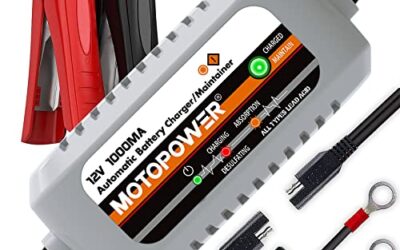
To remove battery from car safely, switch off the vehicle, disconnect the negative terminal first, then disconnect the positive terminal and release the battery hold-down. Check your owner’s manual first because battery location, access, electrical backup needs, and removal procedures vary by model year and vehicle design.
- Wear eye protection and keep metal tools away from both terminals at once.
- Disconnect the negative cable before the positive cable; reconnect in the reverse order.
- Do not remove a damaged, leaking, frozen, or unusually hot battery yourself.
- Some vehicles need a memory saver, battery registration, or electronic system reset after replacement.
Before you remove a car battery
Start with the owner’s manual or the vehicle’s service information. Confirm the battery type, its location, the correct access procedure, and any instructions for preserving settings. A battery may sit under the hood, in the trunk, beneath a seat, or elsewhere. Some vehicles have more than one battery.
Identify whether the vehicle uses a conventional 12-volt battery, an auxiliary battery, or a high-voltage system. This procedure applies only to a serviceable low-voltage battery when the manual permits owner removal. Do not touch high-voltage battery components in a hybrid or electric vehicle. Their cables, covers, and service disconnects require model-specific training and procedures.
Tools and safety checks
- Owner’s manual or vehicle-specific service instructions
- Eye protection and gloves suitable for automotive work
- Correct-size wrench or socket for the terminal clamps and hold-down
- A battery carrying strap or other proper lifting aid, if available
- Battery memory support only if the vehicle maker allows its use and the device matches the vehicle
Park on a firm, level surface, set the parking brake, switch off the ignition, and remove the key or keep the key fob away from the vehicle. Turn off lights and accessories. Let the engine bay cool. Do not smoke or create sparks near a battery. Lead-acid batteries can release flammable gas, and their electrolyte can injure skin and eyes.
Check the battery case and terminals before touching anything. Stop if the case is cracked, swollen, leaking, frozen, or hot. Avoid contact with corrosion, and do not brush residue into the air. A damaged battery calls for qualified handling.
How to remove battery from car: numbered steps
- Locate the battery and identify its terminals. Use the manual to access the correct battery. The negative terminal usually has a minus sign and a black cable; the positive terminal has a plus sign and often a red cover. Trust the markings, not cable color alone.
- Check for vehicle-specific precautions. Look for instructions about power management, memory support, battery sensors, and required post-service registration. If the instructions call for a procedure or tool you do not have, stop and arrange service.
- Disconnect the negative terminal first. Loosen the negative clamp with the correct tool and lift it off the battery post. Position the cable so it cannot spring back and touch the post. Do not let a wrench bridge the positive terminal and a metal body part.
- Disconnect the positive terminal. Remove its protective cover if fitted. Loosen the clamp and lift it clear. Keep the positive cable away from metal and from the disconnected negative cable.
- Remove the hold-down. Take off the bracket, strap, or retaining hardware according to the vehicle instructions. Keep track of fasteners. Do not pull the battery upward while the hold-down remains attached.
- Disconnect any secondary connections. Some batteries have a vent tube, temperature sensor, or battery-monitoring connection. Release these as the manual directs. Do not yank wiring or block a required vent opening.
- Lift the battery straight out. Batteries are heavy and can shift unexpectedly. Use a proper handle or lifting aid, keep the battery upright, and avoid tilting it. Ask for help if the battery is awkward to reach or you cannot lift it steadily.
- Set it down safely. Place it upright on a stable, nonconductive surface away from children, flames, and heat. Arrange recycling or disposal through an appropriate battery collection location. Do not put a vehicle battery in household trash.
Why disconnect the negative terminal first?
Most vehicles connect the battery’s negative side to the body and chassis. Removing the negative cable first breaks that common ground path. If a tool touches the vehicle body while loosening the positive clamp, a connected negative terminal can complete a short circuit. Disconnecting negative first reduces that risk.
After the negative cable is off, a tool touching the body generally cannot complete the same battery circuit through the disconnected negative post. Still, keep tools clear of both terminals, and follow the vehicle’s instructions. Some designs use remote jump posts or battery sensors that change the correct service point.
What changes on newer vehicles?
Disconnecting a battery can erase clock, radio, window, seat, and other stored settings. Some vehicles may also require relearning procedures for windows or engine controls. A memory saver can help preserve selected settings, but its connection method and suitability depend on the vehicle. It does not make unsafe terminal work safe.
Many newer vehicles monitor battery condition or charging behavior. After replacement, some may require battery registration or coding so the charging system recognizes the new battery. The need depends on make, model, year, battery type, and installed equipment. The owner’s manual or service information should decide the procedure.
Do not assume every replacement battery is interchangeable. The vehicle may require a specific chemistry, capacity range, case size, terminal layout, or vent arrangement. If you are preparing for a replacement, the guides to AGM battery care and car battery charging in cold weather cover related maintenance questions.
Common mistakes
- Removing the positive cable first. A wrench can short against the body while the negative side remains connected. Disconnect negative first.
- Forcing a stuck clamp. Twisting or prying hard can damage the post, clamp, or nearby sensor. Use the correct tool and method from the service instructions.
- Removing the hold-down last, or not at all. A loose battery can fall or damage surrounding parts. Release the retainer before lifting.
- Letting cables touch again. Keep disconnected cable ends clear of their posts throughout the work.
- Tilting the battery. A damaged or serviceable lead-acid battery can spill electrolyte. Keep it upright.
- Ignoring a battery sensor or vent tube. Pulling attached parts can damage wiring or leave a required vent connection disconnected.
- Assuming removal fixes a starting problem. A discharged battery can result from a charging fault, parasitic draw, poor connection, or battery failure. Removal does not identify the cause.
When to get professional help
Get qualified service if the battery is damaged, frozen, leaking, swollen, or difficult to reach. Stop if you cannot identify the correct battery, terminal, or hold-down, or if the cables are corroded onto the posts. A professional should handle high-voltage components in hybrid and electric vehicles.
Professional help also makes sense when the vehicle requires battery registration, memory support, special access steps, or a post-replacement calibration. If the car still will not start after battery service, have the battery, charging system, connections, and possible electrical drain diagnosed rather than replacing parts by guesswork.
Frequently asked questions
Can I remove a car battery without disconnecting the negative cable?
No. Disconnect the negative terminal first unless vehicle-specific service instructions require a different procedure. The negative-first sequence reduces the chance of a tool causing a short against the vehicle body.
Will removing the battery reset the car’s computer?
It can erase some stored settings or learned values, but effects vary by vehicle. It does not repair an underlying fault. Check the manual for reset or relearning steps after power is restored.
How long should I wait after turning off the car?
There is no single wait time for every model. Follow the service information for your vehicle, especially if it has battery monitoring, supplemental restraint systems, or high-voltage components. Do not disconnect wiring unrelated to the battery.
Can I remove a battery while the engine is running?
No. Turn the vehicle off before disconnecting the battery. Removing a battery from a running vehicle can expose electrical components to damaging voltage changes and create a safety hazard.
Where should I take an old car battery?
Take it to an automotive battery retailer, recycling site, or local collection program that accepts vehicle batteries. Keep it upright during transport and protect the terminals from contact with metal objects.
Sources and further reading
- Battery Council International (Battery Council International): Find general information about lead-acid batteries, battery care, and recycling.