
2 Ton Vs 3 Ton Floor Jack
Choosing between a 2-ton and a 3-ton floor jack comes down to the weight of your vehicle and the type of lifts you perform. A 2-ton floor jack is rated to lift up to 4,000 pounds, which covers the vast majority of passenger cars and light trucks. A 3-ton floor jack, capable of handling 6,000 pounds, is better suited for heavier SUVs, crossovers, or trucks. Both tools use hydraulic systems to raise vehicles safely when used correctly, but they differ in size, weight, and versatility.
Key takeaways:
- A 2-ton jack is sufficient for most everyday vehicle maintenance on cars under 4,000 lbs.
- A 3-ton jack provides extra capacity for larger vehicles but requires more space and effort to maneuver.
- Always match the jack’s capacity to your vehicle’s weight plus any passengers or cargo.
- Safety is paramount with either tool—use jack stands and follow proper procedures.
- Consider your workspace; a 3-ton jack may be less practical in tight garages.
What Are Floor Jacks?
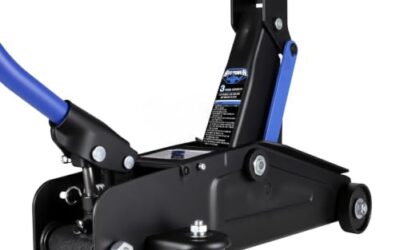
Floor jacks are essential tools for lifting vehicles during maintenance, repairs, and tire changes. They consist of a hydraulic pump and ram that raise the vehicle off the ground. The 2-ton and 3-ton designations refer to the maximum lifting capacity in pounds. These tools are designed for use with jack stands to support the vehicle when it is raised.
Understanding Lifting Capacity
The capacity rating indicates the maximum weight the jack can safely lift. For a 2-ton floor jack, this is typically 4,000 lbs. For 3-ton, 6,000 lbs. Always ensure your vehicle does not exceed this limit, including fluids, passengers, and tools. Exceeding the capacity can lead to structural failure of the jack or the vehicle.
2-Ton Floor Jack vs 3-Ton Floor Jack
Capacity and Weight Handling
Most sedans and compact SUVs weigh between 2,500 and 4,000 pounds. A 2-ton jack handles these easily. Larger vehicles like full-size SUVs or light trucks may require the 3-ton option for added safety margin. For example, a full-size pickup truck might weigh over 5,000 pounds, making a 3-ton jack more appropriate.
Size and Portability
2-ton jacks are generally more compact and lighter, making them easier to store and transport. 3-ton models are bulkier and heavier, which can be a drawback in smaller spaces or when carrying the jack to different locations. The larger pump and cylinder of the 3-ton jack contribute to its increased size.
Price and Availability
While exact prices vary, 2-ton jacks are often more affordable and widely available. 3-ton jacks tend to cost more due to their higher capacity and robust construction. However, both are available at automotive supply stores and online retailers.
How Floor Jacks Work
Both types operate on the same principle: a pump mechanism forces hydraulic fluid into a cylinder, extending a ram to lift the vehicle. A release valve allows the fluid to return, lowering the vehicle. The difference is in the pump size and cylinder diameter, which determine the capacity. The 2-ton jack has a smaller pump and cylinder to match its lower capacity, while the 3-ton has larger components for greater force.
In addition to capacity, the height of the jack is important. A 2-ton jack might have a lower minimum height, making it suitable for lower vehicles. The 3-ton jack often has a taller stroke for higher vehicles. When selecting, consider the maximum lift height needed for your vehicle type. For example, changing tires on a sedan may require less height than on a truck.
Another factor is the pump type. Some jacks have a foot pump for easier operation, while others use a handle. The 3-ton models may have larger handles for better leverage.
Choosing the Right Floor Jack for Your Needs
Consider the weight of your vehicle. Check the door jamb sticker or owner’s manual for the curb weight. For vehicles under 4,000 lbs, a 2-ton jack is ideal. For heavier ones, opt for 3-ton. Additionally, consider the type of vehicle: sedans need less capacity than trucks. Also, think about how often you lift vehicles; a versatile jack might be useful for multiple vehicles.
Safety Warnings
Never exceed the rated capacity. Always use jack stands rated for the vehicle’s weight. Position the jack properly under the vehicle’s designated lift points, which are usually stamped on the frame or suspension components. Never work under a vehicle supported only by a floor jack. Always ensure the jack is on a level surface and the vehicle is stable before beginning any work.
Common Mistakes
- Using a jack with insufficient capacity for the vehicle weight.
- Ignoring the vehicle’s specific lift points and using random locations.
- Not checking the jack’s condition before use, such as for leaks or worn parts.
- Overloading the jack with passengers or cargo.
- Using the jack on soft or uneven ground.
Maintenance Tips
To keep your floor jack in good condition, regularly inspect it for hydraulic leaks, damaged seals, and worn pump mechanisms. Lubricate moving parts as recommended by the manufacturer. Store the jack in a dry place to prevent rust. When not in use, lower the ram fully to avoid strain on the pump.
Compatibility with Vehicle Models
Most hydraulic floor jacks are compatible with a wide range of vehicles, but ensure the saddle or pad fits the lift points. For example, some low-slung cars may require adapters or specific jack models. Always refer to your vehicle’s service manual for recommended lift points. Model-year can affect the height and weight distribution, so verify compatibility.
Comparison Table
| Feature | 2-Ton Floor Jack | 3-Ton Floor Jack |
|---|---|---|
| Lifting Capacity | Up to 4,000 lbs | Up to 6,000 lbs |
| Typical Weight of Jack | 20-30 lbs | 30-50 lbs |
| Best For | Passenger cars, light trucks under 4,000 lbs | Heavier SUVs, trucks over 4,000 lbs |
| Size | Compact and portable | Bulkier and less portable |
| Price Range | Lower cost | Higher cost |
When to Get Professional Help
If your vehicle is heavy or you are not comfortable with lifting, consider having a professional mechanic perform the work. Professional help ensures safety and proper use of equipment. Additionally, if you encounter any issues with the vehicle that require specialized tools or knowledge, professional assistance is recommended.
FAQ
What is the difference between a 2 ton and 3 ton floor jack?
The primary difference is the lifting capacity. A 2-ton floor jack can safely lift up to 4,000 pounds, while a 3-ton floor jack can handle up to 6,000 pounds. This makes the 3-ton model suitable for heavier vehicles.
Is a 2 ton floor jack enough for most cars?
Yes, a 2-ton floor jack is sufficient for most passenger cars and light-duty vehicles that weigh less than 4,000 pounds.
How do I know if I need a 3 ton floor jack?
You may need a 3-ton floor jack if your vehicle weighs more than 4,000 pounds, such as a full-size SUV or truck, or if you frequently lift heavier loads.
Can I use a 2 ton jack for a truck?
Only if the truck’s weight is under 4,000 pounds. Heavier trucks require a 3-ton or higher capacity jack.
What safety gear should I use with a floor jack?
Always use jack stands, wear gloves and sturdy shoes, and ensure the area is clear of obstacles.