
Why Does My Floor Jack Slowly Lower
Your floor jack slowly lowering is typically caused by a leak in the hydraulic system, air trapped in the fluid, or a malfunctioning release valve. This can make it difficult to hold the vehicle securely in place. Understanding the underlying reasons and following proper troubleshooting steps can help you resolve the issue efficiently.
Before attempting any fixes, ensure you are familiar with basic hydraulic principles and safety precautions. A floor jack is a critical tool for vehicle maintenance, and its proper function is essential for safety.
Key Takeaways
- Inspect for visible fluid leaks around the jack’s base, cylinder, and hoses.
- Check the hydraulic fluid level and condition.
- Examine the release valve for proper operation.
- Bleed air from the system if spongy action is present.
- Replace worn seals or components as needed.
Understanding How a Floor Jack Works
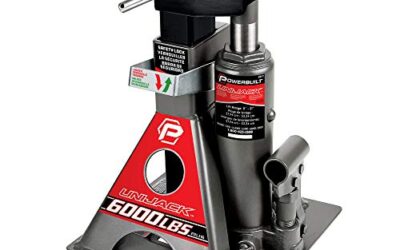
Floor jacks, also known as bottle jacks or frame jacks, use a hydraulic mechanism to lift heavy loads. The system consists of a reservoir filled with hydraulic fluid, a pump that forces the fluid into the lifting cylinder, and a release valve that allows the fluid to return to the reservoir when opened. When the pump is operated, it creates pressure that lifts the vehicle. To lower the jack, you open the release valve, allowing the fluid to flow back and the piston to descend under the load’s weight.
This process relies on the incompressibility of the hydraulic fluid. Any air in the system acts like a cushion, leading to a spongy feel and slower operation. Leaks disrupt the pressure balance, causing the jack to lower gradually as fluid escapes.
Common Causes of Slow Lowering
Hydraulic Fluid Leaks
One of the most frequent reasons a floor jack slowly lowers is a leak in the hydraulic system. Seals around the piston, cylinder, and hoses can wear out over time or get damaged during use. Even a tiny leak can cause the jack to descend slowly because the fluid is under pressure and escapes continuously. In heavier vehicles, the increased weight can exacerbate the issue by requiring more pressure, making leaks more noticeable.
Leaking fluid may appear as a puddle under the jack or around the base. It’s important to note that this issue is independent of the vehicle model year, as long as the floor jack is properly rated for the vehicle’s weight. Compatibility with different jack types, such as scissor jacks or bottle jacks, remains similar in terms of hydraulic principles.
Air Entrapped in the Fluid
Air in the hydraulic fluid is another common cause. Air bubbles can enter the system during fluid changes, after a pump stroke, or if the reservoir is not filled correctly. This leads to a spongy or mushy action when operating the jack, and the lowering process becomes slower because the air compresses slightly under pressure.
Air pockets can also form if the fluid is not properly mixed or if the jack has been stored improperly. This problem affects all types of hydraulic floor jacks and is not specific to any vehicle model year or voltage, as these jacks are purely mechanical.
Problems with the Release Valve
The release valve controls the flow of fluid back to the reservoir. If it’s stuck, worn, or not sealing properly, it may not allow the fluid to return quickly enough, resulting in slow lowering. This could be due to debris, corrosion, or normal wear after years of use.
Many users mistake this for a general failure of the jack, but it’s often just the valve that needs attention. Always ensure the valve is clean and lubricated if applicable.
Low or Contaminated Fluid Level
If the fluid level is too low, the jack may not generate enough pressure, leading to slow operation. Contaminated fluid, often from water or dirt entering the system, can also cause issues by reducing efficiency.
Worn Seals and Gaskets
Over time, the rubber seals and gaskets inside the jack can degrade, especially if exposed to extreme temperatures or chemicals. This wear leads to fluid loss and slow lowering.
Troubleshooting Checklist
Use this checklist to identify the problem:
- Check for any fluid leaks by looking under the jack and around all connections.
- Inspect the release valve to see if it operates smoothly.
- Verify the fluid level in the reservoir by removing the cap.
- Feel the jack for any sponginess when pumping or lowering.
- Observe if the lowering is gradual or sudden.
Step-by-Step Troubleshooting Guide
Follow these steps in order to diagnose and fix your floor jack:
- Safety First: Always ensure the vehicle is securely supported on jack stands before working on the jack. Never work under a vehicle supported only by a floor jack.
- Visual Inspection: Look for signs of hydraulic fluid leaks. Note the location and amount of any fluid. Dark fluid may indicate contamination.
- Fluid Level Check: Remove the reservoir cap and check the fluid level. It should be at the recommended level. Top up with the correct hydraulic fluid if low.
- Release Valve Test: Operate the release valve to ensure it opens and closes properly. Listen for any unusual sounds or feel for resistance.
- Bleeding the System: To remove air, pump the jack several times and open the release valve to allow fluid to flow back. Repeat until the action feels normal.
- Inspect Components: Examine the pump, cylinder, and hoses for cracks, dents, or damage. Replace any damaged parts.
- Seal Replacement: If leaks persist, you may need to disassemble the jack and replace the seals. This requires basic mechanical skills and the correct tools.
Each step builds on the previous, starting with the easiest and safest checks. It’s important to note that this troubleshooting applies to most standard floor jacks used in automotive settings, regardless of the vehicle model year or specific jack capacity, as long as the jack is rated for the vehicle’s weight.
Useful Table for Diagnosis
| Symptom | Possible Cause | Action |
|---|---|---|
| Slow lowering | Hydraulic leak | Inspect for fluid leaks |
| Spongy feel | Air in system | Bleed the hydraulic system |
| Hard to pump | Low fluid | Check and top up fluid |
| Uneven lowering | Worn release valve | Inspect and clean valve |
This table provides a quick reference to match symptoms with potential causes and basic actions.
Common Mistakes to Avoid
One common mistake is assuming that slow lowering is normal for the jack. In reality, it indicates a problem that needs addressing to ensure safety.
Another error is using the wrong type of fluid. Always follow the manufacturer’s specifications for the fluid to maintain proper operation.
Some users try to fix the issue by over-tightening connections, which can lead to further damage. Instead, use gentle pressure and inspect carefully.
It’s also a mistake to ignore small leaks, thinking they will stop on their own. Leaks can worsen and lead to complete failure of the jack.
Finally, avoiding professional help when the problem is complex can be risky. If you’re not experienced with hydraulic systems, it’s best to consult a mechanic.
When to Get Professional Help
If after following the troubleshooting steps you cannot identify or resolve the issue, or if the jack is under warranty, it’s advisable to seek professional assistance. A qualified technician can diagnose internal problems that require specialized tools and knowledge.
Additionally, if the jack has been dropped or subjected to excessive force, professional inspection is recommended to ensure safety before use.
Professional help is also necessary if you are uncomfortable with any of the disassembly steps or if the vehicle is a classic or high-value model where precision is critical.
Maintenance Tips to Prevent Future Issues
To keep your floor jack in good condition, perform regular maintenance. This includes checking the fluid level monthly, replacing seals every few years, and storing the jack in a dry place to prevent corrosion.
Always clean the jack after use to remove dirt and debris that could enter the system. Following these practices can extend the life of your floor jack and prevent many common problems.
FAQ
How do I know if my floor jack is leaking?
Look for puddles of fluid under the jack or around the base and connections. Fluid that is leaking will typically be dark and may have a slight odor if contaminated.
Can I fix a leaking floor jack myself?
Yes, many users can repair leaks by replacing seals or hoses. However, it requires careful disassembly and the use of appropriate tools. If you’re not confident, consult a professional.
What is the best fluid to use in a floor jack?
The best fluid is the one recommended by the manufacturer, often a specific hydraulic jack oil or automatic transmission fluid. Using the wrong fluid can lead to poor performance and damage.
Why does my floor jack feel spongy?
A spongy feel usually means there is air in the hydraulic system. Bleeding the system should resolve this issue.
Is it normal for a floor jack to slowly lower?
No, slow lowering is not normal and indicates a problem in the hydraulic system that should be addressed for safety reasons.