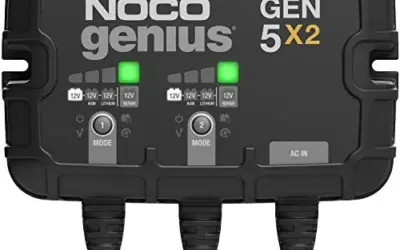
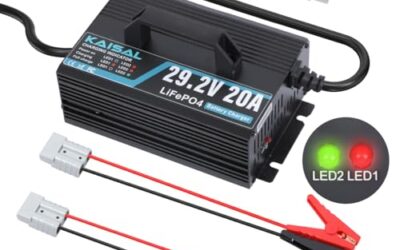
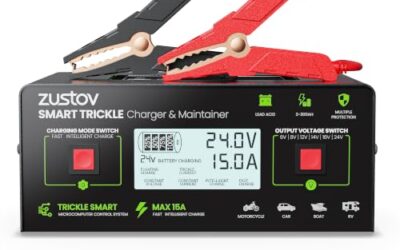
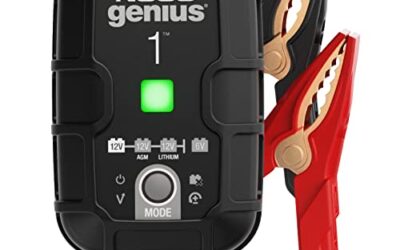
A battery maintainer is a specialized charger designed to keep your vehicle’s battery at a full charge without overcharging it. This is particularly useful for vehicles that sit unused for long periods. To use a battery maintainer effectively, you need to select the appropriate type based on your battery chemistry, connect it correctly, and monitor its performance regularly.
Key takeaways
- Understand your battery type: Lead-acid, AGM, or lithium.
- Choose a maintainer with matching voltage and current settings.
- Always follow safety protocols when connecting.
- Check connections periodically to avoid corrosion.
- Replace the maintainer if it doesn’t perform as expected.
Understanding Battery Maintainers
Battery maintainers, also known as trickle chargers or battery tenders, are essential tools for automotive enthusiasts and mechanics. Unlike standard battery chargers that bring a dead battery back to life, maintainers provide a slow, continuous charge to counteract the natural self-discharge of the battery. This prevents sulfation in lead-acid batteries and maintains optimal performance.
The primary function of a battery maintainer is to counteract the natural discharge that occurs even when the vehicle is off. This discharge is caused by parasitic drains from modules like the clock, alarm systems, or sensors. By maintaining a charge, you ensure the battery is ready for the next drive, reducing the chance of being stranded.
They are ideal for vehicles that are driven infrequently or stored for extended periods. By keeping the battery charged, you reduce the risk of it freezing in cold weather or failing to start when needed. However, it’s important to note that not all batteries benefit equally from maintainers; some modern batteries may have built-in protections against trickle charging.
Types of Battery Maintainers
Trickle Chargers
Trickle chargers are the most common type of battery maintainer. They output a low current, typically 0.5 to 2 amps, to maintain the battery’s charge. These are perfect for long-term storage and are simple to use with basic settings. Trickle chargers are straightforward and cost-effective, making them popular for DIY users. They are ideal for vehicles in storage, such as classic cars or boats.
Smart Chargers
Smart chargers automatically adjust their output based on the battery’s needs, offering multiple stages of charging and maintenance modes. They are more advanced and can detect battery health to some extent. Smart chargers are more sophisticated and can save you time by automatically managing the charge cycle. They are recommended for users who want minimal intervention.
Desulfators
Desulfators use electrical pulses to remove sulfate buildup from the battery plates, extending battery life. They are useful for older batteries that have been partially discharged. Desulfators are particularly useful in regions with harsh winters where batteries may experience frequent deep discharges.
Solar Maintainers
Solar battery maintainers harness solar energy to provide a constant trickle charge, ideal for off-grid or remote vehicles. Solar maintainers are eco-friendly and suitable for vehicles in sunny climates or those used in remote locations.
Choosing the Right Battery Maintainer
When selecting a battery maintainer, consider several factors. First, match the voltage to your vehicle’s system, most passenger cars use 12-volt batteries, while some trucks or RVs may require 24 volts. Next, ensure compatibility with your battery type: flooded lead-acid, absorbed glass mat (AGM), gel, or lithium-ion.
Also, look at the maintainer’s current output. For a typical car, a 1-amp maintainer is sufficient, but if your vehicle has high parasitic drain, opt for a higher capacity. Check for features like automatic shut-off to prevent overcharging.
Consider the maintainer’s ability to handle different battery types. For instance, lithium batteries require a maintainer that can output the correct voltage to prevent overvoltage damage. Always read the product specifications carefully to avoid compatibility issues.
For vehicles with different voltage systems, such as 6V for older motorcycles or 48V for some electric bikes, ensure the maintainer matches. In the US, most automotive batteries are 12V, but always confirm for your specific vehicle model year. Compatibility limits include ensuring the maintainer can handle the battery’s cold cranking amps (CCA) rating to support starting performance.
Here’s a comparison table of common types:
| Type | Voltage Compatibility | Best For | Limitations |
|---|---|---|---|
| Trickle Charger | 12V or 24V | Long-term storage | May not fully restore deeply discharged batteries |
| Smart Charger | 12V or 24V | Daily use and maintenance | Higher cost, requires programming |
| Desulfator | 12V | Older lead-acid batteries | Less effective on new batteries |
| Solar Maintainer | 12V | Remote or solar-powered setups | Dependent on sunlight availability |
Step-by-Step Guide to Using a Battery Maintainer
Prerequisites
Before starting, gather the necessary items: the battery maintainer, safety gloves, a multimeter for voltage checking, and possibly a wrench for terminal connections. Ensure your vehicle is parked in a well-ventilated area.
- Safety first: Disconnect the negative terminal of the battery to prevent accidental short circuits. This step is crucial for all electrical work. Disconnecting the negative terminal is a standard procedure to minimize risk. If your battery has a remote terminal, use that for easier access.
- Select the correct setting: Refer to the manufacturer’s instructions for your specific maintainer. Set it to the maintenance mode, usually 13.6-13.8V for lead-acid batteries. The maintenance voltage is typically 13.5-13.8V to keep it at 100% charge without gassing. For AGM, it might be slightly different.
- Connect the maintainer: Attach the positive clamp to the positive battery terminal first, then the negative to the negative terminal. Avoid touching the clamps together. Connecting positive first follows the standard convention to prevent sparks. Use the correct size clamps to ensure a good connection.
- Plug in and monitor: Connect the maintainer to a power source. Observe the charging indicator lights to confirm it’s in maintenance mode. Monitor for the first few minutes to ensure no unusual behavior.
- Check periodically: Every few weeks, inspect the connections for corrosion and test the battery voltage with a multimeter. It should read around 12.6V when fully charged. Use a digital multimeter set to DC volts to measure accurately. A reading below 12.4V indicates the need for attention.
- Disconnect when not in use: Once the vehicle is driven, remove the maintainer to avoid any potential drain from the device itself. This prevents the maintainer from drawing current when the vehicle is in use.
These steps ensure safe and effective use. Remember to adjust for your vehicle’s model year; for instance, newer cars with electronic systems may have different battery requirements. Always double-check the polarity to avoid damage.
Safety Precautions
Working with batteries involves some risks. Always wear protective eyewear and gloves to avoid chemical burns from electrolyte. Ensure the area is well-ventilated to prevent hydrogen gas buildup, which is flammable.
Never leave the maintainer unattended while charging, especially if it’s a fast charger. For lithium batteries, follow manufacturer guidelines strictly as they can be sensitive to overcharging. If you notice any unusual odors or swelling, stop using and seek professional assistance.
Additional safety tips include never using the maintainer near flammable materials and ensuring all connections are tight to prevent arcing. In cold climates, allow the battery to warm up before connecting to avoid freezing electrolyte.
Common Mistakes
One common error is using a standard car battery charger on a maintainer setting. Car chargers are designed for fast charging and can damage the battery if left connected. Another mistake is neglecting to check connections for corrosion, which can lead to poor contact and reduced efficiency.
Some users also try to use a maintainer on a completely dead battery, expecting it to jump-start the vehicle. Maintainers are not jump starters; they are for maintenance only. Additionally, ignoring the battery’s fluid levels in older vehicles can cause issues if not topped up properly.
Other frequent mistakes include using the wrong voltage setting for the battery type, such as applying 12V to a 6V system, or failing to monitor the maintainer regularly, leading to undetected issues. Always research the specific requirements for your vehicle to avoid these pitfalls.
When to Get Professional Help
If your battery maintainer fails to maintain the charge or if the battery itself shows signs of damage like bulging or leaking, consult a professional mechanic or auto electrician. For complex issues involving vehicle electronics or high-voltage systems, professional diagnosis is recommended. This ensures safety and prevents further damage.
Professional help is also advised if you are unsure about the compatibility of the maintainer with your vehicle’s electrical system or if the vehicle is under warranty. In such cases, DIY attempts can void warranties or cause safety hazards.
FAQ
What is the difference between a battery maintainer and a battery charger?
A battery maintainer provides a low-level continuous charge to keep the battery topped up, while a charger is used to fully recharge a depleted battery. Maintainers are for ongoing maintenance, not initial charging.
How often should I check my battery maintainer?
Inspect the connections and monitor the voltage every 2-4 weeks. This helps catch any issues early and ensures the battery remains in optimal condition.
What voltage should a battery maintainer maintain?
For a standard 12-volt lead-acid battery, aim for 13.6 to 13.8 volts during maintenance. Lithium batteries typically require 14.4 to 14.6 volts.
Can I use a battery maintainer on a lithium battery?
Yes, but only with a lithium-compatible maintainer. Lithium batteries have specific charging profiles to prevent overcharging and ensure safety.
How do I know if my battery maintainer is working?
Check if the charging indicator is lit and the battery voltage remains stable above 12.4 volts. If the voltage drops significantly, the maintainer may need replacement.
How can I extend the life of my battery maintainer?
Store the maintainer in a cool, dry place when not in use. Avoid exposing it to extreme temperatures and always follow the manufacturer’s storage guidelines to maintain its functionality.