
How High Should a Floor Jack Lift
The height a floor jack should lift a vehicle depends on several factors including the jack’s specifications and the vehicle’s requirements. For most standard passenger vehicles, a floor jack needs to be able to lift the car to at least 18 inches above the ground. This height allows mechanics to slide under the vehicle safely for repairs. However, there is uncertainty in determining the exact height because it varies by model and manufacturer. Always check the jack’s manual for its maximum lift height and measure your vehicle’s ground clearance to ensure compatibility.
- Key takeaway 1: Verify the jack’s rated lift height before use.
- Key takeaway 2: Aim for at least 18 inches of clearance for safe access.
- Key takeaway 3: Consider vehicle type and weight when selecting a jack.
- Key takeaway 4: Never exceed the jack’s maximum lift height.
- Key takeaway 5: Use proper lift points to avoid damage.
Understanding Floor Jack Lift Heights
Floor jack lift height refers to the maximum vertical distance a floor jack can raise a vehicle from the ground. This is crucial for determining if the jack is suitable for a particular vehicle. Different floor jacks come with varying lift heights, ranging from low-profile jacks that can lift only 12 inches to tall floor jacks that can reach 30 inches or more. The choice of jack depends on the application. For example, a low-profile jack is ideal for vehicles with low ground clearance, while a tall jack is better for trucks or vehicles with higher ride heights.
It is important to note that the lift height is not just about how high the jack can go, but also how it affects the stability and safety of the lift. A jack that is too short may not provide enough clearance, leading to potential damage to the vehicle or the jack itself. Conversely, a jack that is too tall might be unstable or difficult to handle. Manufacturers provide these specifications to help users select the right tool for their needs, but there can be slight variations between models due to design differences.
Factors Influencing the Required Lift Height
Several factors come into play when determining the appropriate lift height for a floor jack. First, the type of vehicle being lifted plays a significant role. Sedans and hatchbacks typically require less height, around 18 inches, while SUVs and crossovers may need 20-24 inches due to their higher ground clearance. Pickup trucks and vans often require even more, up to 30 inches or higher, to accommodate larger components and higher ride heights.
Second, the purpose of the lift matters. For routine maintenance like oil changes or tire rotations, a lower height might suffice. However, for more involved repairs such as suspension work or brake jobs, a higher lift height is essential to provide enough room to maneuver tools and parts underneath the vehicle. Third, the jack’s own specifications, including its stroke length and maximum lift height, must be considered. Many standard floor jacks have a maximum lift height of 18 inches, which is sufficient for most cars but may not be adequate for taller vehicles.
Additionally, there are uncertainties in these measurements because manufacturers may not provide exact specifications for every model-year combination. This means that users must rely on general guidelines and their own measurements to ensure compatibility. For instance, a jack rated for 18 inches might work for a 2015 Honda Civic but could be insufficient for a 2020 Ford F-150 due to its higher stance. Vehicle modifications, such as aftermarket suspension components, can also alter the required height, adding another layer of complexity to the decision-making process.
Calculating the Ideal Lift Height for Your Vehicle
To determine the proper lift height, start by measuring the ground clearance of your vehicle. Use a tape measure to find the distance from the ground to the lowest point of the vehicle, excluding any protruding parts like exhaust pipes or skid plates. This will give you a baseline. Then, add an additional 4-6 inches to account for the space needed to work underneath. For example, if your vehicle’s ground clearance is 8 inches, you should aim for a lift height of at least 14 inches, but in practice, most recommend 18 inches for safety.
Next, check the specifications of your floor jack. Look for the maximum lift height on the product label or in the manual. If the jack’s lift height is less than what you need, you may need to choose a different model or consider using a bottle jack or a lift from a professional service. Compatibility is key here; not all jacks are suitable for all vehicles due to differences in weight distribution and lift points. It is also important to consider the vehicle’s model year, as some years have specific lifting requirements outlined in the owner’s manual.
It’s also important to consider the vehicle’s model year and any modifications that might affect the required height. For instance, vehicles with aftermarket lifts or lowered suspensions will have different ground clearances, requiring adjustments to the lift height calculation. Always refer to your vehicle’s owner’s manual for recommended lift points and any specific lifting instructions. This step ensures that the chosen height aligns with the vehicle’s design and prevents potential issues during the lifting process.
Safety Considerations When Determining Lift Height
Safety should always be the top priority when using a floor jack. Never lift a vehicle to a height that exceeds the jack’s maximum rating, as this can lead to the jack collapsing and causing serious injury or property damage. Similarly, ensure that the lift height provides enough clearance to access the designated lift points without the jack slipping or the vehicle shifting.
Before lifting, inspect the floor jack for any signs of wear or damage. Check the ram, the saddle, and the base for cracks or deformities. Also, make sure the jack is placed on a level and stable surface. Using a floor jack on uneven ground can cause the vehicle to tip, which is extremely dangerous. Regular maintenance of the floor jack, such as checking hydraulic fluid levels and ensuring all connections are secure, can prevent unexpected failures.
Another safety consideration is the type of work being performed. If you are lifting a vehicle for an oil change, a standard height may be sufficient. But if you are performing a more complex repair, such as replacing control arms, you may need to lift the vehicle higher to allow for better access. In such cases, it is advisable to use a taller jack or a lift from a professional service to ensure safety and efficiency. Always wear appropriate personal protective equipment, including gloves and eye protection, when handling the jack and vehicle components.
Common Mistakes to Avoid When Using a Floor Jack
One common mistake is assuming that a standard floor jack will work for any vehicle. Many people use a jack rated for 18 inches on a truck that requires 24 inches, leading to frustration and potential safety issues. Always measure your vehicle’s requirements and compare them to the jack’s capabilities. This mistake can be avoided by taking the time to research the specific vehicle model and its lifting needs.
Another mistake is not checking the jack’s maximum lift height before use. Some jacks have a lower maximum lift height than advertised, which can happen if the jack has been modified or if there is wear and tear. Always refer to the manufacturer’s specifications. Ignoring this can result in the jack not reaching the necessary height, forcing you to attempt a lift with inadequate clearance.
Additionally, failing to use the correct lift points is a frequent error. Using the wrong points can damage the vehicle’s frame or body and may cause the vehicle to drop suddenly. Always consult the vehicle’s manual or a reliable source for the proper lift points. This ensures that the lift is performed in a way that minimizes risk to both the vehicle and the user.
Overlooking the importance of a stable surface is another common mistake. Lifting a vehicle on a soft or uneven surface can lead to the jack sinking and the vehicle becoming unstable. Always use a floor jack mat or place the jack on a solid, level surface. This precaution is essential for maintaining control during the lifting process and preventing accidents.
Checklist for Determining Floor Jack Lift Height
- Measure the vehicle’s ground clearance using a tape measure.
- Identify the designated lift points according to the owner’s manual.
- Check the floor jack’s maximum lift height specification.
- Calculate the required height by adding 4-6 inches to the ground clearance.
- Verify compatibility by comparing the calculated height with the jack’s rating.
- Inspect the jack for any signs of damage before use.
- Ensure the lifting surface is level and stable.
Different Types of Floor Jacks and Their Lift Heights
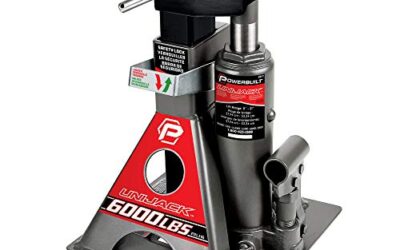
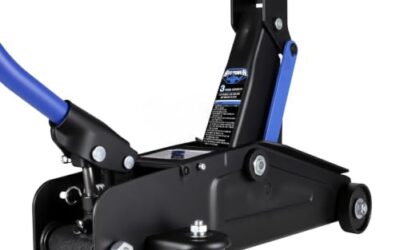
Floor jacks come in various designs, each with its own lift height capabilities. Standard floor jacks typically offer a maximum lift height of 18 inches, making them suitable for most passenger cars. Low-profile floor jacks are designed for vehicles with tight underbody clearance, providing a lower lift height but with a more compact design. Tall floor jacks, on the other hand, can reach heights of 24 to 30 inches or more, making them ideal for trucks, SUVs, and vehicles with higher ground clearance.
Each type of floor jack has its advantages and limitations. For example, a low-profile jack might be perfect for a sedan but inadequate for a taller vehicle. Conversely, a tall jack may be too cumbersome for smaller cars. Understanding the differences between these types is crucial for selecting the right tool. Additionally, some floor jacks offer adjustable lift heights, allowing users to customize the height based on their specific needs. This flexibility can be beneficial for DIY mechanics who work on a variety of vehicles.
When choosing a floor jack, consider not only the lift height but also the jack’s capacity to handle the vehicle’s weight. A jack with sufficient strength but insufficient height will not be effective. Similarly, a tall but weak jack may not provide the stability needed for heavier vehicles. Always balance these factors to ensure safe and effective lifting.
Expanding on Vehicle-Specific Considerations
While general guidelines are helpful, specific vehicle models can have unique requirements. For instance, electric vehicles may have different underbody designs due to battery placement, potentially affecting the optimal lift height. Similarly, vehicles with lowered suspensions or aftermarket parts will require careful calculation of the needed height. It is always best to consult the vehicle’s specific documentation for accurate information.
Furthermore, regional regulations and local laws may influence how vehicles are lifted. In some areas, there may be restrictions on the use of certain lifting equipment or requirements for professional assistance. Understanding these local factors can help ensure compliance and safety during the lifting process.
By taking the time to research and measure, users can avoid common pitfalls and ensure that their floor jack is properly suited to the task at hand. This thorough approach not only enhances safety but also improves the overall efficiency of vehicle maintenance and repairs.
When to Get Professional Help
If you are unsure about the lift height or the compatibility of your floor jack with your vehicle, it is best to seek professional help. Professional mechanics have the tools and knowledge to determine the correct lift height and ensure that the lift is performed safely. They can also provide guidance on the proper lift points and any specific requirements for your vehicle’s model year.
Additionally, if you are lifting a vehicle for the first time or if you have any doubts about your ability to perform the lift safely, consider having a professional do it. Lifting a vehicle incorrectly can lead to serious accidents, and it is not worth the risk. Professional help is also recommended if you are working on a vehicle that requires a lift height beyond the capabilities of a standard floor jack. In such cases, a professional lift or a taller jack may be necessary to ensure safety and efficiency.
Professional assistance can also be beneficial for complex repairs that require precise measurements and specialized equipment. By entrusting the task to experts, you can focus on other aspects of your vehicle maintenance while ensuring that everything is done correctly and safely.
FAQ
What is the standard lift height for a floor jack?
The standard lift height for a floor jack is typically 18 inches for passenger cars. However, this can vary depending on the jack model and the vehicle being lifted.
How do I know if my floor jack is tall enough?
To determine if your floor jack is tall enough, measure your vehicle’s ground clearance and add 4-6 inches for working space. Compare this to the jack’s maximum lift height.
Can I use a shorter jack on a taller vehicle?
No, a shorter jack may not be sufficient for taller vehicles. You should use a jack with a higher maximum lift height or seek professional assistance.
What should I do if my floor jack’s lift height is insufficient?
If your floor jack’s lift height is insufficient, consider using a taller jack or having a professional perform the lift. Safety should always be the priority.
Are there different types of floor jacks for different vehicles?
Yes, there are low-profile jacks for vehicles with low ground clearance and tall jacks for vehicles with higher clearance. Choose the appropriate type based on your vehicle’s requirements.