
Folding vs Roll Up Tonneau Cover
Folding and roll-up tonneau covers are two popular options for securing your truck bed. A folding tonneau cover is composed of rigid panels that fold down to store within the truck bed, offering a space-saving solution when not in use. In contrast, a roll-up tonneau cover uses a flexible material that rolls up onto a spool at the front of the bed, providing quick access and a sleek appearance. Both types protect your cargo from the elements, theft, and unauthorized access, but they cater to different user needs and preferences.
This article will compare the two styles in detail, including their pros and cons, compatibility with various vehicle models, installation considerations, and common mistakes to avoid. By the end, you’ll have a clear understanding of which folding vs roll up tonneau cover might be best suited for your pickup truck.
Key Takeaways
- Folding covers store compactly by folding vertically in the bed.
- Roll-up covers deploy quickly from the front for easy access.
- Both enhance security and weather protection.
- Compatibility is limited to full-size trucks with matching bed lengths.
- Durability and maintenance vary between the two types.
What Are Tonneau Covers?
Tonneau covers are truck bed accessories that cover the open bed of a pickup truck to create a secure enclosure. They are designed to keep cargo dry, secure it from theft, and improve the truck’s appearance. There are several types, but folding and roll-up tonneau covers are among the most common due to their versatility and effectiveness.
The choice between them often comes down to how you use your truck. If you frequently need to access the bed, a roll-up cover might be preferable. For those who want a more permanent solution and have space to store the cover, a folding cover could be ideal.
Understanding the Folding Tonneau Cover
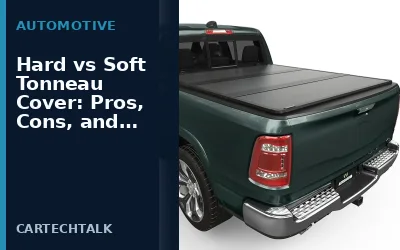
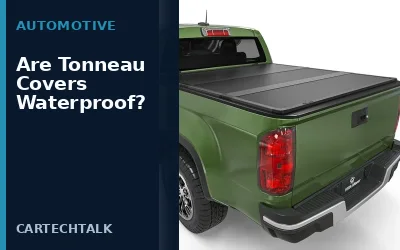
Folding tonneau covers are built with multiple rigid sections, usually made from aluminum or high-strength plastic composites. These panels are connected by hinges and fold down to fit inside the truck bed, often stacking or accordion-folding to minimize space usage. When closed, they provide a flat, secure surface over the bed.
One of the key advantages of folding covers is their ability to be stored vertically, which can save significant space compared to other styles. They are also known for their strength and resistance to weather, making them suitable for all types of climates. Many models include locking mechanisms that can be secured with a padlock for added security.
However, folding covers may require more time to deploy if you have to unfold several sections. This can be a drawback for users who need rapid access to their truck bed. Additionally, the weight of the rigid panels can make them slightly heavier than roll-up options.
Understanding the Roll-Up Tonneau Cover
Roll-up tonneau covers feature a flexible material, typically a heavy-duty vinyl or canvas, that is wound onto a spool mounted at the front of the truck bed. When the cover is closed, it rolls up smoothly, presenting a low-profile look that doesn’t interfere with the truck’s lines. Deployment involves unrolling the material from the spool, which can be done in seconds.
These covers are popular for their convenience and aesthetics. They are often used on trucks where the owner values quick access to the bed for loading and unloading items. The material is usually UV-resistant and waterproof, providing good protection against sun, rain, and snow.
Despite their benefits, roll-up covers have some limitations. The flexible material can be prone to tears or wear if not maintained properly, especially in high-traffic or abrasive environments. They also require proper tensioning to ensure they stay taut and secure. In extreme weather conditions, additional anchoring may be necessary to prevent the cover from lifting.
Folding vs Roll Up Tonneau Cover: Detailed Comparison
When comparing folding vs roll up tonneau covers, it’s important to consider several factors including deployment speed, storage requirements, durability, and security. Folding covers excel in space-saving storage but may be slower to use. Roll-up covers prioritize speed and low profile but may have shorter lifespans in harsh conditions.
Both types can improve truck security by creating a barrier to theft. However, the number of panels in a folding cover can make it more difficult for someone to cut through or remove the cover without tools. Roll-up covers, while still secure, might be easier to bypass if the material is not properly secured.
Another aspect is the impact on truck bed access. For roll-up covers, you can quickly roll it up to access the bed. For folding covers, you may need to unlock and fold each section, which takes more time but can be done systematically.
Comparison Table
| Aspect | Folding Tonneau Cover | Roll-Up Tonneau Cover |
|---|---|---|
| Storage Space | Requires some bed space for folding | Minimal storage space |
| Deployment Time | Longer, multiple steps | Very quick, one action |
| Material | Rigid panels | Flexible fabric |
| Durability | High, resistant to elements | Medium, material can wear |
| Security | Good, multiple locking points | Good, but material focus |
| Weather Protection | Excellent | Good, depends on material |
| Aesthetics | Can appear bulkier when stored | Low profile when closed |
| Maintenance | Simple cleaning | Inspect material regularly |
Compatibility Limits and Vehicle Models
Folding and roll-up tonneau covers are designed to fit a wide range of pickup trucks, but compatibility is highly dependent on the specific model and bed dimensions. Most full-size trucks like the Ford F-150, Chevrolet Silverado 1500, Ram 1500, Toyota Tundra, and Nissan Titan are compatible with aftermarket tonneau covers. However, the bed length must match exactly or with a proper fit kit.
For example, a cover intended for a 5.5-foot bed on a Ford F-150 may not fit a 6.5-foot bed on the same model without modifications. Always check the manufacturer’s specifications for your vehicle year, as some covers are universal while others are truck-specific. Additionally, some covers may require drilling or specific mounting points, which could affect warranty or resale value.
It’s important to note that tonneau covers are generally not compatible with short bed or extended cab configurations unless specifically designed for them. Regional variations in truck models or aftermarket availability may also play a role in compatibility.
Installation Process
The installation process for both types of tonneau covers involves several steps to ensure a proper fit and secure attachment. For folding covers, this includes aligning the panels with the bed sides, attaching hinges, and securing the locking mechanism. Roll-up covers require mounting the spool at the front, attaching the material, and adjusting tension.
Many users opt for professional installation to avoid potential damage to the truck bed or improper fit that could compromise safety. A professional can ensure that the cover is level, secure, and won’t interfere with the truck’s bed liner or other accessories. DIY installation is possible for those with mechanical experience, but it requires careful measurement and attention to detail.
After installation, test the cover’s operation thoroughly to confirm it locks securely and deploys smoothly without issues.
Maintenance and Care
Regular maintenance is essential for both folding and roll-up tonneau covers to ensure they last as long as possible. For folding covers, clean the panels with a mild soap solution and check all hinges and locks for proper function. Lubricate moving parts if necessary to prevent sticking.
Roll-up covers require more attention to the material. Inspect it regularly for tears, holes, or signs of wear. Clean the surface to remove dirt that could cause abrasion. In winter, remove snow and ice promptly to prevent damage from freezing. For both types, avoid using abrasive cleaners or high-pressure washers directly on the cover.
Common Mistakes
One frequent mistake is not measuring the bed length accurately before purchasing a tonneau cover. This can lead to a poor fit and frustration. Another common error is choosing a cover based only on price or appearance without considering the specific needs of your truck and usage. Some users also overlook the importance of proper tensioning for roll-up covers, leading to sagging or flapping in the wind.
Additionally, ignoring the material’s compatibility with your climate can result in premature failure. For instance, a roll-up cover in a very windy area may need extra anchoring. Always read the instructions carefully and consider consulting with a professional if you’re unsure about any aspect of the installation or selection process.
When to Get Professional Help
If you are not comfortable with the installation process or are unsure about the compatibility of a particular tonneau cover with your vehicle, it is best to seek professional help. A qualified mechanic or automotive accessory installer can assess your truck’s bed and recommend the right cover for your needs. This is especially important for roll-up covers where incorrect tension can lead to operational issues.
Professional installation also ensures that the cover is mounted safely and securely, reducing the risk of accidents or damage to your truck. If you experience any issues with your tonneau cover after purchase, such as misalignment or failure to lock, contacting the manufacturer or a professional can help resolve the problem efficiently.
FAQ
What is the primary difference between folding and roll up tonneau covers?
The primary difference is in their deployment method. Folding covers fold down to store in the bed, while roll-up covers roll up onto a spool at the front. This affects storage space, access speed, and overall use case.
Which tonneau cover is more secure?
Folding covers are often considered more secure due to their rigid construction and multiple locking points, making it harder for thieves to remove them. However, both can be made secure with proper locking mechanisms.
Are folding vs roll up tonneau covers compatible with all pickup trucks?
No, they are typically compatible with full-size pickup trucks but must match the bed length and width. Always verify fitment for your specific vehicle model and year.
How do folding and roll up tonneau covers affect truck bed access?
Roll-up covers allow for quick access by unrolling in seconds, while folding covers require more time to unfold sections, making them better for less frequent access.
Can tonneau covers be used in all weather conditions?
Yes, but roll-up covers may require additional anchoring in extreme weather to prevent them from lifting. Folding covers generally handle all conditions well due to their rigid design.