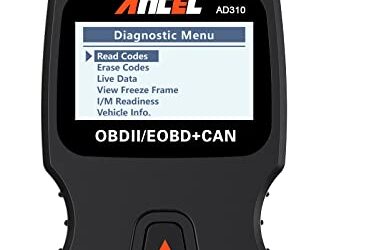
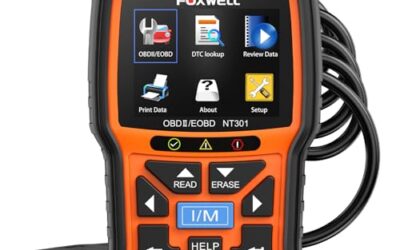
Code Reader vs OBD2 Scanner: What You Need to Know
A code reader is a basic diagnostic tool that reads and clears diagnostic trouble codes (DTCs) from your vehicle’s computer, while an OBD2 scanner is a more advanced device that can read codes, monitor live data, and perform various tests. The main difference lies in the level of detail and functionality provided by each tool. Choosing between them depends on your needs, from simple code reading to in-depth diagnostics.
- OBD2 scanners offer more features than basic code readers.
- Both connect to the OBD-II port.
- Essential for DIY maintenance.
- Professional help recommended for complex issues.
What is an OBD2 Scanner?
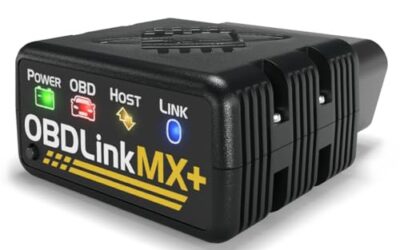
An OBD2 scanner is a device that plugs into the vehicle’s OBD-II diagnostic port to access the vehicle’s electronic control units (ECUs). It reads the diagnostic trouble codes, freeze frame data, and can display live sensor data. Advanced scanners can perform tests like reading and clearing codes, monitoring emissions, and more.
The OBD-II standard was introduced in 1996 for light-duty vehicles in the United States. It allows for standardized communication between the vehicle and external diagnostic tools. This standardization makes OBD2 scanners compatible with a wide range of vehicles manufactured after that year. Drivers can use these tools to monitor engine performance, check for emissions problems, and ensure their vehicle meets regulatory standards.
OBD2 scanners are invaluable for vehicle owners who want to take control of their car’s maintenance. By connecting the scanner, you can retrieve information that might otherwise require a trip to the dealership. This can save time and money, especially for those who enjoy tinkering with their vehicles or live in areas where independent mechanics are more accessible.
These tools operate on the standard 12-volt vehicle electrical system and use the 16-pin OBD-II connector found in most cars and light trucks. The communication follows protocols defined by the Society of Automotive Engineers and the International Organization for Standardization. Understanding this foundation helps explain why OBD2 scanners work across many different vehicle makes and models.
What is a Code Reader?
A code reader is a simpler version of a diagnostic tool focused primarily on reading and clearing diagnostic codes. It doesn’t provide live data or advanced testing capabilities but is sufficient for basic fault detection. Many code readers are designed to be user-friendly for everyday drivers who want to check for error codes without investing in more complex equipment.
Code readers are often sufficient for identifying issues like a faulty oxygen sensor or a loose gas cap that has triggered the check engine light. They provide a straightforward way to diagnose problems without the need for expensive or complicated devices. However, for more detailed analysis, an OBD2 scanner is necessary.
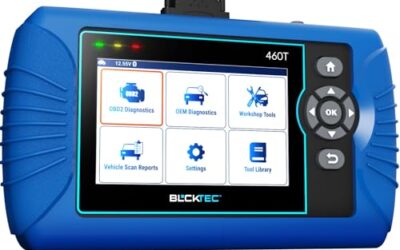
These basic tools typically include a display screen and simple buttons for navigation. They connect in the same manner as more advanced scanners but offer limited functionality. The focus remains on retrieving and erasing stored fault codes without delving into real-time monitoring or system testing.
Key Differences Between Code Readers and OBD2 Scanners
The practical difference is in the depth of information and capabilities. A code reader is typically sufficient for identifying and clearing simple codes, while an OBD2 scanner provides a comprehensive view of the vehicle’s systems.
| Feature | Code Reader | OBD2 Scanner |
|---|---|---|
| Code Reading | Yes | Yes |
| Code Clearing | Yes | Yes |
| Live Data Monitoring | No | Yes |
| Advanced Diagnostics | No | Yes |
| Cost | Lower | Higher |
| Compatibility | OBD-II | OBD-II |
| User Interface | Basic | More detailed |
These differences mean that while a code reader might cost less and be easier to use for beginners, an OBD2 scanner is better suited for those who want to delve deeper into their vehicle’s health. The table above summarizes the main distinctions to help you decide which tool fits your needs.
How Do They Work?
Both tools connect to the OBD-II port, which is located under the dashboard near the driver’s side. The port provides power and communication lines to the vehicle’s computer. The tool sends requests for data using the OBD-II protocol, which is based on the ISO 15765-4 standard for most vehicles.
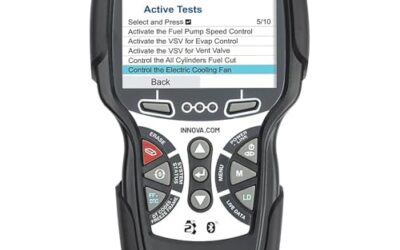
Once connected, the tool communicates with the engine control module and other modules to retrieve information. For code readers, this mainly involves querying for stored codes. For scanners, it extends to real-time data from sensors like oxygen sensors, temperature gauges, and more. This real-time data can help identify issues before they become critical.
The process is generally straightforward. Plug in the device, turn on the ignition, and follow the on-screen instructions. Most tools come with software that translates the data into readable formats. Understanding this basic operation is key to using either tool effectively.
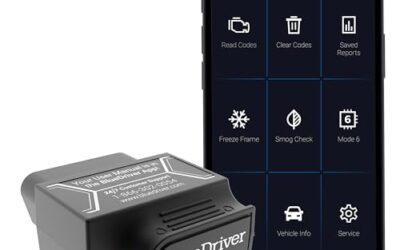
Many modern tools also support wireless connections via Bluetooth or USB for data transfer to computers or smartphones. This allows users to store logs and analyze trends over time without needing to keep the device plugged in constantly.
Compatibility and Limitations
OBD2 scanners are compatible with most vehicles manufactured since 1996 in the US, Canada, and Mexico. For vehicles before 1996, OBD-I systems may require different tools or adapters. Always check the vehicle manual or consult a professional for compatibility.
Some vehicles have additional ports or proprietary systems that may not be fully accessible with standard OBD2 tools. International vehicles may use different protocols, so a US-based OBD2 scanner might not work seamlessly in other countries. Voltage compatibility is generally 12 volts, but ensure your tool supports the correct connector type, which is usually the 16-pin OBD-II connector.
Limitations include the fact that not all modules may be accessible, and some advanced features may require specific scanner models. Firmware updates can also improve compatibility and add new features over time. Always verify compatibility with your specific vehicle model year and engine type before purchasing.
When to Use a Code Reader
Use a code reader when you want to check for error codes after a warning light illuminates or when performing basic maintenance. They are ideal for occasional use and are often sufficient for simple issues like a loose gas cap triggering a code. Code readers are perfect for drivers who occasionally need to diagnose minor problems without a full diagnostic session.
They are also useful for tracking codes after repairs to ensure the fix was successful. However, for ongoing monitoring, a more advanced tool might be better. The simplicity of a code reader makes it accessible to new users who are just starting to learn about vehicle diagnostics.
When to Use an OBD2 Scanner
Choose an OBD2 scanner for more thorough diagnostics, such as monitoring engine performance, checking for emissions issues, or when dealing with multiple fault codes. They are particularly useful for enthusiasts who want to track vehicle health over time or perform advanced testing. An OBD2 scanner can provide insights into how your vehicle is performing in real time, helping you make informed decisions about maintenance.
Scanners are essential for professional mechanics who need to diagnose complex issues quickly. For the average driver, they offer peace of mind by allowing you to stay on top of your vehicle’s condition. The ability to view live data can reveal subtle issues that might not show up in a simple code read.
Checklist: When to Choose a Code Reader Over an OBD2 Scanner
- Identify if the issue is simple and code-related only.
- Determine if live data or advanced tests are required.
- Consider your budget and technical comfort level.
- Check vehicle model year for compatibility.
- Evaluate if basic code reading and clearing meets your needs.
Common Mistakes to Avoid
One common mistake is assuming that clearing a code will fix the underlying problem. Clearing codes removes the fault history but does not repair the issue, so the code may return if the fault persists. Always diagnose the root cause before clearing the code.
Another mistake is ignoring the check engine light. Even if you clear a code, the light may remain on if the issue is not addressed. Always diagnose the root cause.
Using the wrong tool for your vehicle can lead to inaccurate readings or compatibility issues. Ensure the tool supports your vehicle’s model year and system. Misinterpreting the codes can also lead to unnecessary repairs or overlooking important information.
Finally, not understanding what the codes mean can be problematic. While tools provide the codes, interpreting them requires knowledge of automotive systems. If you’re unsure, consult a professional. Overlooking freeze frame data in scanners can also miss important context about the conditions when a fault occurred.
When to Seek Professional Help
If you encounter persistent codes, multiple warning lights, or if the issue affects safety systems like airbags or brakes, it’s best to consult a professional mechanic. DIY tools can help identify problems but may not provide the expertise needed to fix complex issues. Persistent codes can indicate serious mechanical problems that require specialized knowledge.
Additionally, if you’re not comfortable with the diagnostic process or lack the necessary tools, professional help ensures accurate diagnosis and repair. Safety should always be the priority when dealing with vehicle issues. If the check engine light comes on after maintenance or if you notice unusual performance, professional diagnosis is recommended.
FAQ
What is the difference between a code reader and an OBD2 scanner?
A code reader is basic and focuses on reading and clearing codes, while an OBD2 scanner offers advanced features like live data and tests.
Do I need an OBD2 scanner for my car?
It depends on your needs. A code reader may suffice for basic checks, but an OBD2 scanner is better for detailed diagnostics.
Can I clear codes with a code reader?
Yes, most code readers can read and clear codes, but always address the underlying issue.
What vehicles are compatible with OBD2 scanners?
Most vehicles from 1996 onwards in the US are compatible, but check your specific model year.
Is a code reader the same as an OBD2 scanner?
No, they are similar but code readers are simpler and less feature-rich than full OBD2 scanners.