Car Battery Voltage Drops Overnight
A car battery voltage that drops overnight is typically the result of a parasitic electrical drain or a failure in the vehicle’s charging system. This can leave your car unable to start the following morning. By understanding the underlying causes and learning how to test the battery and charging system, you can diagnose and resolve the problem efficiently.
Key Takeaways
- Normal rested battery voltage is 12.6 volts or higher for most vehicles.
- Overnight drops often indicate a small continuous draw from vehicle modules.
- Use a multimeter to measure voltage accurately at different conditions.
- Check the alternator output to rule out charging issues.
- Consider vehicle model year and electrical system voltage for compatibility.
Understanding Battery Voltage and Overnight Discharge
A healthy car battery maintains a voltage of approximately 12.6 to 12.8 volts when the engine is off and the vehicle is at rest. This resting voltage represents the battery’s stored energy after a period of inactivity. If the voltage drops to 12.4 volts or lower overnight, it means the battery is losing charge at an abnormal rate, often due to parasitic drains.
Parasitic drains occur when vehicle electronics continue to draw power even when everything is turned off. In modern vehicles, modules enter sleep mode to minimize this, but faults can cause them to stay active. A draw of just 20-50 milliamps can empty a typical battery in 24-48 hours, but higher rates empty it faster. This is why voltage drops overnight are common in vehicles with aftermarket accessories or faulty components.
Vehicle manufacturers set resting voltage specifications around 12.4-12.8 volts depending on temperature and battery condition. Always reference your vehicle’s manual for exact values, as they can vary slightly by model year. For instance, older vehicles from the 1990s may have slightly different behaviors, while newer models with advanced electronics have more modules that can contribute to drains. Uncertainty in readings can arise from temperature variations, where cold temperatures reduce voltage output, so testing in consistent conditions is important.
Compatibility limits are important to note. Most passenger cars use a 12-volt system, but some trucks or specialty vehicles may use 24 volts. For 24-volt systems, the resting voltage is typically 24.6 volts or higher. Always verify your vehicle’s electrical system voltage to ensure accurate testing. The chemical process in a lead-acid battery involves the conversion of chemical energy into electrical energy. When the battery is fully charged, it has a higher voltage. Over time, as it discharges, the voltage drops. Overnight, if there’s no charging, it continues to discharge slowly. This is normal for a healthy battery but accelerated if there’s a drain. Limitations include that voltage alone doesn’t tell the full story; a battery can have high voltage but low capacity if sulfated or aged.
How to Test Car Battery Voltage Safely
Safety is paramount when working with vehicle batteries. Disconnect the negative terminal before testing to prevent short circuits. Use a digital multimeter set to DC volts. Connect the red probe to the positive terminal and the black to the negative.
- Measure voltage with the engine off and all accessories off.
- Record the resting voltage.
- If below 12.4 volts, the battery is draining.
- Start the engine and measure again; it should read 13.7-14.7 volts if the charging system is functioning.
For load testing, a battery load tester can simulate starting conditions by drawing 50 amps for 15 seconds. A good battery should hold at least 9.6 volts under load. Temperature affects readings: cold temperatures can lower voltage readings, so test at normal operating temperatures if possible. Always ensure the multimeter is calibrated and probes are clean for accurate readings. The process requires patience to avoid damaging the multimeter or battery terminals.
Identifying Parasitic Drains
Parasitic drains are a primary cause of overnight voltage drops. To locate them, measure the voltage drop across the battery terminals with everything off. Then, disconnect fuses one by one and monitor if the voltage stabilizes. Common sources include interior lights left on, faulty door ajar switches, alarm systems, or aftermarket devices like GPS units or phone chargers.
In vehicles with start-stop systems, additional modules may increase baseline drain. Check for software updates that could fix module behavior. Uncertainty exists because some drains are very small and require sensitive testing equipment. Compatibility limits apply: older vehicles may not have the same module sleep modes as newer ones. For example, some 1990s vehicles had simpler systems with less parasitic draw, while 2010s models have more complex electronics. A common issue is a module that fails to enter sleep mode properly. This can be due to a short circuit in the wiring or a faulty sensor. In some vehicles, the BCM (Body Control Module) can be the culprit if it has a software issue. Always consider the age of the battery, as older batteries have reduced capacity and may show symptoms similar to drains.
Checking the Charging System
The alternator should maintain battery voltage while the engine runs. Test by noting engine-off voltage at 12.6V+ and engine-on voltage at 13.7-14.7V. If the running voltage is low, the voltage regulator or alternator diodes may be faulty. This test helps distinguish between battery capacity issues and charging problems.
Some vehicles have dual batteries or specific charging protocols. For example, certain trucks use 24-volt systems, requiring different testing procedures. Always ensure the multimeter is calibrated and probes are clean for accurate readings. Note that voltage readings can vary with temperature, with cold batteries showing lower readings. The alternator works by converting mechanical energy from the engine into electrical energy to charge the battery. If the diodes fail, the battery may not receive proper charge, leading to overnight drops. This is a common failure point in vehicles over 10 years old.
Vehicle-Specific Considerations
Most passenger cars use a 12-volt electrical system, but compatibility varies. For model years before 2000, systems might be similar but with different module behaviors. Modern vehicles with hybrid or electric features may have higher voltage systems or different charging requirements. Always consult your owner’s manual for vehicle-specific voltage specs and connector types for testing.
Regional factors like battery standards in different countries can affect performance, but in the US, standard 12V lead-acid batteries are common. Firmware updates in vehicle computers can sometimes reduce parasitic drains, so checking for updates is advisable. For vehicles with start-stop technology, the system may include additional modules that affect baseline drain rates. Some models may have different connector types for testing, such as specific terminals that require careful probe placement to avoid shorts.
Common Causes
- Parasitic drain from modules or accessories
- Faulty alternator or voltage regulator
- Bad battery connections or corroded terminals
- Aftermarket modifications
- Software glitches in body control modules
Common Mistakes
Replacing the battery without first testing the charging system. Ignoring small drains that accumulate over time. Using incorrect multimeter settings that lead to inaccurate voltage readings. Assuming all modules are completely off when some remain in a low-power state. Not considering temperature effects on voltage readings. Overlooking aftermarket accessories that may be drawing power continuously.
When to Get Professional Help
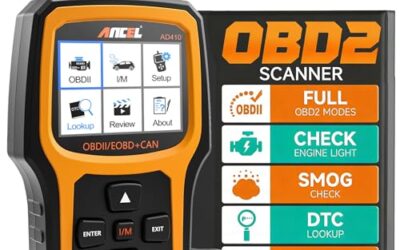
If basic voltage tests do not resolve the issue or if warning lights appear, seek professional diagnosis. Mechanics can use scan tools to check for codes in modules that might be causing drains. Professional help is recommended for complex electrical issues or if you encounter recurring problems after addressing obvious causes. Always explain the symptoms clearly to the technician for accurate diagnosis. They can also perform more advanced tests like oscilloscope analysis on the charging circuit if needed.
FAQ
What is a normal battery voltage overnight?
A normal rested voltage is 12.6 volts or above. Drops to 12.4 volts or lower indicate a problem.
How long does it take for a battery to drop overnight?
It depends on the drain rate, but 1-2% per hour can empty it in 8-12 hours.
Can a bad alternator cause overnight drops?
Yes, if it fails to charge the battery while the engine is running.
How to prevent battery voltage drops?
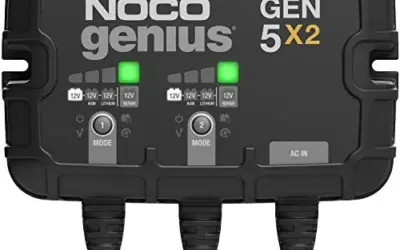
Regularly test voltage, address electrical issues promptly, and consider a maintainer for long-term storage.
Is it safe to jump start a low voltage battery?
Yes, but fix the underlying cause to avoid repeat issues.
Sources and further reading
- Battery Council International (Battery Council International): The lead battery industry association, with information on battery care and recycling.