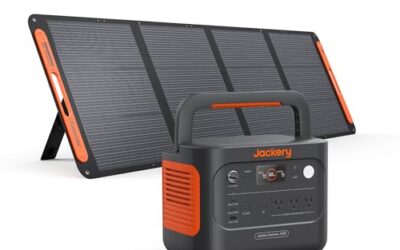
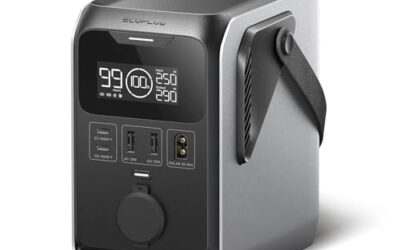
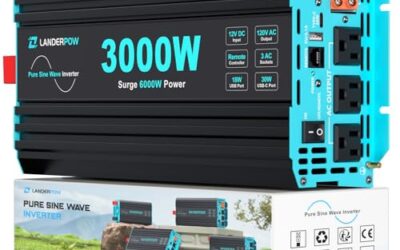
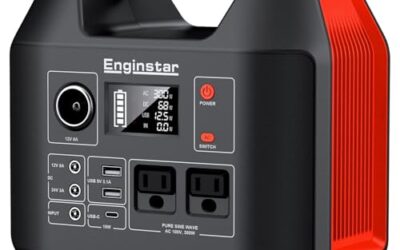
Yes, you can use a power inverter while driving. This setup allows you to power AC devices like laptops, phone chargers, or small appliances from your vehicle’s DC battery or electrical system. However, there are important considerations regarding safety, vehicle compatibility, and potential impacts on your vehicle’s electrical system.
Key takeaways include understanding the basics of inverters, safety protocols, and when to avoid use.
What is a Power Inverter?
A power inverter is an electronic device that converts direct current (DC) electricity, typically from a vehicle’s 12-volt battery, into alternating current (AC) that can power household appliances and electronics. In the context of automotive use, inverters are popular for providing portable AC power while traveling or working in the vehicle.
They work by using electronic components like transistors or MOSFETs to switch the DC current on and off rapidly, creating an AC waveform. There are two main types: modified sine wave and pure sine wave inverters. Modified sine wave inverters produce a waveform that is not a perfect sine but is adequate for most devices. Pure sine wave inverters produce a cleaner output similar to utility power, making them suitable for sensitive electronics like medical devices or audio equipment.
In vehicles, inverters are typically connected to the 12-volt battery system in conventional cars or to the high-voltage battery in electric vehicles. The inverter draws power from the vehicle’s battery, which is recharged by the alternator when the engine is running. This process allows you to use devices without needing a separate generator.
How Does It Work in a Vehicle?
When you plug an AC device into the inverter, the inverter converts the DC power to AC. The device then operates as if it were plugged into a wall outlet. However, this conversion process generates some heat, so inverters should be rated for the expected load and have adequate cooling.
While driving, the vehicle’s alternator works to maintain the battery charge. If the inverter is drawing significant power, it may slightly reduce the alternator’s ability to recharge the battery fully, but in most cases, this is manageable for short periods.
Can You Use a Power Inverter While Driving?
Yes, you can use a power inverter while driving, but it comes with some caveats. The primary considerations are safety, compatibility, and the impact on your vehicle’s systems.
Safety is paramount. Using an inverter while driving means you are operating electrical equipment in a moving vehicle. This increases the risk of distractions if you are handling devices, but more importantly, electrical faults can occur. Always ensure the inverter is securely mounted to prevent movement, and use heavy-duty cables to minimize voltage drop.
Compatibility is key. Not all vehicles are equipped to handle additional power draw. Conventional vehicles with 12V systems can handle inverters up to a certain wattage, typically 1000-2000 watts depending on the alternator. In electric vehicles, the inverter will draw from the main battery, which could impact range if used heavily.
Limitations include the vehicle’s electrical system capacity. Overloading can lead to voltage fluctuations, which may affect other vehicle electronics like lights, radio, or computer systems. It can also cause the battery to discharge faster, potentially stranding you if the engine is off.
Safety Warnings
Always follow these safety tips:
- Do not use inverters in enclosed spaces without ventilation to avoid carbon monoxide buildup if using a generator, but since it is from the vehicle, it is different.
- Check the inverter’s wattage rating and ensure it matches or is less than your vehicle’s alternator output.
- Monitor for overheating; stop use if it gets hot.
- Use GFCI outlets if available for added protection.
- Never modify the inverter or use damaged cables.
Vehicle Compatibility and Limitations
Compatibility depends on several factors, including the vehicle’s model year, electrical system voltage, and the type of inverter used.
For most passenger cars and light trucks from the last 20 years, a 12V system is standard. Newer vehicles may have 48V mild hybrid systems, which can still work with standard inverters but may have different charging behaviors.
In electric vehicles, the situation is different. EVs do not have an alternator; instead, the high-voltage battery powers everything. Using an auxiliary inverter will draw from the main battery, reducing range. For example, a 1000W inverter running for an hour could use up 1 kWh of battery capacity, which is significant in a smaller EV battery.
Connector types vary: cigarette lighter sockets, hardwire kits, or AC outlets. Ensure your inverter has the correct connector for your vehicle or use an adapter.
Phone OS and firmware are not relevant here, but for charging devices, ensure the inverter can provide stable voltage.
Common Mistakes
Many people make these errors when using power inverters while driving:
- Using an under-rated inverter: Choosing one with too low a wattage for the intended use, leading to overheating.
- Ignoring the vehicle’s battery capacity: Not realizing how much power is being drawn and how it affects the alternator or battery life.
- Using modified sine wave inverters for sensitive devices: Causing interference or damage to some motors.
- Driving while the inverter is running without securing it: Risk of accident if it falls or shorts.
- Not checking connections: Loose wires can cause arcing and fire.
When to Get Professional Help
If you experience unusual symptoms like dimming lights, strange noises from the electrical system, or if the inverter is not functioning as expected, it may be time to consult a professional mechanic or automotive electrician. They can diagnose issues related to the vehicle’s electrical system and ensure safe integration of the inverter.
Professional help is also recommended for installations in EVs or vehicles with complex electronics, as improper setup can void warranties or create safety risks.
Comparison of Inverter Types
| Type | Output Quality | Best For | Cost | Compatibility Notes |
|---|---|---|---|---|
| Modified Sine Wave | Basic waveform | General appliances, lights | Lower | Compatible with most 12V systems |
| Pure Sine Wave | Clean sine wave | Sensitive electronics, medical devices | Higher | Preferred for EVs and modern vehicles |
This table helps in choosing the right inverter based on your needs and vehicle type.
Benefits of Using a Power Inverter While Driving
Using a power inverter while driving offers several benefits. It allows you to work on the road, entertain passengers, or keep devices charged without stopping for gas or charging stations. For example, you can charge a laptop to stay productive during a long drive or use a small fan to stay cool in hot weather.
In the context of EVs, it can be particularly useful for running accessories that require AC power, like portable air conditioners or heaters, although these are less common in EVs due to their design.
The history of power inverters in automotive applications dates back to the early days of mobile electronics. As technology advanced, so did the need for reliable power conversion in vehicles. Today, with the increasing number of electronic devices in cars, inverters have become essential accessories for many drivers.
Understanding the basics is crucial for safe use. The primary keyword in this context is can you use a power inverter while driving, and the answer is yes with conditions.
Troubleshooting Common Issues
If you notice your devices not turning on or the inverter shutting off, first check the load and connections. If the problem persists, it may indicate a problem with the inverter or vehicle electrical system that requires professional diagnosis.
FAQ
Can you use a power inverter while driving?
Yes, but ensure it is safe and compatible with your vehicle.
What are the safety considerations?
Monitor for heat, secure installation, and proper rating.
Does it affect EV range?
Yes, it draws from the battery, potentially reducing range.
What type of inverter is best?
Pure sine wave for most uses.
How long can I use it?
As long as the vehicle can supply power without issues, typically while driving with engine running.
Is there a difference between using it in a gas car vs EV?
Yes, in gas cars, the alternator can handle the load better, while in EVs, it directly impacts battery life.