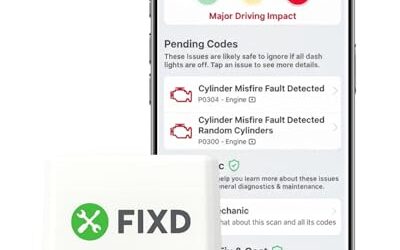
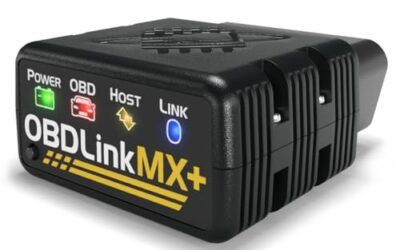
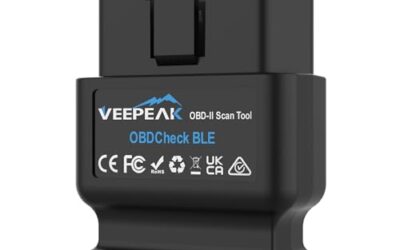
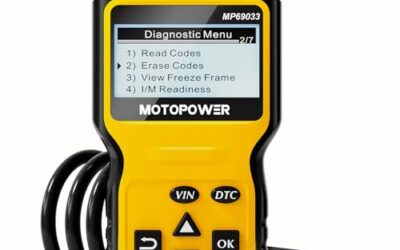
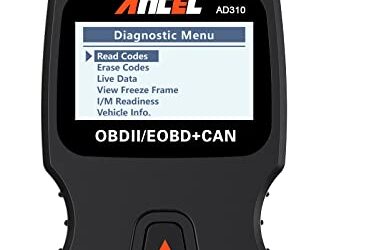
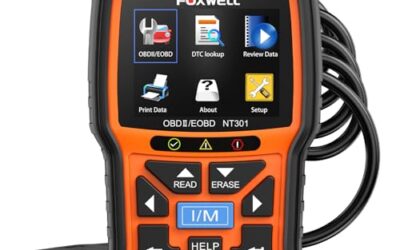
Yes, an OBD2 scanner can detect some transmission problems in vehicles equipped with a compatible transmission control module. However, it cannot identify all types of transmission issues, particularly those that are mechanical or electrical but not logged as codes. This article explains what an OBD2 scanner can and cannot do when it comes to diagnosing transmission faults, helping you understand the tool’s capabilities and limitations.
Key takeaways
- OBD2 scanners read codes from the TCM in OBD2-compliant vehicles.
- They detect issues like shifting problems or fluid leaks if tied to sensors.
- Older vehicles without OBD2 may not be supported.
- Always check vehicle compatibility.
- Clearing codes does not fix underlying problems.
- Live data can provide additional insights into transmission performance.
What is an OBD2 Scanner?
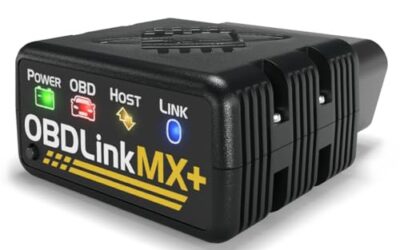
An OBD2 scanner is a diagnostic tool that connects to a vehicle’s OBD2 port to retrieve information from the vehicle’s electronic control units. The OBD2 standard was introduced in 1996 in the United States to help mechanics diagnose engine and related systems more effectively. It was part of the effort to reduce vehicle emissions and improve vehicle reliability.
These scanners can read live data, freeze frame data, and diagnostic trouble codes. For transmission problems, they focus on the transmission control module (TCM), which manages shifting, torque converter, and related functions. The TCM is essentially the brain of the automatic transmission system in modern vehicles.
The OBD2 port is typically located under the dashboard on the driver’s side. It uses a standard 16-pin connector and operates on a 12-volt vehicle electrical system. When connecting, ensure the ignition is off to avoid any issues.
How Does an OBD2 Scanner Work with Transmission Systems?
The transmission system in modern vehicles is highly computerized. The TCM communicates with other modules via the CAN bus or other protocols. An OBD2 scanner can access the TCM if the vehicle is OBD2 compliant. This allows the scanner to read codes, monitor parameters, and sometimes even perform basic tests.
Compatibility depends on the model year. Most vehicles manufactured after 1996 in the US have OBD2. For example, GM vehicles from 1996 onwards, Ford from 1996, and Toyota from 1997 or so. However, some European vehicles may have variations in the implementation of OBD2 standards.
To use it, you plug the scanner into the OBD2 port under the dashboard. Then, you select the vehicle and the transmission module to read codes. Some scanners can read multiple modules at once, including the TCM.
It’s important to note that the scanner must be compatible with the vehicle’s protocol. For vehicles with OBD2, it should support the specific manufacturer protocols if needed. Updating the scanner’s firmware can improve compatibility and add support for newer vehicles.
What Transmission Problems Can OBD2 Scanners Detect?
OBD2 scanners can detect codes related to the transmission control system. Common codes include:
- P0700 – Transmission Control System Malfunction: This code indicates that the TCM has detected a problem in the transmission control system. Possible causes include faulty sensors, wiring issues, or a failing TCM.
- P0701 – Transmission Control System Range/Performance: The TCM is not able to properly control the transmission. This could be due to issues with the shift solenoids or the valve body.
- P0711 – Transmission Fluid Temperature Sensor Circuit Range/Performance: The sensor that measures transmission fluid temperature is not functioning within the expected range. This might be caused by a bad sensor or damaged wiring.
- P0741 – Torque Converter Clutch Circuit Low: The torque converter clutch is not engaging properly. This can lead to shuddering or other shifting issues.
- P0750 – Shift Solenoid A Malfunction: The shift solenoid controlling the first gear is not working. This affects the shifting behavior of the transmission.
These codes can indicate issues with sensors, solenoids, or the control system itself. For instance, a P0711 code might point to a faulty transmission temperature sensor, which could be caused by wiring issues or a bad sensor. By reading these codes, you can narrow down the problem area.
Additionally, some scanners can provide live data, such as transmission fluid temperature, throttle position, and shift timing. This can help in diagnosing intermittent issues or verifying repairs.
However, not all problems are code-based. If the TCM is not communicating or if the issue is purely mechanical like a broken gear or worn clutch, the scanner may not detect it. For example, a worn clutch pack may not set a code until it fails completely.
Limitations of OBD2 Scanners for Transmission Diagnosis
While OBD2 scanners are useful, they have several limitations when it comes to transmission problems.
- They only detect issues that trigger diagnostic trouble codes. Many transmission faults, especially mechanical wear, do not set codes until they are severe.
- Some vehicles have TCMs that are not fully OBD2 compliant, meaning certain codes may not be readable or the scanner may not support the full range of codes.
- OBD2 does not provide information on fluid levels or condition, which are critical for transmission health. You still need to check the transmission fluid manually using the dipstick.
- Live data can show parameters like shift times or torque converter clutch status, but interpreting this requires experience and knowledge of the specific vehicle.
- Regional variations: In some countries, OBD2 standards differ, but in the US, it’s standardized. Always ensure your scanner supports the correct protocol for your region.
Here is a table summarizing common transmission codes and their meanings:
| Code | Description | Possible Cause |
|---|---|---|
| P0700 | Transmission Control System Malfunction | TCM failure, wiring issues, or sensor problems |
| P0711 | Transmission Fluid Temp Sensor Circuit Range/Performance | Bad sensor, wiring damage, or corrosion |
| P0740 | Torque Converter Clutch Circuit/Open | Stuck clutch, solenoid failure, or electrical issue |
| P0756 | Shift Solenoid B Performance | Solenoid or valve body issue |
| P0761 | Shift Solenoid C Performance | Similar to above, related to shifting |
These are examples; always refer to a reliable code chart for your vehicle. Manufacturer-specific codes may vary slightly.
Common Mistakes When Using OBD2 for Transmission Issues
Many people make errors when diagnosing transmission problems with OBD2 scanners.
- Clearing codes without addressing the root cause. This can lead to the problem returning as the underlying fault is not fixed.
- Assuming all codes are transmission related. Some codes may be from the engine or other systems like ABS or airbags.
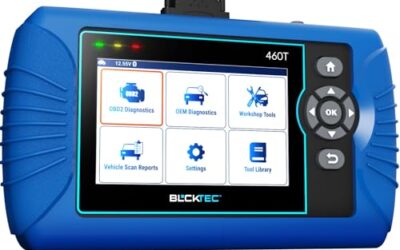
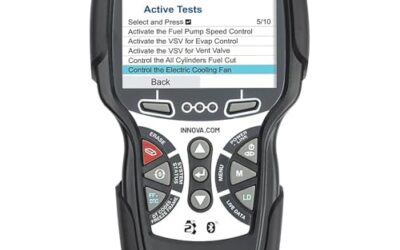
- Ignoring the need for professional diagnosis. For complex transmissions like in automatic transmissions with multiple speeds, a scan tool alone may not suffice. A professional may use a bi-directional scanner to test components.
- Not checking for other symptoms like unusual noises or shifting behavior before using the scanner. Some issues may not set codes but are still present.
- Using a scanner that only reads engine codes, not transmission. Ensure the scanner can access the TCM module.
- Driving the vehicle with a detected code without fixing it. This can lead to further damage or safety issues.
When to Get Professional Help
If your OBD2 scanner detects a code related to the transmission, or if you notice symptoms like slipping gears, harsh shifting, or delayed engagement, it’s best to consult a professional mechanic. They can use more advanced tools like a bi-directional scanner to test actuators and perform tests that a basic OBD2 scanner cannot.
Professional help is also necessary for vehicles with complex transmissions, such as those with CVT or dual-clutch systems, where the TCM is integrated with other systems. Additionally, if the vehicle is under warranty or has a complex issue, professional diagnosis ensures accurate repairs and prevents further damage.
Furthermore, if the basic scanner does not read any codes but the vehicle is exhibiting transmission problems, it may indicate an issue with the TCM or other modules that require specialized equipment.
Using Live Data to Diagnose Transmission Issues
Many OBD2 scanners can display live data from the transmission module. This includes parameters like transmission fluid temperature, engine RPM, throttle position, and shift timing. By monitoring these parameters while driving, you can identify if the transmission is shifting at the correct times or if there are anomalies.
For example, if the fluid temperature is too high or low, it might indicate a problem with the cooling system or sensor. Live data can also show if the torque converter clutch is engaging properly.
However, interpreting live data requires knowledge of expected values for your vehicle. Refer to service manuals for specific parameters.
FAQ
Can an OBD2 scanner detect all transmission problems?
No, it can only detect those that set diagnostic trouble codes. Mechanical issues like worn components may not trigger codes until they fail completely.
What vehicle years are compatible with OBD2 for transmission diagnostics?
Most vehicles from 1996 onwards in the US are OBD2 compliant. Always check your specific model year and manufacturer guidelines to confirm compatibility.
How do I read transmission codes with an OBD2 scanner?
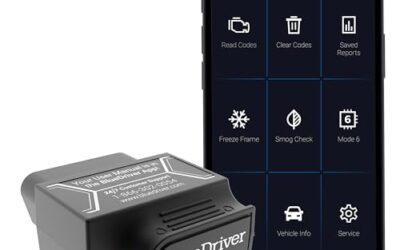
Plug in the scanner, select your vehicle, go to the transmission module, and read the codes. Some apps on phones can do this too, but ensure they support the vehicle and module.
Do I need a professional OBD2 scanner?
For basic code reading, a basic scanner or app suffices. For advanced diagnostics, a professional tool with bi-directional control is better.
Does clearing a transmission code fix the problem?
No, clearing codes does not repair the underlying issue. You must fix the problem first, then clear the code if necessary.
By understanding these aspects, you can effectively use an OBD2 scanner to diagnose transmission problems in compatible vehicles. Remember that while it provides valuable information, it is not a substitute for professional mechanical expertise when dealing with complex transmission systems.
Sources and further reading
- J1962 Diagnostic Connector standard (SAE International): The industry standard that defines the 16-pin OBD2 diagnostic connector.
- J1979 E/E Diagnostic Test Modes standard (SAE International): The standard behind the diagnostic modes and data a generic OBD2 scan tool can request.