
Can a frozen car battery be charged? Not while it is frozen. Charging or jump-starting a frozen battery can cause damage or a dangerous failure; let it thaw safely, then check its condition and follow the battery and vehicle instructions.
Key takeaways
- Do not charge or jump-start a battery that is frozen, cracked, bulging, or leaking.
- A discharged lead-acid battery is more likely to freeze in cold weather than a fully charged one.
- Thaw the battery gradually in a suitable, ventilated place, away from flames and sparks.
- After thawing, inspect it and use only a charger compatible with its voltage and battery chemistry.
- A battery can thaw and still be damaged or unable to hold a charge. Testing may be needed.
Why can a car battery freeze?
Most conventional 12-volt car batteries use lead-acid chemistry. Their electrolyte contains water and sulfuric acid. As the battery discharges, the electrolyte becomes more water-like and can freeze at a less extreme temperature than electrolyte in a fully charged battery. Cold weather also reduces a battery’s ability to deliver starting power.
These factors can combine: a weak or discharged battery may freeze during a cold spell, then struggle to start the engine even after temperatures rise. A battery that looks normal from the outside may still have internal damage, so appearance alone cannot confirm that it is safe to charge.
Some vehicles use AGM or other lead-acid battery designs. Others may use a different chemistry for a 12-volt auxiliary battery. The battery label and vehicle manual determine which charging procedure and charger mode apply. Do not assume every 12-volt battery uses the same charging settings.
How to tell whether a battery is frozen
Visible ice, a cracked case, or a case that bulges outward can indicate freezing or damage. Leaking fluid is another stop sign. Do not touch leaked electrolyte with bare hands or try to charge that battery.
A battery can also be extremely cold without being frozen. You may not be able to confirm its condition by looking at it. If you suspect it froze, treat it as frozen until it has thawed and can be inspected. A slow engine crank or clicking sound alone does not prove that ice formed; a discharged battery, poor connection, or starter problem can cause similar symptoms.
| What you see | What it may mean | What to do |
|---|---|---|
| Ice, bulging, cracks, or leaking | Possible freezing or case damage | Do not charge or jump-start it. Keep clear of leaks and arrange safe inspection or replacement. |
| No visible damage, but battery may have frozen | Internal damage remains possible | Let it thaw gradually, then inspect and test before charging. |
| Battery is cold, with no signs of ice or damage | Cold may reduce starting power without freezing | Check the manual and battery condition. Use a compatible charger only within its stated operating limits. |
Can a frozen car battery be charged after thawing?
Possibly, if the battery thaws fully and has no visible damage. Thawing does not repair a cracked case, restore lost capacity, or prove that internal components remain sound. If the battery froze while discharged, it may have suffered lasting damage.
Before connecting a charger, check the battery type, nominal voltage, and charger instructions. A charger’s mode for standard flooded batteries may not suit an AGM battery or another chemistry. The charger must also allow operation at the battery’s current temperature. Follow the temperature limits and connection sequence in both manuals.
Do not choose a charging mode based on guesswork. If the battery is swollen, cracked, leaking, unusually hot, or giving off an unusual odor after thawing, stop. Do not connect a charger. Ask a qualified battery shop or technician to inspect it.
Safe steps after suspected freezing
- Turn off the vehicle. Do not try to start it, charge the battery, or use a jump starter while the battery may be frozen.
- Inspect from a safe distance. Look for ice, cracks, swelling, or fluid. If the case is damaged or leaking, do not handle or charge it. Seek professional help.
- Thaw it gradually. If there is no visible damage, let the battery warm in a dry, ventilated place away from open flames, sparks, heaters, and other ignition sources. Do not use a heat gun, hair dryer, boiling water, or other direct heat.
- Check it again when thawed. Look for damage or leaks that were hard to see while cold. A battery that appears intact may still need testing.
- Use a compatible charger only if the battery is suitable for charging. Match charger voltage and battery chemistry, then follow the vehicle and charger manuals. Do not leave an abnormal battery connected.
- Test the result. If the battery will not accept or hold a charge, or the vehicle still will not start, stop repeated charging attempts and arrange a battery and charging-system check.
For charger behavior in low temperatures, see our guide to battery chargers for cold weather. If you are comparing maintenance charging with regular charging, our NOCO GENIUS vs. Battery Tender comparison explains how those charger families differ.
Can you jump-start a frozen battery?
No. Do not jump-start a battery that may be frozen or has a damaged case. Jump-starting sends high current through the battery and does not make a frozen or unsafe battery suitable for use. Wait until it thaws, inspect it, and follow the vehicle manual. If you cannot establish that it is safe, call for roadside assistance or a technician.
A jump-start also does not establish that the battery is healthy. If the engine starts, the battery may still fail again, and the vehicle’s charging system may need diagnosis. Avoid repeated jump attempts when the battery is damaged or the cause of the no-start is unclear.
Common mistakes
- Charging before thawing: A charger cannot safely fix a battery that may contain ice. Wait and inspect first.
- Using direct heat: Rapid or uneven heating can damage the case and create hazards. Allow gradual thawing instead.
- Assuming a cold battery is frozen: Cold reduces starting performance, but symptoms do not confirm ice or internal damage. Inspect and test.
- Assuming thawed means healthy: A battery can thaw while retaining damage. Check condition and charging behavior.
- Using the wrong charger mode: Battery designs and vehicle requirements differ. Match the charger to the battery label and manuals.
- Leaving a charger connected to a damaged battery: Cracks, swelling, leaks, heat, or unusual odor mean stop and seek qualified help.
When to get professional help
Get help if the battery case is cracked, swollen, or leaking; if you cannot tell whether it is frozen; or if the battery behaves abnormally after thawing. A battery professional can assess whether it can be charged and tested safely.
Ask for further diagnosis if a charged or replacement battery does not solve the starting problem. Loose or corroded connections, a failing alternator, excessive vehicle draw, or a starter fault can also cause repeated no-starts. The right check depends on the vehicle and its electrical system.
For batteries that remain installed during cold-weather storage, see our guide to battery maintainers for winter storage. A maintainer is not a way to charge a battery that is frozen or damaged.
Gear that can help
If you need battery chargers and maintainers or battery testers for this job, these picks already appear in our battery chargers and maintainers guides. Check the full guide for fit and who should skip each one.

Pros
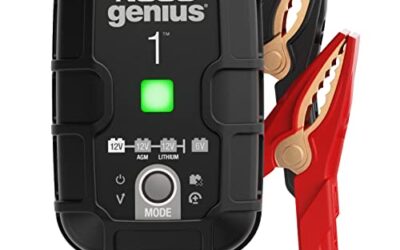
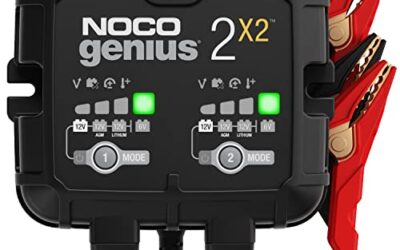
- Supports both lead-acid and lithium-ion battery types
- Works with 6V and 12V batteries
- Provides a Force Mode for batteries with very low voltage
- Includes temperature compensation and automatic maintenance features
Cons
- The listing does not include detailed electrical or physical specifications
- The source listing shows 0 customer reviews
Best For / Avoid If
Best for buyers prioritizing
- Supports both lead-acid and lithium-ion battery types
- Works with 6V and 12V batteries
- Provides a Force Mode for batteries with very low voltage
Consider another option if
- The listing does not include detailed electrical or physical specifications
- The source listing shows 0 customer reviews

Pros
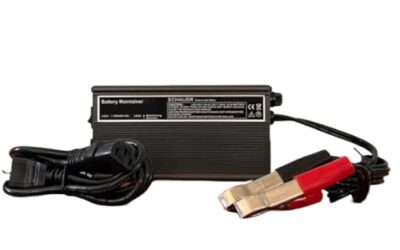
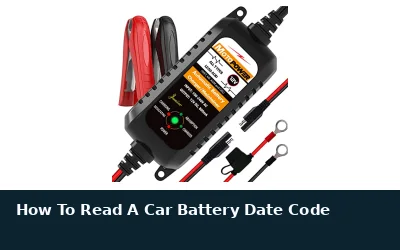
- Combines charging, maintenance, trickle charging, and desulfation functions
- Supports several 12V lead-acid battery types, including AGM and gel cell
- Requires no manual desulfation operation
- Includes multiple safety protections and a programmed 24-hour timer
Cons
- Compatibility is limited in the listing to 12V lead-acid battery types
- The listing does not include a detailed specifications list
Best For / Avoid If
Best for buyers prioritizing
- Combines charging, maintenance, trickle charging, and desulfation functions
- Supports several 12V lead-acid battery types, including AGM and gel cell
- Requires no manual desulfation operation
Consider another option if
- Compatibility is limited in the listing to 12V lead-acid battery types
- The listing does not include a detailed specifications list

Pros
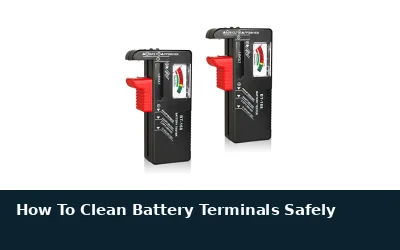
- Supports multiple common battery sizes and types
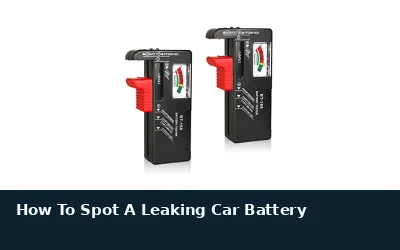
- Includes separate voltage ranges for alkaline, rechargeable, and lithium button cell batteries
- Provides voltage and strength indications through an LED display
- Uses a three-step operating process
Cons
- The battery must be removed after testing
Specifications
| Color | Black |
|---|---|
| Size | Compact |
| Dimensions | 3.53 x 1 x 0.98 inches |
| Product Group | Automotive Parts and Accessories |
| Binding | Unknown Binding |
Best For / Avoid If
Best for buyers prioritizing
- Supports multiple common battery sizes and types
- Includes separate voltage ranges for alkaline, rechargeable, and lithium button cell batteries
- Provides voltage and strength indications through an LED display
Consider another option if
- The battery must be removed after testing
FAQ
Can I charge a car battery in freezing weather?
Temperature alone does not establish whether charging is safe. The battery must not be frozen or damaged, and the charger must support the battery chemistry and temperature. Follow the charger and vehicle instructions.
Will a frozen battery work after it thaws?
It may, but thawing does not prove it is undamaged. Inspect it and have it tested if it will not charge, hold a charge, or start the vehicle reliably.
Should I remove a frozen battery from the car?
Follow the vehicle manual. Battery removal can affect vehicle electronics, and a damaged or leaking battery should not be handled casually. Ask a technician if removal or transport is needed.
Can I use a battery maintainer on a frozen battery?
No. A maintainer is still an electrical charger. Do not connect one until the battery has thawed, passed inspection, and meets the charger’s operating requirements.
Sources and further reading
- Battery Council International: Battery-industry resources and information for vehicle battery owners.