
Do Tonneau Covers Improve Gas Mileage
Tonneau covers can offer a modest improvement in gas mileage by reducing aerodynamic drag on your truck. However, the actual benefits are often minimal and depend on several factors like your vehicle’s speed and the type of cover used.
Key takeaways
- Small potential improvement in fuel efficiency, typically a few percent at highway speeds
- Hard covers tend to offer better aerodynamic performance than soft covers
- Benefits are more pronounced at higher speeds and with larger trucks
- Always ensure proper fitment for your specific vehicle model year
What is a Tonneau Cover?
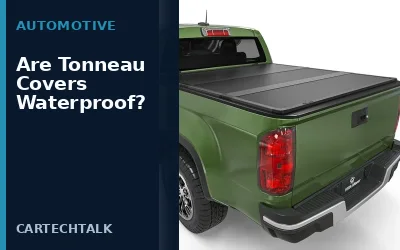
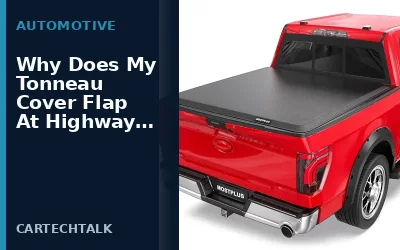
A tonneau cover is a protective device designed to cover the open bed of a pickup truck. These covers come in two primary forms: soft tonneau covers, which are made from flexible materials such as vinyl or canvas, and hard tonneau covers, which are constructed from rigid materials like aluminum, fiberglass, or carbon fiber. The purpose of a tonneau cover is to secure cargo, protect against weather elements, and enhance the appearance of the vehicle. Understanding the different types is essential because each can have varying impacts on aerodynamics and, consequently, fuel efficiency.
How Tonneau Covers Affect Aerodynamics
The main mechanism by which tonneau covers can influence fuel economy is through their effect on aerodynamics. Aerodynamic drag is the resistance that air exerts on a moving object. In the case of a pickup truck, an open bed creates a large opening at the rear that can disrupt the airflow over the vehicle. This disruption increases the drag, requiring the engine to work harder to maintain speed, which in turn consumes more fuel.
By installing a tonneau cover, the open bed is closed off, allowing the airflow to pass over a more continuous surface. This can reduce turbulence and lower the overall drag coefficient of the vehicle. The drag coefficient is a dimensionless number that represents the drag force relative to the dynamic pressure of the flow and the reference area. A lower drag coefficient means less drag force for the same speed.
It is important to recognize that while this principle is well-established in automotive engineering, the magnitude of the improvement from a tonneau cover is generally small. The change in drag coefficient might be on the order of 0.01 to 0.05, depending on the design, but without specific testing, exact values cannot be determined for every combination of truck and cover. This uncertainty means that while there may be some benefit, it is not guaranteed to be significant enough to notice in daily driving.
Types of Tonneau Covers and Their Aerodynamic Properties
Soft tonneau covers are often made from durable vinyl or canvas materials that can be rolled up for access. These covers can provide some aerodynamic benefit if they are properly installed and tensioned to lie flat against the bed. However, soft covers may not seal as tightly as hard covers, potentially allowing some air to leak or flap, which could increase drag in certain conditions. Additionally, soft covers can be more susceptible to damage from wind or debris.
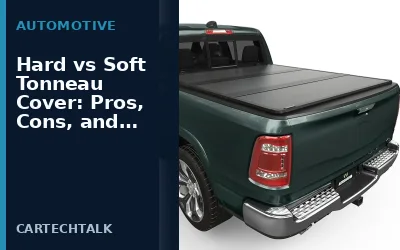
Hard tonneau covers, on the other hand, offer a more rigid and streamlined profile. Materials such as aluminum provide a lightweight yet strong structure, while fiberglass or carbon fiber can be even lighter and more aerodynamic. Hard covers typically create a smoother transition from the cab to the bed, reducing the likelihood of airflow separation. They are also more durable and less prone to flapping or damage, making them a preferred choice for those seeking better aerodynamic performance.
Some hard covers are designed with specific aerodynamic features, such as rounded edges or integrated vents, to further minimize drag. These features can be particularly beneficial at higher speeds where air resistance is more dominant.
Factors That Influence the Impact on Gas Mileage
Several factors can affect how much a tonneau cover improves gas mileage. The most significant is vehicle speed. At low speeds, such as in city driving, aerodynamic drag is a minor contributor to fuel consumption. In these conditions, the benefits of a tonneau cover are negligible compared to other factors like engine efficiency and tire rolling resistance.
At highway speeds, however, aerodynamic drag becomes more important. On a long stretch of highway, the reduction in drag from a tonneau cover can lead to a small but measurable improvement in fuel efficiency. For example, a truck traveling at 65 miles per hour may see a slight increase in miles per gallon compared to the same truck with an open bed. The effect becomes more noticeable as speed increases, up to a point where other limitations like engine power or transmission efficiency come into play.
Another factor is the size and shape of the truck bed. Larger beds with more open area will benefit more from a cover because there is more drag to reduce. However, even with a large bed, the improvement is relative and depends on the quality of the cover. Truck models with different bed designs, such as those with integrated steps or different tailgate configurations, may have varying compatibility with tonneau covers.
Driving conditions also play a role. Windy weather can increase drag, and a poorly secured cover might act like a sail, worsening the situation. Temperature and altitude have minor effects, but they are generally not significant enough to alter the outcome substantially. It is always best to drive in calm conditions to maximize the potential benefits of any aerodynamic accessory.
Compatibility and Installation Considerations
Compatibility is crucial when considering a tonneau cover. The cover must be specifically designed for the make, model, and year of the truck. Bed dimensions, mounting points, and any unique features like bed liners or tailgates can affect fitment. For instance, a cover made for a 2018 Chevrolet Silverado may not be compatible with a 2021 model due to changes in the bed floor or side rails.
Installation should be done carefully to ensure the cover is secure and level. For hard covers, professional installation is often recommended because it involves precise alignment of mounting hardware and sealing to prevent gaps. Improper installation can lead to increased drag or even safety issues if the cover shifts during driving.
Soft covers are typically easier to install, often requiring only basic tools and some time. However, they must be tensioned properly to avoid sagging or flapping. Regular checks should be made to ensure the cover remains in good condition and does not interfere with the truck’s operation.
Limitations and Uncertainties
While tonneau covers can improve gas mileage, there are several limitations to consider. The improvement is generally small and may not be worth the cost or effort for some drivers. Other vehicle modifications, such as changing tires or improving engine tuning, might offer more substantial benefits. Additionally, the cover must be maintained to keep its aerodynamic properties intact. Dirt, mud, or ice can add to the drag or affect the seal.
There is uncertainty in predicting the exact impact without testing the specific vehicle and cover combination. Automotive testing often involves wind tunnels or simulations, but these controlled environments may not fully replicate real-world driving conditions. Factors like road surface, traffic patterns, and driver habits can all influence the observed fuel economy.
Safety is another consideration. A tonneau cover must not compromise the vehicle’s stability, braking, or visibility. Ensure that the cover is securely fastened and does not create any protrusions that could catch on objects. In some cases, covers may affect the truck’s ability to carry certain loads or access the bed.
Common Mistakes to Avoid
- Selecting a tonneau cover that is not compatible with your truck’s model year and bed size
- Installing the cover without ensuring it is properly sealed and level
- Using a soft cover in windy conditions without adequate securing mechanisms
- Neglecting regular maintenance, such as cleaning or tightening hardware
- Expecting the cover to provide dramatic improvements without considering other factors like tire pressure and alignment
Alternatives to Tonneau Covers for Improving Fuel Efficiency
While tonneau covers are one way to address aerodynamic drag, there are other options. Maintaining proper tire pressure can reduce rolling resistance, which is often more significant than drag at lower speeds. Using aerodynamic accessories, such as side mirrors that are flush-fitting or a rear window deflector, can also help. However, these must be chosen carefully to avoid increasing drag elsewhere on the vehicle.
Driving habits play a large role in fuel efficiency. Maintaining a steady speed, avoiding rapid acceleration, and using cruise control on highways can all contribute to better mileage. Regular vehicle maintenance, including engine tune-ups and tire rotations, is essential for optimal performance.
FAQ
Do tonneau covers improve gas mileage?
Tonneau covers can provide a small improvement in gas mileage by reducing aerodynamic drag, but the benefits are typically modest and vary based on speed, cover type, and vehicle characteristics.
Are hard tonneau covers better for fuel efficiency than soft ones?
Hard tonneau covers generally offer better aerodynamic performance due to their smoother and more rigid design, which can reduce drag more effectively than soft covers.
Does a tonneau cover affect the vehicle’s warranty?
Most manufacturers do not consider the addition of a tonneau cover to void the warranty, but it is recommended to check with the dealer for specific policies.
Can tonneau covers help with cold weather performance?
Yes, tonneau covers can help retain heat in the bed and protect cargo from snow and ice, but their primary benefit for fuel efficiency is aerodynamic rather than thermal.
How do I choose the right tonneau cover for my truck?
Choose a cover that is specifically designed for your truck’s make, model, and year. Consider the material and type based on your needs for durability, ease of use, and aerodynamic performance.
Comparison of Tonneau Cover Types
| Type | Potential Aerodynamic Benefit | Installation Difficulty | Durability | Best For |
|---|---|---|---|---|
| Soft Vinyl | Low to Medium | Easy | Medium | Budget-conscious users |
| Hard Aluminum | Medium | Moderate | High | Daily drivers seeking balance |
| Hard Fiberglass | Medium to High | Moderate | High | Those wanting maximum aero |
The Science Behind Aerodynamic Drag
Aerodynamic drag is one of the two main components of drag on a vehicle, the other being rolling resistance. Rolling resistance is caused by the tires rolling on the road surface and is relatively constant regardless of speed. Aerodynamic drag, however, increases with the square of the speed. This is why the benefits of reducing drag become more apparent at higher speeds. The formula for drag force is F_d = 0.5 * rho * v^2 * Cd * A, where rho is air density, v is velocity, Cd is drag coefficient, and A is frontal area. By reducing Cd with a tonneau cover, the drag force is reduced, leading to less power required from the engine.
However, it is important to note that this is a simplified explanation. In reality, the interaction between the truck and the air is complex, involving vortices and pressure differences that are difficult to model perfectly. This is why exact predictions are challenging without empirical data for each setup.
Conclusion
In summary, tonneau covers can offer a slight improvement in gas mileage through reduced aerodynamic drag, but the effects are small and not guaranteed to be substantial. By selecting the appropriate cover for your vehicle, ensuring proper installation, and considering the factors that influence performance, you can potentially gain some efficiency. However, tonneau covers should be viewed as one part of a broader approach to vehicle maintenance and efficiency. Always prioritize safety and consult professionals when in doubt about fitment or installation.