
Can You Drive With A Tonneau Cover Open
Yes, you can drive with a tonneau cover open in many cases, but it depends on the type of cover and your specific vehicle setup. Soft roll-up tonneau covers are frequently designed for driving with them open, offering convenience for access to the truck bed. Hard covers, however, are generally not suitable for this practice due to potential damage and safety concerns. Always verify compatibility with your truck’s model year and the cover’s manufacturer instructions to avoid issues.
Key takeaways
- Soft covers allow driving open but monitor speed and conditions.
- Hard covers are not recommended for open driving.
- Check manufacturer guidelines for your exact setup.
- Safety and legal factors play a big role in decisions.
Understanding Tonneau Covers
A tonneau cover is a protective accessory for the bed of a pickup truck. It shields cargo from weather, theft, and tampering. These covers vary widely in design and functionality, which directly impacts whether they can be used while driving with part or all of the cover open.
There are primarily two types: soft and hard. Soft covers use flexible materials that can be rolled up or folded, providing quick access. Hard covers are rigid and lock securely, offering better security but less flexibility.
Understanding these differences is crucial because the decision to drive with a cover open hinges on its construction and intended use.
Types of Tonneau Covers
Soft Tonneau Covers
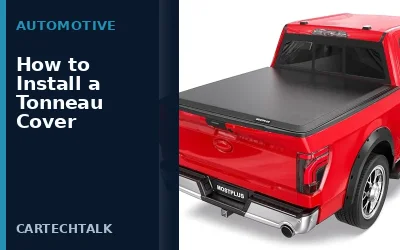
Soft tonneau covers are popular for their versatility. Brands like Retrax, BakFlip, and Leer produce models that roll up into a compact canister at the front of the bed. These covers can often be left open while driving, allowing easy loading and unloading.
They are made from durable fabrics or vinyl that withstand various weather conditions. When open, they provide ventilation and reduce wind resistance compared to a fully closed hard cover in some scenarios, but they still create some drag.
Compatibility is key. For example, on a Ford F-150 from 2015 to 2023, many soft covers are rated for open driving up to certain speeds. However, always consult the specific product documentation because different models may have varying limits based on bed size and vehicle weight.
Hard Tonneau Covers
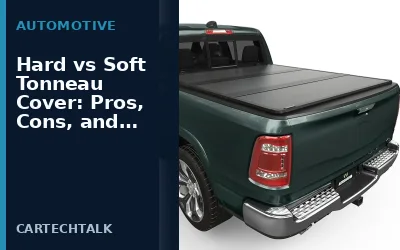
Hard tonneau covers consist of panels that form a solid roof over the bed. They are typically constructed from aluminum or fiberglass and provide superior protection against elements and break-ins.
These covers are engineered to be closed during normal operation. Driving with a hard cover open is not advised because the structure can become unstable at speed, leading to banging noises, reduced fuel efficiency, and potential safety hazards if the cover shifts.
Some advanced hard covers have mechanisms to secure them in an open position, but even then, manufacturers usually advise against it for daily driving. This is especially true for trucks with longer beds where wind forces are greater.
Can You Drive With A Soft Tonneau Cover Open?
Yes, many soft tonneau covers are designed to be driven with them open. This feature allows for quick access to the bed without having to fully remove the cover. It’s particularly useful for frequent loading and unloading tasks.
However, there are important considerations. The open cover can increase aerodynamic drag, which may slightly reduce fuel economy and increase wind noise. At higher speeds, this effect becomes more noticeable.
Recommended practices include driving at lower speeds, securing all cargo properly, and ensuring the cover is locked in the open position if applicable. For vehicles like the Chevrolet Silverado 1500, soft covers from reputable brands often support this use case within manufacturer limits.
Uncertainty in compatibility: If your truck has aftermarket modifications or a specific bed configuration, results may vary. Always check for any warnings in the owner’s manual regarding tonneau covers.
Can You Drive With A Hard Tonneau Cover Open?
Generally, no, you should not drive with a hard tonneau cover open. Hard covers are built for a closed position to maintain structural integrity and optimal aerodynamics.
Reasons include:
- Potential for the cover to flap or vibrate at speed, causing damage.
- Increased risk of cargo shifting or being affected by wind.
- Reduced fuel efficiency and higher noise levels.
- Legal and insurance implications in some areas.
Exceptions are rare and usually involve covers with specific open-driving features, but even then, it’s not standard. For trucks like the Ram 1500, hard covers from manufacturers such as Undercover or BAK Industries typically recommend keeping them closed.
Factors Affecting Your Decision
Several elements influence whether you can safely drive with a tonneau cover open:
- Vehicle Model and Year: Different years have varying bed designs and weight distributions. For instance, newer models may have updated guidelines.
- Truck Bed Length: Longer beds experience more wind resistance when the cover is open.
- Speed: Stick to speeds below 50 mph for safety, even if the cover allows it.
- Weather Conditions: High winds or rain can make open driving unsafe.
- Cargo Securement: All items in the bed must be tied down securely.
These factors highlight the importance of not assuming universal compatibility. For example, a tonneau cover on a Toyota Tacoma may behave differently than on a heavy-duty Ford Super Duty due to differences in suspension and aerodynamics.
Safety Considerations
Safety should always come first when considering driving with a tonneau cover open. An open cover can lead to objects flying out of the bed if not secured, posing risks to other drivers and pedestrians.
Additional safety tips include:
- Ensure the cover is properly latched in the open position.
- Reduce speed to minimize wind effects.
- Check mirrors frequently for any shifting cargo.
- Be aware of crosswinds, especially in open areas.
Never drive with an unsecured or damaged cover. If the cover feels loose, stop and secure it immediately.
Legal Aspects of Driving With Tonneau Covers Open
Legality varies by location. In many US states, there are no specific laws requiring a tonneau cover to be closed, but some municipalities or construction zones may have rules mandating it for safety.
It’s important to check local regulations. In some areas, driving with any cover open might be considered unsafe and could lead to tickets. Insurance policies may also have clauses regarding modifications or accessories that affect vehicle performance.
Always prioritize legal compliance to avoid penalties. If in doubt, consult local authorities or your vehicle’s owner manual for any relevant information.
Common Mistakes to Avoid
Many truck owners make errors when deciding to drive with a tonneau cover open:
- Ignoring Manufacturer Instructions: Assuming it’s okay without checking the manual can lead to damage.
- Driving at Excessive Speeds: Even soft covers have limits; exceeding them risks failure.
- Not Securing Cargo: Open beds with unsecured loads are dangerous.
- Confusing Cover Types: Thinking a hard cover can be treated like a soft one.
- Overlooking Weather: Ignoring high winds or storms.
Avoiding these mistakes ensures a safer and more enjoyable driving experience.
When to Seek Professional Help
If you’re unsure about the compatibility of your tonneau cover with open driving on your specific truck, it’s best to reach out to the manufacturer or a certified technician. They can provide detailed guidance based on your vehicle details.
Professional help is also recommended if your truck has been modified, as aftermarket changes can affect how the cover performs. For complex issues like unusual noises or vibrations, a mechanic can diagnose and advise on safe practices.
Don’t hesitate to get expert input before experimenting with open cover driving, especially on high-performance or modified vehicles.
Soft vs Hard Tonneau Covers for Open Driving
| Cover Type | Can Drive Open? | Recommended Speed | Pros | Cons |
|---|---|---|---|---|
| Soft | Yes | Up to 65 mph | Easy access, ventilation | Some drag, noise |
| Hard | No | N/A | Secure, weatherproof | Not for open use |
FAQ
Can I drive with a tonneau cover open on my Ford F-150?
It depends on the cover type. Soft covers often allow it, but hard covers do not. Check the specific cover’s documentation.
What are the risks of driving with a tonneau cover open?
Risks include increased drag, noise, potential cover damage, and unsecured cargo flying out.
Is it legal to drive with a tonneau cover open?
Legality varies by state and local laws. Most places allow it if properly secured, but always verify.
How do I secure my truck bed when using an open tonneau cover?
Use heavy-duty tie-downs, ratchet straps, or cargo nets to secure all items in the bed.
Can hard tonneau covers be driven open?
Generally no, as they are not designed for it and may cause damage or safety issues.