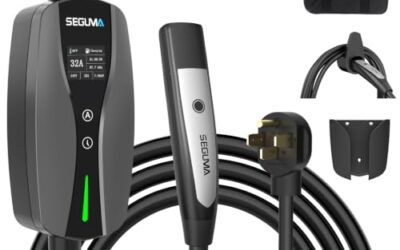
Level 1 EV charging is a basic form of electric vehicle charging that utilizes a standard 120-volt household outlet. It provides a slow but steady power supply, making it suitable for overnight charging or situations where you need to maintain battery levels without immediate full charges.
Key Takeaways
- Level 1 EV charging uses a standard 120-volt household outlet.
- It provides power at a low rate suitable for convenience charging.
- Full charges can take many hours depending on battery capacity.
- No installation or modifications to your home electrical system are required.
- Compatible with most vehicles that include an onboard charger.
- Perfect for apartments, condos, or homes without 240-volt circuits.
What Is Level 1 EV Charging?
Level 1 EV charging refers to the process of charging an electric vehicle by connecting it to a regular household electrical outlet using a portable charger. This method is often called trickle charging because it replenishes the battery at a very gradual pace. It serves as the entry-level option for EV owners who want to keep their vehicle ready without investing in more advanced charging infrastructure.
The simplicity of Level 1 charging makes it accessible to a wide range of users. You can begin charging immediately upon plugging in, without waiting for specialized equipment to be installed. This approach is particularly valuable for vehicles driven only short distances each day or for owners who prefer a low-commitment charging solution.
How Does Level 1 EV Charging Work?
When you connect your electric vehicle to a Level 1 charger, the portable cable plugs into the vehicle’s charging port and a standard 120-volt outlet. The onboard charger, a standard component in nearly all modern electric vehicles, converts the alternating current from the outlet into direct current that the battery can accept. This conversion occurs at a low power level, ensuring the process remains gentle and controlled.
The charging rate depends on the vehicle’s onboard charger capacity and the power available from the outlet. As the battery approaches full capacity, the rate naturally decreases. Many vehicles include a Level 1 charging cable with a J1772 connector, the standard for most North American electric vehicles. Tesla vehicles can also use Level 1 charging with a compatible adapter. The process continues until the vehicle reaches a full charge or you disconnect the cable.
Level 1 charging integrates seamlessly with vehicle systems. The onboard charger manages the flow to prevent overcharging, and most vehicles have built-in timers or charge controllers to optimize the process. This method works well for maintaining battery health through regular but shallow charges.
Where Can You Use Level 1 EV Charging?
Level 1 charging can be performed anywhere with access to a standard 120-volt outlet. At home, it is commonly used overnight to prepare the vehicle for the following day. In apartments or condos that lack 240-volt outlets, it often becomes the primary or only charging option available.
Workplaces, parking garages, and public areas equipped with standard outlets also support Level 1 charging. It proves especially useful during road trips or when you need a quick top-up during the day away from home. Compatibility depends on the vehicle model year and manufacturer. Most vehicles produced since the early 2010s include Level 1 charging capability as standard equipment. Older models may require aftermarket solutions or might not support it due to differences in onboard charger design.
Limitations and Considerations for Level 1 EV Charging
Level 1 charging, while convenient, has several practical limitations. The slow charging speed means that achieving a full charge can take an extended period, often spanning multiple days for larger battery packs. This extended timeline can be challenging if your vehicle needs to be ready for a long-distance drive.
Prolonged use of Level 1 charging may not suit every battery type, as some lithium-ion batteries perform best with more frequent but shallower charges. Additionally, frequent Level 1 charging can increase overall energy consumption compared to faster methods, potentially affecting electricity costs over time. Always verify that the outlet you choose is on a dedicated circuit to prevent overloading the home electrical system.
Temperature also plays a role in charging performance. Extreme cold or heat can affect the charging rate and battery health. Consult your vehicle’s manual for guidance on optimal charging conditions and maximum recommended charge durations.
Common Mistakes When Using Level 1 EV Charging
A frequent error is believing Level 1 charging is limited to certain vehicle brands or models. In fact, it works with the majority of electric vehicles that feature an onboard charger. Another common mistake involves using damaged or worn charging cables. Inspect the cable regularly for fraying or damage, and replace it promptly if any issues are found to maintain safety.
Some owners assume Level 1 charging generates significant heat, but its low power output actually produces minimal heat, which can be beneficial in warm climates. Neglecting to monitor the charging progress can also lead to the vehicle remaining plugged in longer than necessary. Most vehicles include safeguards against overcharging, but staying aware of the process helps avoid potential issues.
When to Get Professional Help
If your vehicle fails to charge using Level 1, begin by testing the outlet with a voltage tester to confirm it is providing power. Check that the circuit breaker has not tripped and that the outlet itself is functioning correctly. Examine the charging cable for any signs of wear or damage that could prevent proper connection.
Persistent charging problems may require consulting the vehicle’s owner’s manual for troubleshooting steps or contacting the manufacturer for guidance. In rare cases, a diagnostic scan might reveal an issue with the onboard charger or charging system. Seek professional assistance if you detect an electrical problem in your home or if the vehicle displays error codes related to the charging process.
Comparison of EV Charging Levels
| Charging Level | Voltage | Power Output | Typical Charge Time | Installation Required |
|---|---|---|---|---|
| Level 1 | 120V | Low rate | Many hours to days | None |
| Level 2 | 240V | Moderate to high | Hours | 240V circuit |
| DC Fast Charging | High | Variable | Minutes to hours | Charging station |
Charge times vary based on battery capacity and efficiency. Refer to your vehicle’s specifications for precise details.
FAQ
What is the main difference between Level 1 and Level 2 EV charging?
Level 1 charging uses a standard 120-volt outlet and charges slowly, while Level 2 charging uses 240 volts and provides much faster results. Level 2 is generally preferred for daily home charging.
Is Level 1 EV charging safe for all vehicles?
Level 1 charging is safe for most electric vehicles equipped with an onboard charger. Always use a compatible cable and follow the manufacturer’s guidelines.
Can I use Level 1 charging on a Tesla vehicle?
Tesla vehicles can use Level 1 charging with the appropriate adapter. However, Tesla recommends Level 2 charging for optimal performance and speed.
How long does it take to charge an EV with Level 1?
Charging time depends on battery size. For typical batteries, it can take many hours to several days to reach a full charge.
Do I need special equipment for Level 1 charging?
Most vehicles come with a Level 1 charging cable. If not included, purchase a portable charger with the correct connector for your vehicle model.