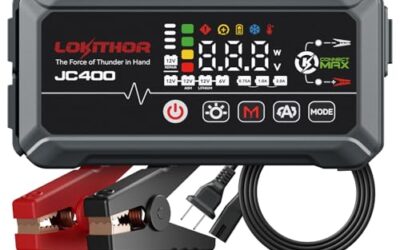
Portable Jump Starter Safety Tips
Portable jump starters offer a convenient solution for restarting vehicles with dead batteries. However, safety must always come first to prevent injuries and equipment failure. This guide provides comprehensive safety tips for using portable jump starters effectively and responsibly.
Key takeaways:
- Always read the manufacturer’s instructions before use.
- Wear safety glasses and gloves to protect against sparks and acid.
- Ensure proper voltage compatibility with your vehicle.
- Never use in enclosed spaces without ventilation.
- Inspect the device regularly for damage.
What Are Portable Jump Starters?
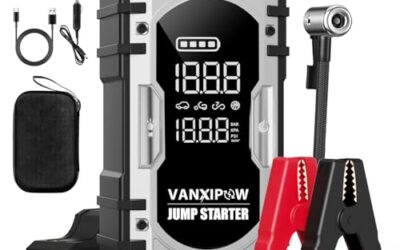
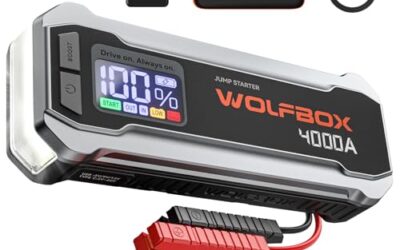
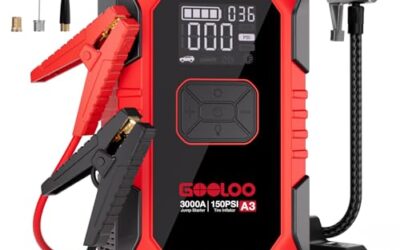
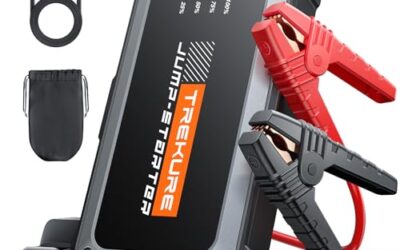
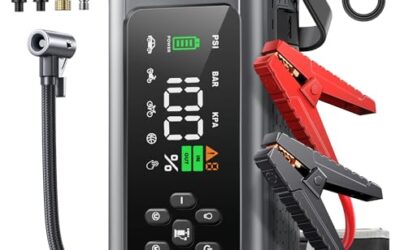
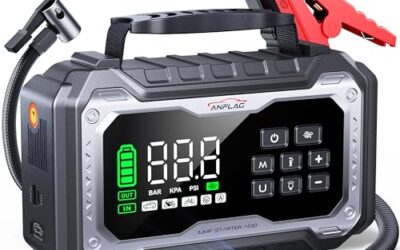
Portable jump starters are compact, battery-powered devices designed to provide an emergency electrical boost to start a vehicle with a dead or weak battery. Unlike traditional jump starters that require another vehicle, these units are self-contained and portable, making them ideal for roadside assistance or home use.
They typically use either capacitor technology or rechargeable lithium-ion batteries to deliver a high burst of current. This allows them to crank the engine quickly without the need for a donor vehicle. Portable jump starters are commonly used for cars, trucks, motorcycles, boats, and other vehicles with 12-volt or 24-volt systems.
They apply to situations where the battery is completely dead or has low charge due to leaving lights on, extreme cold, or age. Limitations include their finite capacity, which may require multiple uses for very low batteries, and the need for proper connection to avoid damage to the vehicle’s electrical system.
A common misconception is that portable jump starters can be used interchangeably with regular jump cables. While both provide a boost, jump starters are safer as they eliminate the risk of sparks from loose cables and are easier to use in tight spaces.
Why Safety Is Critical When Using Portable Jump Starters
Improper use of portable jump starters can lead to serious accidents, including explosions from hydrogen gas buildup or acid burns from battery acid. Always prioritize safety to protect yourself, your vehicle, and others nearby.
Pre-Use Safety Checklist
- Review the user manual for specific instructions.
- Inspect the jump starter for any visible damage, cracks, or corrosion.
- Check the charge level and ensure it is fully charged if possible.
- Confirm the voltage rating matches your vehicle’s battery (usually 12V for passenger cars).
- Ensure the area is well-ventilated and free of flammable materials.
- Have a fire extinguisher nearby.
- Wear protective eyewear and gloves.
Step-by-Step Guide to Safe Jump Starting
- Prepare the vehicle: Park in a safe, open area away from traffic. Turn off all accessories, lights, and the engine.
- Inspect connections: Ensure the jump starter’s terminals are clean and free of corrosion.
- Connect the positive terminal first: Attach the red cable to the positive (+) terminal of the dead battery. This is crucial to avoid sparks if polarity is reversed.
- Connect the negative terminal: Attach the black cable to the negative (-) terminal or a clean metal part of the engine block, away from the battery.
- Start the vehicle: Turn on the vehicle’s ignition and attempt to start. Do not rev the engine excessively.
- Disconnect in reverse order: Remove the negative first, then the positive, to prevent sparks.
These steps should be followed precisely to minimize risks. Always refer to your vehicle’s manual for specific connection points.
Understanding Voltage Compatibility and Limits
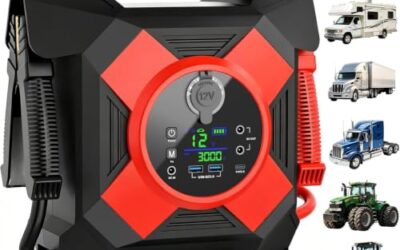
Portable jump starters come in various voltages, primarily 12V for standard vehicles and 24V for heavy-duty trucks or RVs. Using a 12V unit on a 24V system can damage the device or vehicle. Similarly, ensure the jump starter’s output matches the vehicle’s requirements.
For lithium-ion models, they are generally compatible with most 12V systems but may have lower power for larger engines. Check the device’s specifications for maximum amperage and runtime.
Common Mistakes to Avoid
One frequent error is ignoring polarity, which can cause sparks and potential fire. Another is using the jump starter in an enclosed garage without ensuring ventilation, as it can produce hydrogen gas.
Overlooking the need to check battery connections can lead to poor contact and failed starts. Additionally, not allowing the vehicle to run for a few minutes after starting before shutting off accessories can drain the jump starter faster than necessary.
Using the device beyond its rated cycles or not recharging it properly after use can reduce its lifespan. Always store it in a cool, dry place.
When to Seek Professional Help
If you are unsure about the procedure or if the vehicle does not start after several attempts, contact a professional mechanic or roadside assistance. Persistent issues may indicate a faulty battery or alternator that requires replacement rather than repeated jumping.
If you notice any unusual odors, smoke, or if the jump starter gets hot, discontinue use immediately and have it inspected by a qualified technician.
FAQ
What is a portable jump starter?
A portable jump starter is a self-contained device that provides a quick electrical boost to start a vehicle with a dead battery using its own power source.
How do portable jump starters differ from traditional jump starters?
Portable jump starters are standalone units that do not require another vehicle, making them more convenient for solo use, whereas traditional jump starters need a donor vehicle.
What safety precautions should I take?
Always wear protective gear, ensure proper connections, and use in well-ventilated areas. Follow the manufacturer’s guidelines.
Can I use a portable jump starter on any vehicle?
No, compatibility depends on voltage, battery type, and engine size. Always check the specifications.
How long does a portable jump starter last?
Life varies by model, but typically 500-1000 cycles with proper care. Recharge after each use.