Your jump starter is beeping because it has detected a problem with the battery or its own systems. This is a safety feature to alert you to potential issues that could cause damage or unsafe use. By understanding the reasons, you can troubleshoot the problem effectively and get your vehicle started again.
Jump starters are portable devices that provide a quick boost of power to start vehicles with dead batteries. However, they are not foolproof and can beep for several reasons. This article will cover the most common causes, how to diagnose them, and steps to fix the issue. We will also discuss compatibility and safety considerations.
Key Takeaways
- Beeping is usually a sign of low battery or a fault in the unit.
- Always check connections and voltage levels.
- Allow the unit to cool down if it overheats.
- Reset the device after any troubleshooting.
- Verify that the jump starter is compatible with your vehicle’s voltage.
Understanding the Beeping Feature
Most jump starters come with built-in beepers that activate under certain conditions. These beeps can be single tones, continuous sounds, or accompanied by flashing lights. The purpose is to notify the user of an issue without needing to look at a display. Understanding what each beep pattern means is crucial for quick diagnosis.
For example, a short beep might indicate a low battery warning, while a longer or repeated beep could signal a more serious problem like overheating or a short circuit. Manufacturers design these features to prevent accidents and protect the equipment. However, the exact meaning can vary slightly between models, so it is important to consult your specific model’s manual if available.
Common Reasons for Jump Starter Beeping
Low Battery
The most frequent cause of beeping is a low battery in the jump starter itself. Jump starters have a minimum operating voltage, typically around 10-12 volts for 12V models. When the internal battery drops below this threshold, the unit beeps to warn you that it may not be able to provide enough power to start your vehicle.
This can happen if the unit has been used recently or if it has been sitting for a long time without maintenance. Over time, even high-quality batteries can lose capacity. If your jump starter beeps frequently, it might be time to have it tested or replaced. Remember that this is different from your vehicle’s battery; the jump starter’s battery needs its own care.
Overheating
Jump starters can overheat if used too frequently or in hot environments. When the internal components get too hot, the unit beeps as a safety precaution to shut down operations temporarily. This prevents damage to the circuitry and reduces the risk of fire or explosion.
Allow the unit to cool down for at least 30 minutes before trying to use it again. Using it while hot can lead to more beeping or complete failure. In extreme cases, if it keeps overheating, there might be an internal fault that requires professional repair.
Poor Connections or Loose Clamps
Loose or corroded clamps are a common culprit. Even if the battery is fine, poor contact can cause the jump starter to beep or not work properly. The unit may detect insufficient current flow and alert you with a beep.
Always ensure clamps are clean and securely attached. Clean them with a wire brush if needed, and apply dielectric grease to prevent future corrosion. This is especially important in humid or coastal areas where corrosion happens faster.
Needs Reset
Many jump starters have a reset function to clear temporary faults. If the unit beeps after a short circuit or overload, it may need to be reset. This is usually done by holding a button for a few seconds until the beep stops.
After resetting, test the unit on a different vehicle to see if the issue persists. If it does, there could be an underlying problem with the battery or the unit itself.
Charging Issues
If your jump starter beeps while charging, it might indicate that the charging process is not going as expected. This could be due to a faulty charger, incorrect voltage, or a problem with the battery being charged.
Make sure you are using the correct charger and that the connections are tight. Some units have specific charging modes that beep to indicate status. If the beep continues during charging, unplug and check for damage.
Vehicle Compatibility
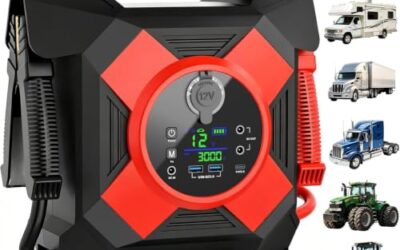
Using a jump starter on the wrong voltage can cause issues. Most car jump starters are 12V, but trucks and some RVs may require 24V. Using the wrong one can trigger beeps and safety features.
Always check the specifications. For example, a 12V unit on a 24V system will not work and may beep continuously as a warning. Compatibility also depends on the connector type, like SAE or alligator clips.
Troubleshooting Checklist
Follow this checklist to diagnose the beeping issue:
- Safety first: Wear eye protection and work in a well-ventilated area.
- Inspect all connections for looseness or corrosion.
- Check if the unit is overheating by touching it.
- Look for any error codes or flashing lights.
- Attempt a reset if your model has one.
- Test the unit on a known good battery.
- Verify voltage compatibility with your vehicle.
Decision Tree for Diagnosis
Use this simple decision tree to narrow down the cause:
- Does it beep when not in use? -> Low battery or needs reset.
- Does it beep when trying to start the vehicle? -> Check vehicle battery or connections.
- Does it beep after cooling down? -> Possible fault or wrong voltage.
- Does it beep during charging? -> Charging problem or faulty unit.
Common Mistakes to Avoid
One common mistake is ignoring the beeps, thinking they will go away. This can lead to using an underpowered unit and damaging your vehicle’s electrical system.
Another mistake is using the jump starter on the wrong vehicle without checking voltage. This can cause the unit to beep and potentially fail prematurely.
People also often forget to clean connections, leading to repeated issues. Additionally, not allowing the unit to cool down can cause overheating beeps.
Finally, skipping the reset step after a fault can lead to persistent beeping. Always follow the manufacturer’s instructions for resetting.
When to Get Professional Help
If the beeping continues even after resetting and checking connections, it may indicate a faulty internal component. In this case, contact the manufacturer for warranty service or take it to a professional repair shop.
If you notice any physical damage to the unit, such as cracks or burns, do not use it. Have it inspected by a qualified technician to ensure safety.
Professional help is also recommended if you are unsure about the voltage compatibility or if the unit is under warranty. Manufacturers often provide detailed diagnostics that can pinpoint the exact issue.
FAQ
How long should I wait before the jump starter stops beeping after a reset?
After resetting, wait a few minutes to see if the beeping stops. If it persists, there may be an underlying issue that requires further investigation.
Can I use my jump starter on any vehicle?
No, you must ensure compatibility with the vehicle’s voltage and connector type. Using it on the wrong voltage can cause beeping and safety shutdowns.
What does a continuous beep mean?
A continuous beep usually indicates a serious fault, such as a short circuit or overheating. Stop using the unit immediately and seek professional help.
How do I clean my jump starter clamps?
Use a wire brush to remove corrosion, then apply dielectric grease. This prevents future connection issues that could cause beeping.
Is it normal for the jump starter to beep when starting my car?
If the vehicle’s battery is very low, the jump starter may beep to indicate it is providing power. This is normal and should stop once the vehicle starts.