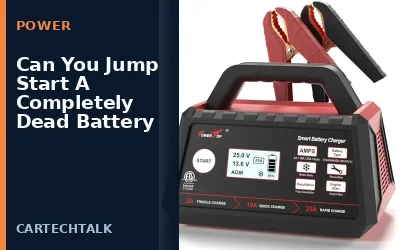

Can You Use A Jump Starter In The Rain
Yes, you can use a jump starter in the rain, but it depends on the model’s weather rating and proper precautions. Always prioritize safety to avoid damage or electrical hazards.
Understanding the limitations and best practices will help you use your jump starter effectively even in wet weather.
Key Takeaways
- Most portable jump starters are splash-proof but not fully submersible.
- Direct water spray can damage the unit and pose electrical risks.
- Always check the IP rating before using in rain.
- Wipe down the unit after use to remove moisture.
- Store the jump starter in a dry location when not in use.
What Are Jump Starters?
A jump starter is a portable device that provides a quick boost of electricity to start a vehicle with a dead battery. These tools are essential for roadside assistance, especially when you can’t get to a charging station or mechanic immediately.
While jump starters are popular for their ease of use, many owners wonder about their performance in adverse weather like rain. The answer is generally yes, but with caveats.
Weather Resistance of Jump Starters
The ability of a jump starter to handle rain depends on its Ingress Protection (IP) rating. An IP65 rating means the device can resist dust and water jets from any direction, making it suitable for light rain. An IPX4 rating allows it to handle splashes from any angle but not heavy rain or submersion.
For vehicles in rainy climates, dead batteries can occur due to various reasons, including cold temperatures reducing battery efficiency or electrical systems drawing power when the car is off. A jump starter can be a lifesaver in these situations, but using it in the rain requires care.
Can You Use A Jump Starter In The Rain?
Yes, you can use a jump starter in the rain, but only if the model is rated for it and you take precautions. Avoid using it if it is not weather-resistant or if you are in heavy downpour conditions. The goal is to minimize the risk of water entering the electrical components.
Safety Considerations When Using In Rain
Using any electrical device in the rain can be dangerous if not handled properly. Ensure that you are not standing in water or on a wet surface while connecting the jump starter. Wet conditions can increase the chance of short circuits or electric shock.
Additionally, never leave the jump starter connected to the vehicle during heavy rain, as water could enter the connections. Always disconnect the cables as soon as the vehicle starts.
Best Practices for Rainy Conditions
- Inspect the IP rating of your jump starter before use.
- Keep the jump starter dry and clean.
- Position the vehicle to avoid direct water spray on the device.
- Use the jump starter only in light rain or drizzle.
- After use, disconnect the cables and wipe the terminals dry.
- Store the unit in a cool, dry place.
Common Mistakes to Avoid
- Assuming all jump starters are waterproof.
- Ignoring the manufacturer’s instructions regarding weather exposure.
- Storing a wet jump starter.
When to Get Professional Help
If your jump starter has been exposed to water and is not functioning correctly, it may be damaged. In such cases, contact the manufacturer or a professional for repair or replacement. Do not attempt to use a damaged unit, as it could lead to further issues or safety hazards.
Maintenance Tips
Regular maintenance is key to ensuring your jump starter performs well in various conditions, including rain. Check the battery charge level periodically. Clean the exterior to remove dirt and moisture.
For lithium-ion models, avoid extreme temperatures, as cold can affect performance. Keep the unit away from direct sunlight to prevent overheating.
Types of Jump Starters and Rain Use
Portable jump starters are generally more susceptible to weather damage because they are designed for mobility. Onboard jump starters, which are installed in the vehicle, are usually more protected but still require caution in extreme weather.
Lead-acid jump starters may have different sealing compared to lithium models. Lithium-ion batteries tend to be more resistant to moisture due to better encapsulation.
Compatibility Considerations
When using a jump starter in any weather, ensure compatibility with your vehicle’s battery voltage, typically 12 volts. Some newer vehicles may have different systems, so verify the specifications.
In rainy areas, consider the impact of cold on battery performance. A jump starter can help in cold weather too, but its effectiveness may be reduced in freezing temperatures.
Environmental Benefits
Using a jump starter instead of calling for a tow truck can be more environmentally friendly, especially in wet conditions where roads might be slippery or dangerous.
Legal Aspects
There are no specific regulations prohibiting the use of jump starters in the rain in most areas. However, safety should always be the priority. Follow local traffic laws and avoid obstructing traffic while using the device.
Troubleshooting Issues in Wet Conditions
If your jump starter does not start after being used in the rain, first ensure it is completely dry. Check the connections for any signs of corrosion. If the problem persists, it may indicate internal damage, and professional inspection is necessary.
FAQ
How do I determine if my jump starter is suitable for rain use?
Check the IP rating on the product specifications. Look for ratings like IP65 or IPX4 for rain exposure.
What should I do if my jump starter gets wet during use?
Turn off the unit immediately, disconnect the cables, and allow it to dry completely in a well-ventilated area. Avoid using it until it is fully dry.
Can jump starters be used in snow or extreme cold?
Yes, but cold temperatures can reduce the effectiveness of the battery. Lithium-ion models are better suited for cold weather. Warm the unit if possible before use.
Are there differences in how portable and onboard jump starters handle rain?
Portable jump starters are more portable but may have less robust protection. Onboard systems are integrated and often better sealed but still need to be protected from direct water.
How can I extend the life of my jump starter in wet climates?
Regularly inspect and clean the unit, store it in a dry place, and avoid exposing it to direct water spray. Follow the manufacturer’s maintenance schedule.
Jump starters have become an essential tool for many vehicle owners. They provide a quick solution to a common problem. However, when considering their use in various conditions, including rain, it is important to understand the limitations and best practices.
The design of jump starters has evolved over the years. Early models were basic and not very weather resistant. Modern ones are more advanced and often come with better protection.
When using in rain, the main risk is water ingress. This can lead to short circuits, corrosion, or complete failure of the device. Therefore, it is crucial to select a model with adequate IP rating.
For example, a jump starter with IP65 rating can handle rain but should not be submerged in water. Always refer to the manual for exact instructions.
In terms of safety, it is important to maintain a safe distance and ensure the area is dry. Do not use the jump starter if you feel any moisture on the surface.
After use, it is recommended to dry the unit thoroughly. Use a soft cloth to wipe away any water. Check all connections for any signs of damage or corrosion.
For storage, always keep the jump starter in a dry and cool environment. Avoid leaving it in a car during rainy weather as it can get damp inside.
Maintenance involves regular checks. Test the jump starter periodically to ensure it is in good condition. This is especially important if you live in a rainy area.
Some users may wonder about using it in snow. While snow is similar to rain in terms of moisture, cold can affect performance. In freezing temperatures, the battery inside may not provide as much power.
To mitigate this, keep the jump starter in a warm place before use. Lithium ion batteries are more tolerant of cold than traditional ones.
In conclusion, with proper care, you can use a jump starter in the rain safely. Always follow the guidelines provided by the manufacturer and prioritize safety.